









Sofia Araujo and Marta Ortega have reached the semifinals of the Paris Major 2026. The fifth seed defeated Bea González and Claudia Jensen, the second seeds, in a thrilling quarterfinal: 2-6, 7-6, 7-6. After a difficult first set and saving several match points, the Spaniard and the Portuguese found the strength to turn around a match that seemed to be slipping away from them. In their post-match press conference, they emphasized one key element: mental strength.
"We knew how to suffer"
This victory definitely had a special flavor. Marta Ortega and Sofia Araujo were coming off a defeat against the same pair in the previous tournament in Madrid, in conditions which they did not like.
Rather than forgetting this failure, they chose to use it.
"We were coming off a difficult tournament because we lost to them in a way we didn't like. But it helped us change some things."
At Roland-Garros, the scenario could have plunged them back into their difficulties. After losing the first set, they had to adapt to the situation. 6/2 Ortega/Araujo were put under pressure in the next two sets.
But this time, they never gave up.
“We fought until the very end, even when things were very difficult. We were down a break, then behind again in the tie-break. We had several match points against us. The important thing to remember is that we knew how to suffer and, in the end, we were rewarded.”
"We weren't even aware that we had saved so many match points."
One of the most striking aspects of this quarter-final remains precisely the ability of Ortega / Araujo to stay in their bubble when defeat was very close.
A carefully considered approach with their coach: Forget the score as much as possible to stay focused on the game plan .
“We weren’t aware that we had saved so many match points. We worked a lot on putting the score aside, focusing on tactics, and playing without thinking about nerves or pressure.”
After a first round largely dominated by their opponents, the watchword had become almost very simple: rediscovering pleasure .
“After a bad first set, we said to ourselves, ‘Come on, let’s enjoy this, let’s try something.’ I think today, the difference was made in the mental aspect.”
Can this mental strength be trained?
The question was inevitable after such a scenario. Is this ability to stay alive when all seems lost innate or can it be developed?
For Araujo, it's a bit of both.
"I think part of it is within you. We are both fighters. But these are also things that can be worked on."
The comparison with Madrid is quite revealing. During their previous encounter, the two players admitted to not having displayed the same attitude.
“Last week, things didn’t go as we wanted, but we also didn’t fight to the very end. Our attitude wasn’t good, and the result showed it.”
A few days later, the contrast is striking: A first set lost, several very compromised situations, and yet a qualification for the semi-finals. .
There's no question of thinking about the World Cup
With upcoming international competitions, such a performance can certainly be significant. However, both players insist they did not take to the track with the intention of sending a message ahead of the World Championships.
The first objective was much more immediate.
“We weren’t thinking about the World Championships at all when we stepped onto the track. Our primary goal was to perform better than last week. That was the first objective.”
Once this milestone was reached, the ambition naturally changed.
"Once we managed to play better, the goal was to win. We told ourselves: let's go all out because we can do it."
Araujo also emphasizes the importance of his partner in moments when his level of play was lower.
"During times when I wasn't feeling completely well, Sofi helped me a lot, and it's thanks to her that I was able to get better and better."
Ortega: "For me, the best partner is Sofi."
This complementarity was precisely at the heart of the last part of the exchange. Ortega and Araujo present two different playing profiles , whereas some pairs on the circuit may seem to be built more around similar qualities.
For Marta Ortega, however, there is no point in looking for a universal formula.
"For me, the best partner there is is Sofi. She's my partner, and the best team we can have is our own."
However, she acknowledges the evolution of women's padel towards increasingly well-rounded players.
"Today, padel requires a very well-rounded player: an excellent defender, an excellent attacker, and great mental stability."
But the differences are precisely what makes the circuit so rich.

Franck Binisti discovered padel at the Club des Pyramides in 2009 in the Paris region. Since then, padel has been part of his life. You often see him touring France to cover major French padel events.































































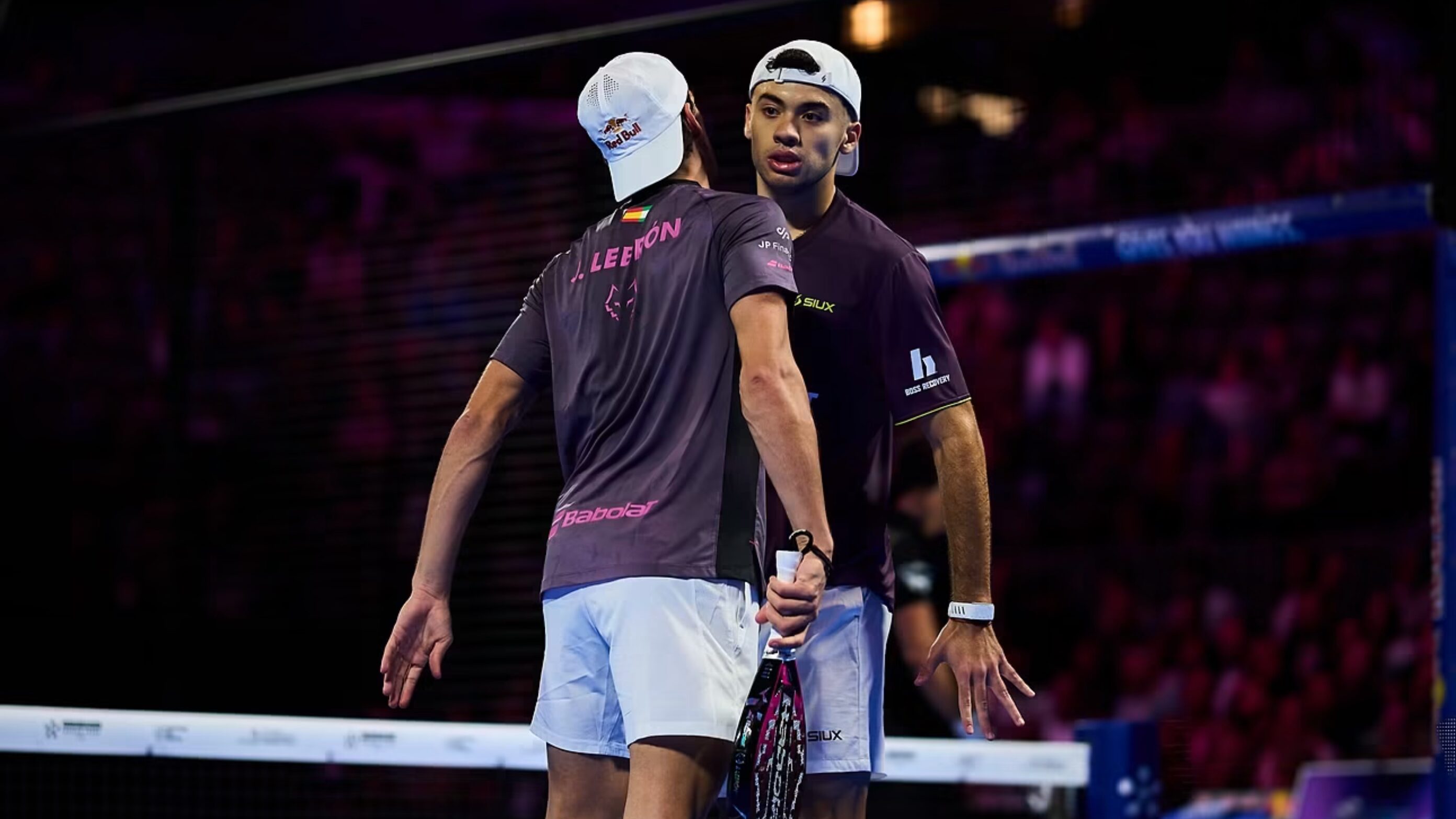 Düsseldorf P2 – Lebrón / Augsburger overthrow Jofre / Esbrí, Tapia / Coello expeditious, the first quarters known
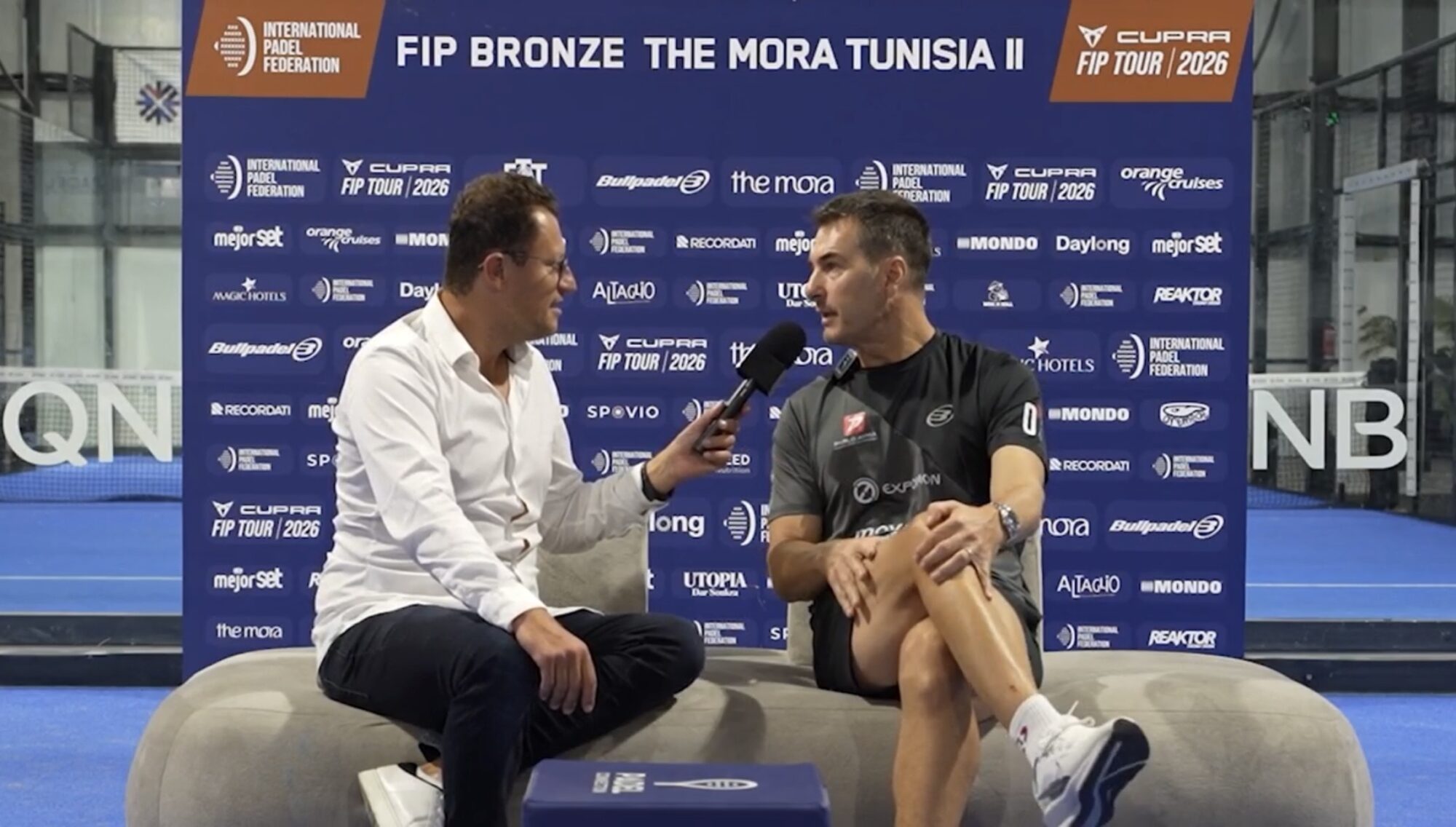 Pablo Ayma: "Without naturalized players, France could easily be third in the world."
 The giants of padel: who are the greatest players in the world's top 200?
 France or Portugal, Spain or Argentina: Miguel Lamperti ranks the best padel nations
 Cédric Lavoye: "Hard work pays off" and a first FIP tournament in Guadeloupe is in his sights
 Nicolas Rouanet is preparing his return in 2027: “With Bastien Blanqué, I would never say no”
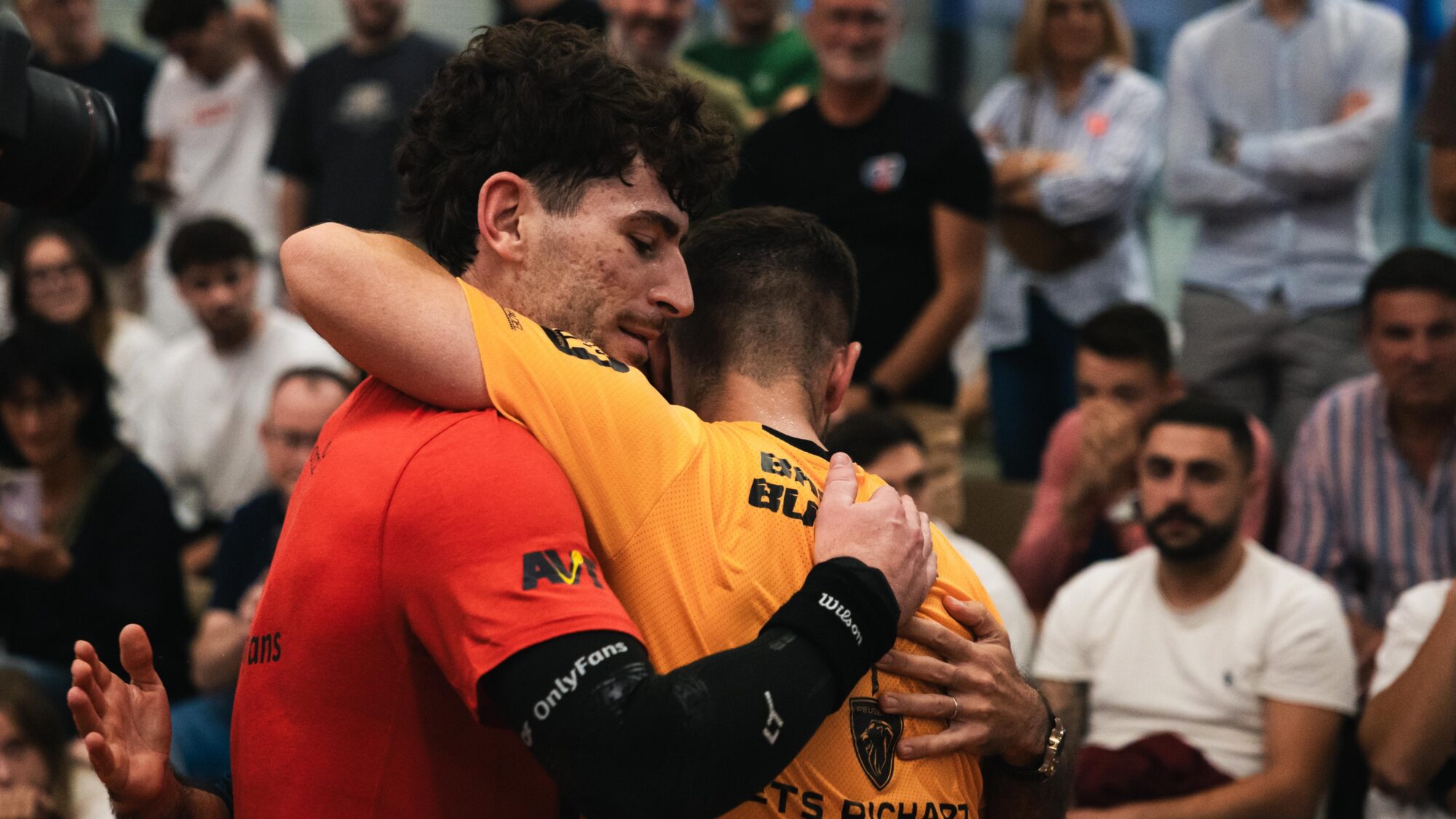 Leygue/Blanqué respond bluntly to the criticism: "You can say what you want... We're putting all our money and our lives into this."
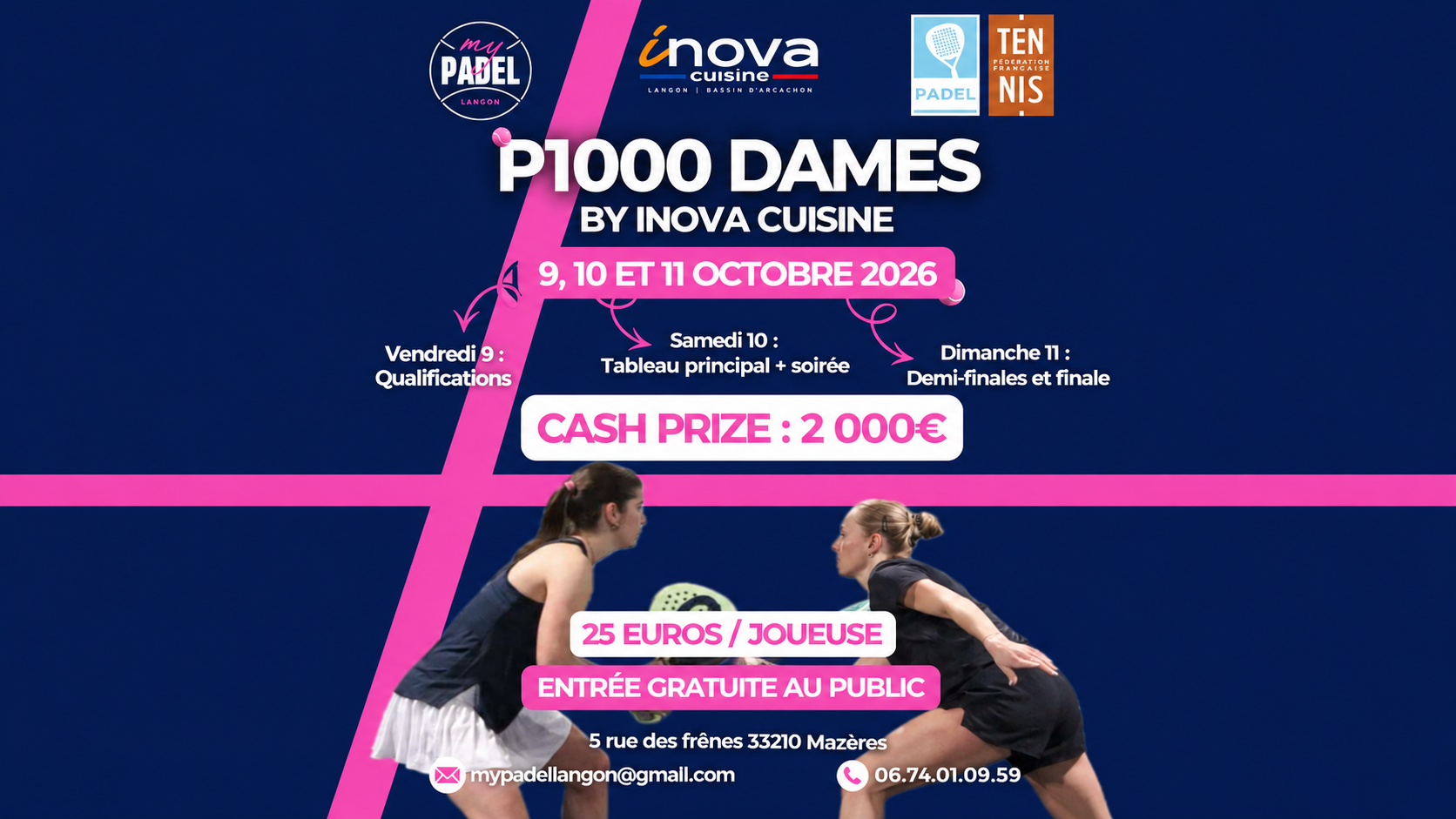 P1000 My Padel Langon – Majdoubi / Denecheau want to make up for lost time after the French Championships
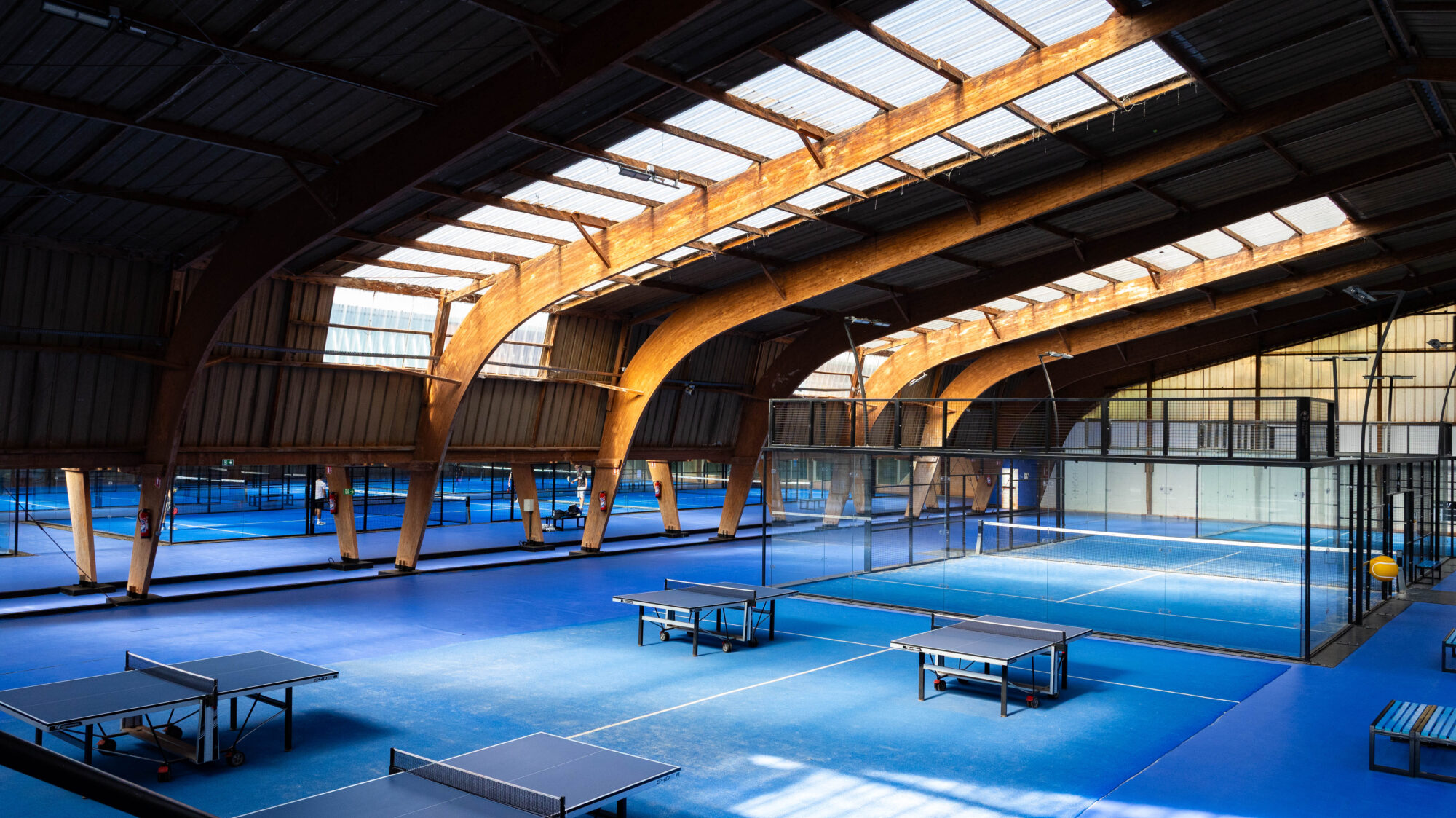 Forest Hill La Défense takes on a new dimension with 12 indoor padel courts
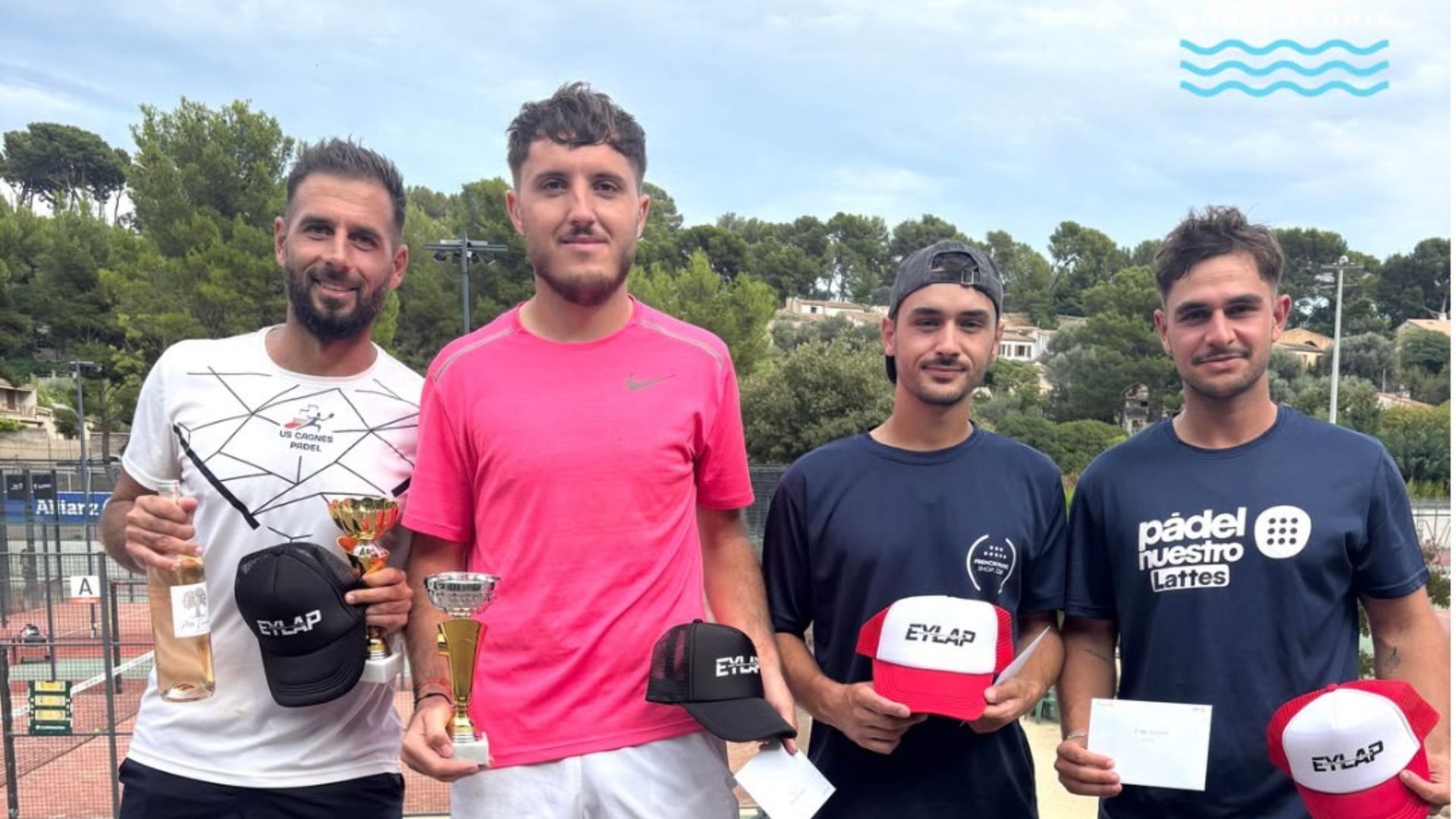 Armand and Charles overturn the hierarchy and acquire the P1000 from La Ciotat
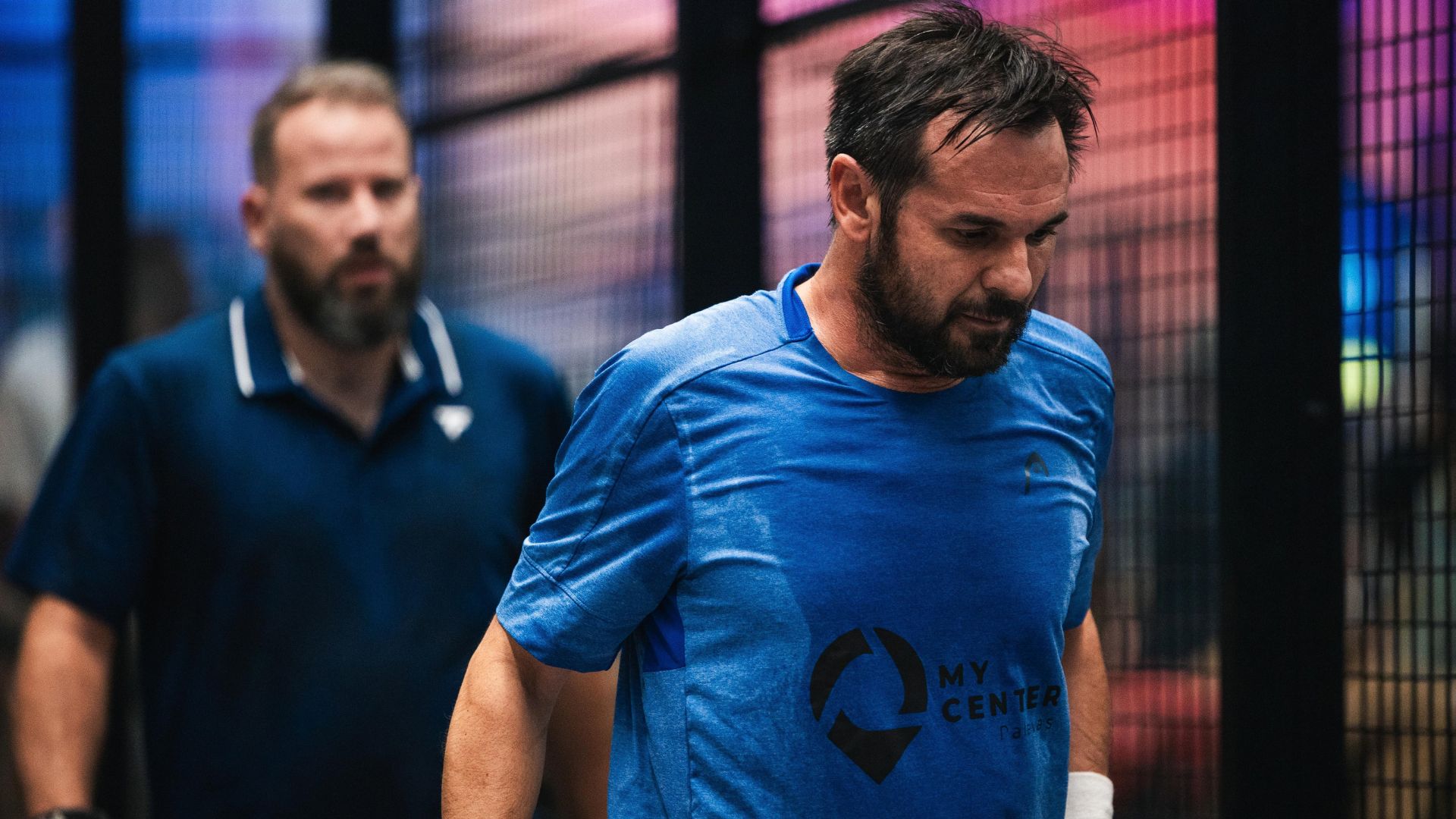 Tison/Maigret, an early elimination for a pair we would have liked to see more of in Agen
 Juan Tello, the notable Argentinian absentee: "I think I have the level to be there."
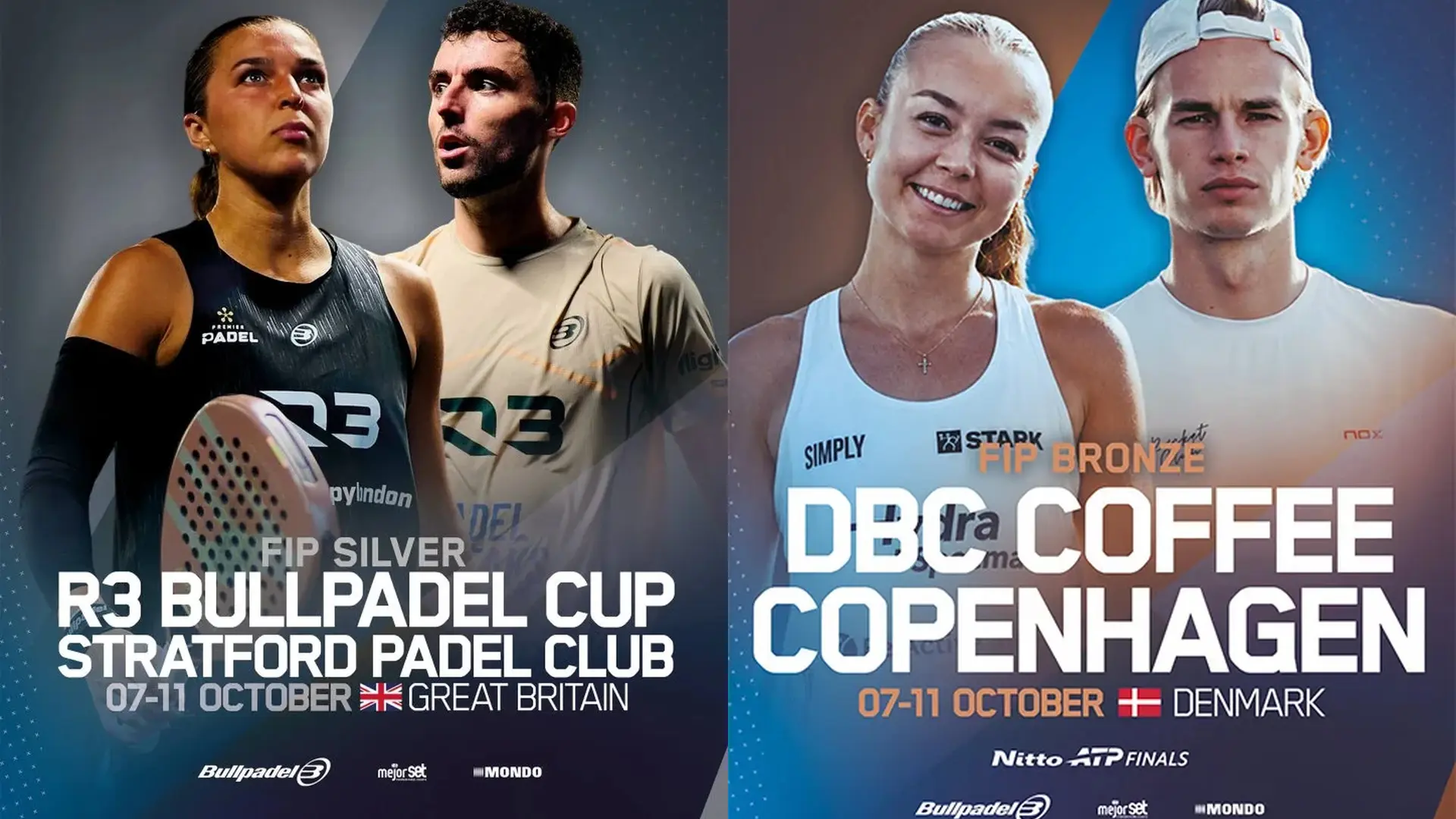 FIP Tour – Coulombeau/Dufour and Rubio/Sichez continue their journey in London, the French start their tournament in Poreč
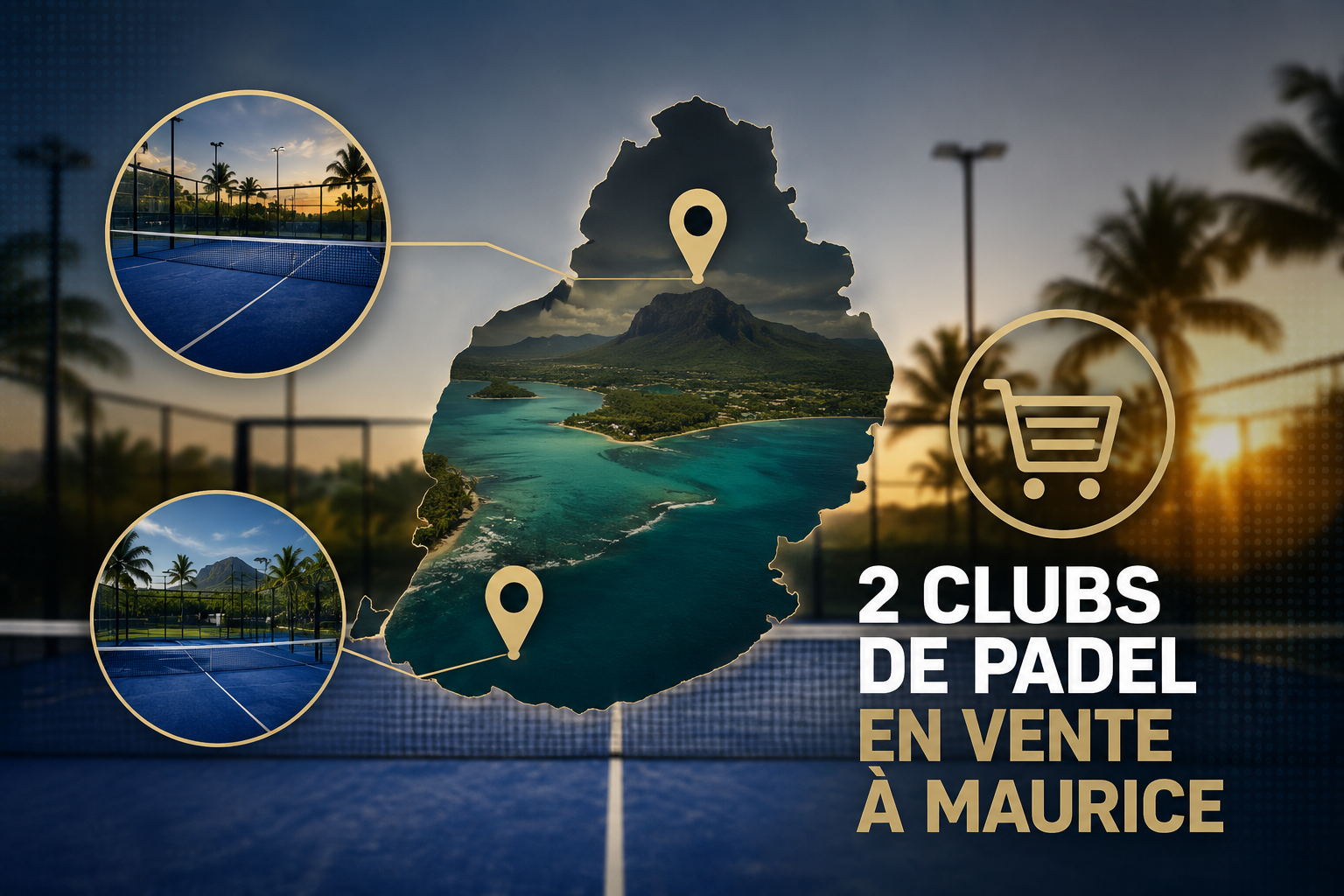 For sale: two padel clubs in Mauritius, starting from 330,000 euros
 How much does it actually cost to organize a FIP Bronze event?
 Padel How Lidl is transforming Crivit into a fully-fledged sports brand with Steffi Graf
 Compagnie des Alpes is accelerating its involvement in padel with PadelCity: a new step in its European strategy
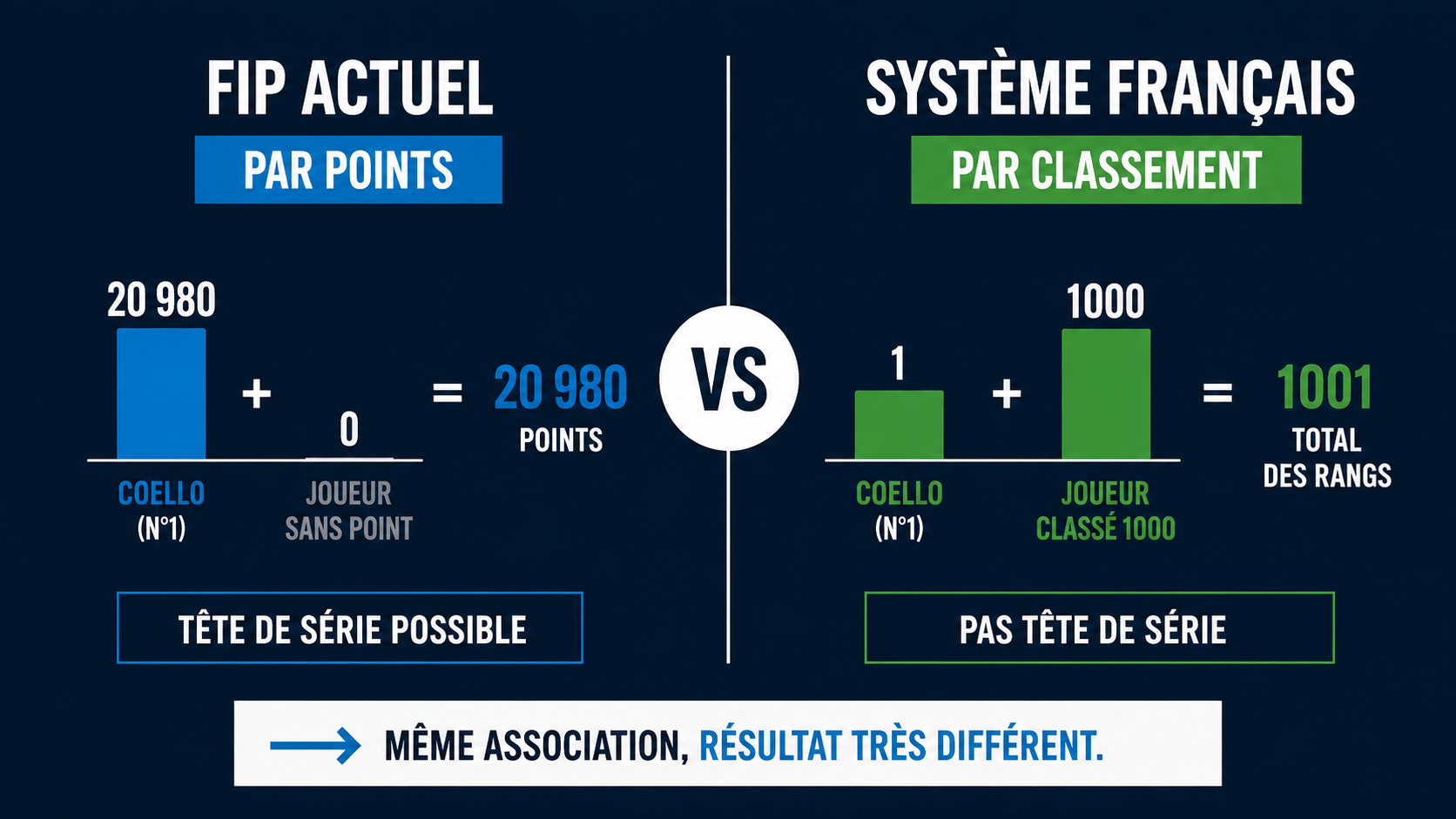 Coello with a player at 0 points ahead of two top 10 players: should the FIP ranking be reviewed?
 Les Pyramides: after 12 padel courts, the club is focusing on youth training
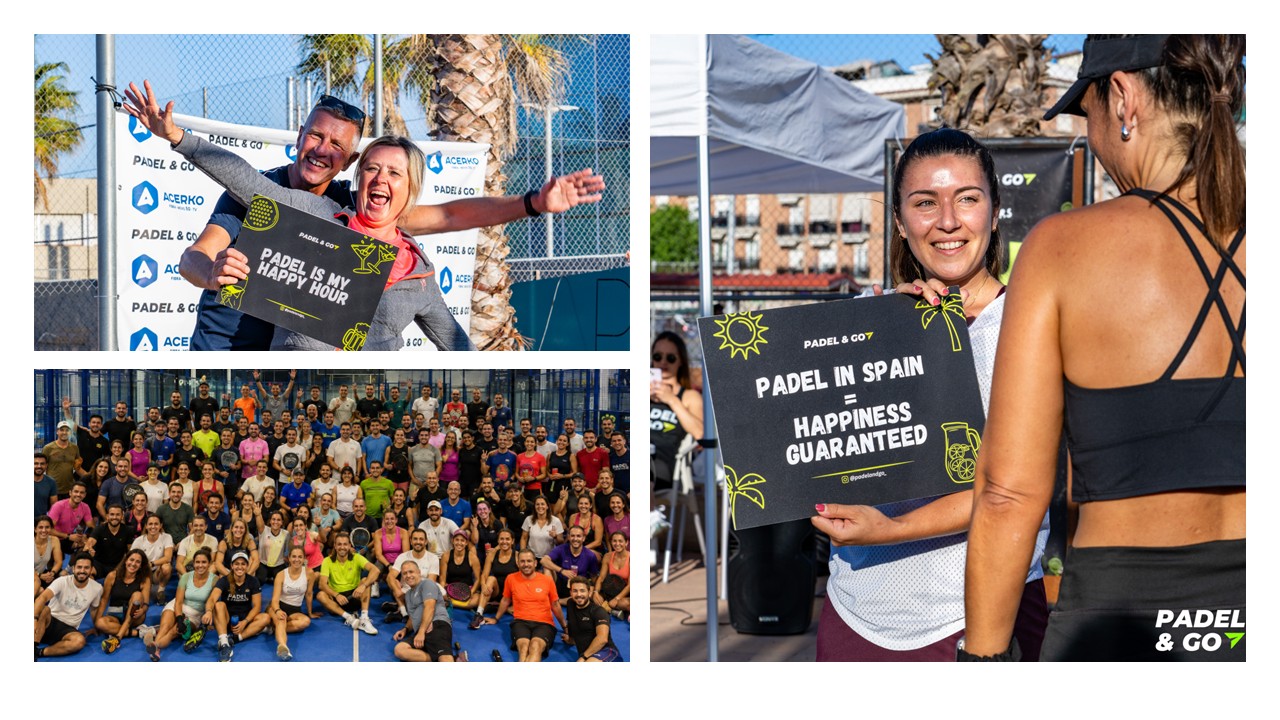 Health Care Padel Tour 2026: What if your next padel tournament was played in Barcelona?
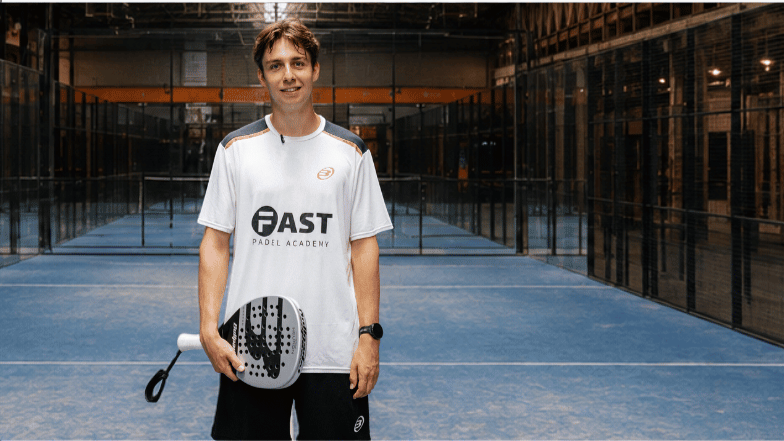 FAST Padel Academy continues its development and establishes itself in Liège.
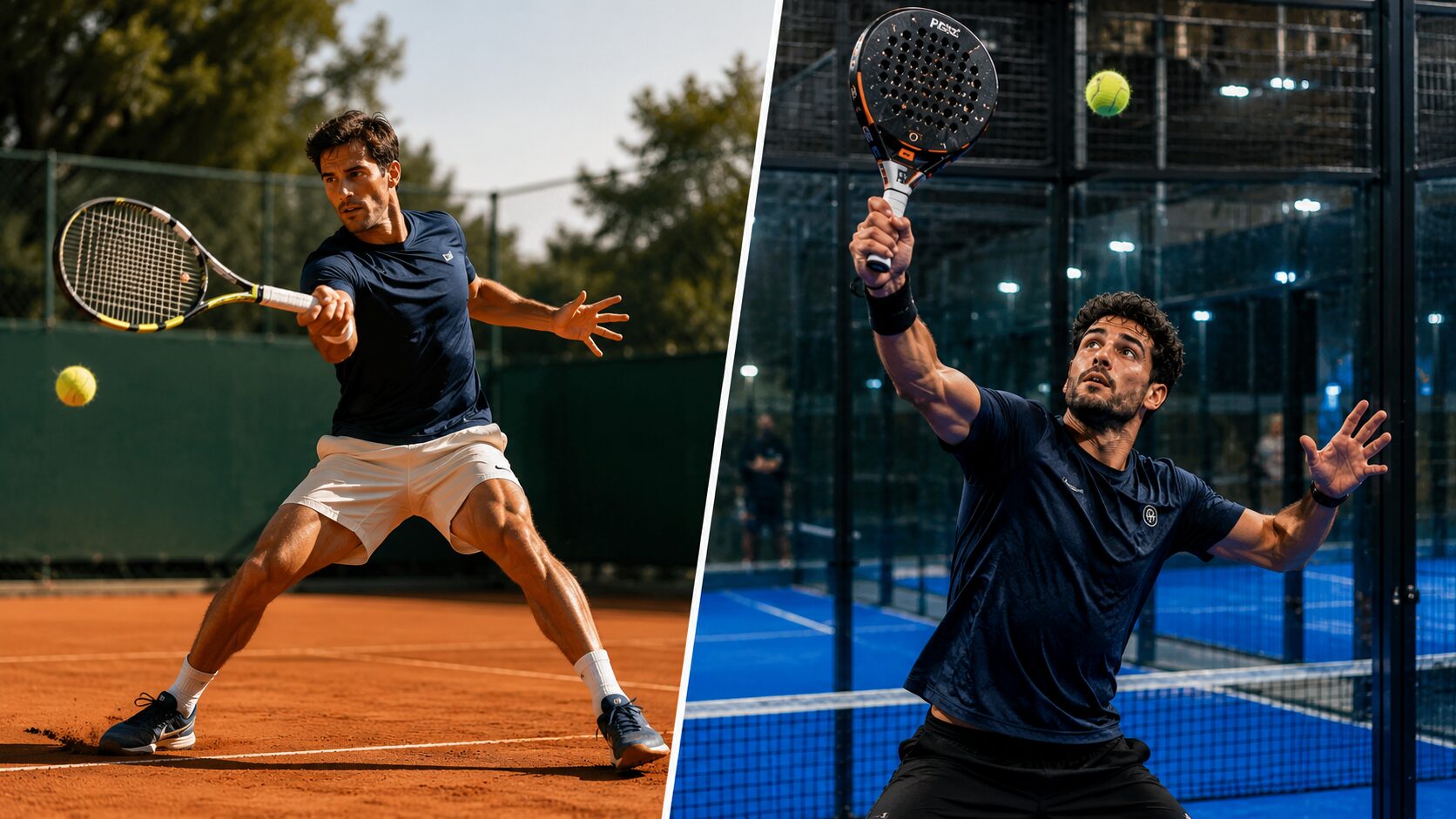 What the analysis of the stroke reveals: tennis forehand vs. padel bandeja
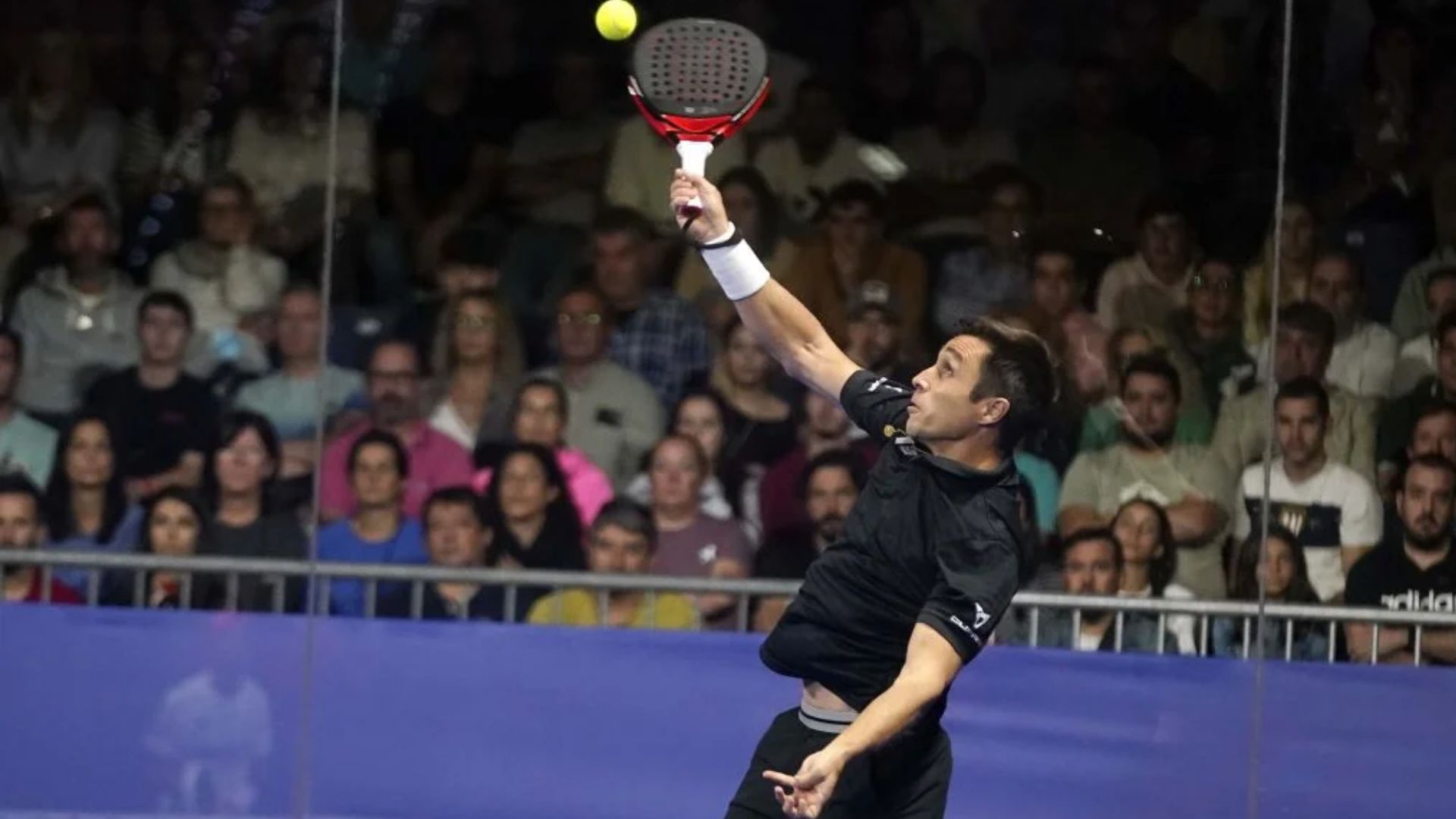 Has the bandeja disappeared from modern padel?
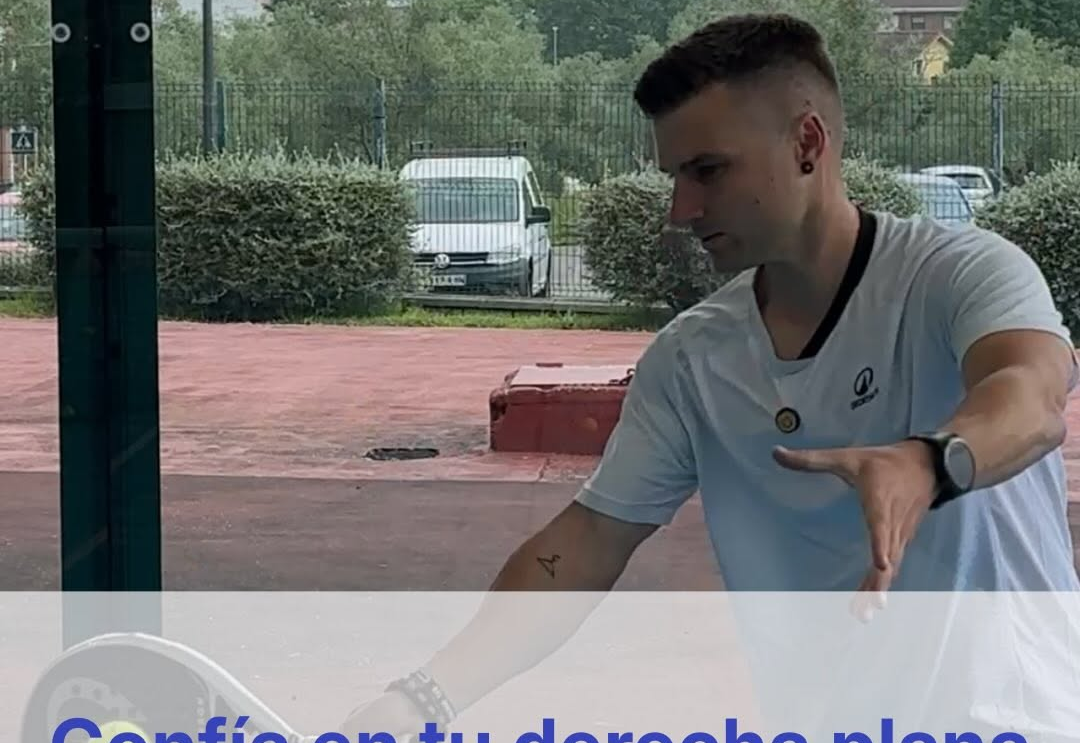 Flat forehand in padel: 5 exercises from Cristian Álvarez to gain control and efficiency
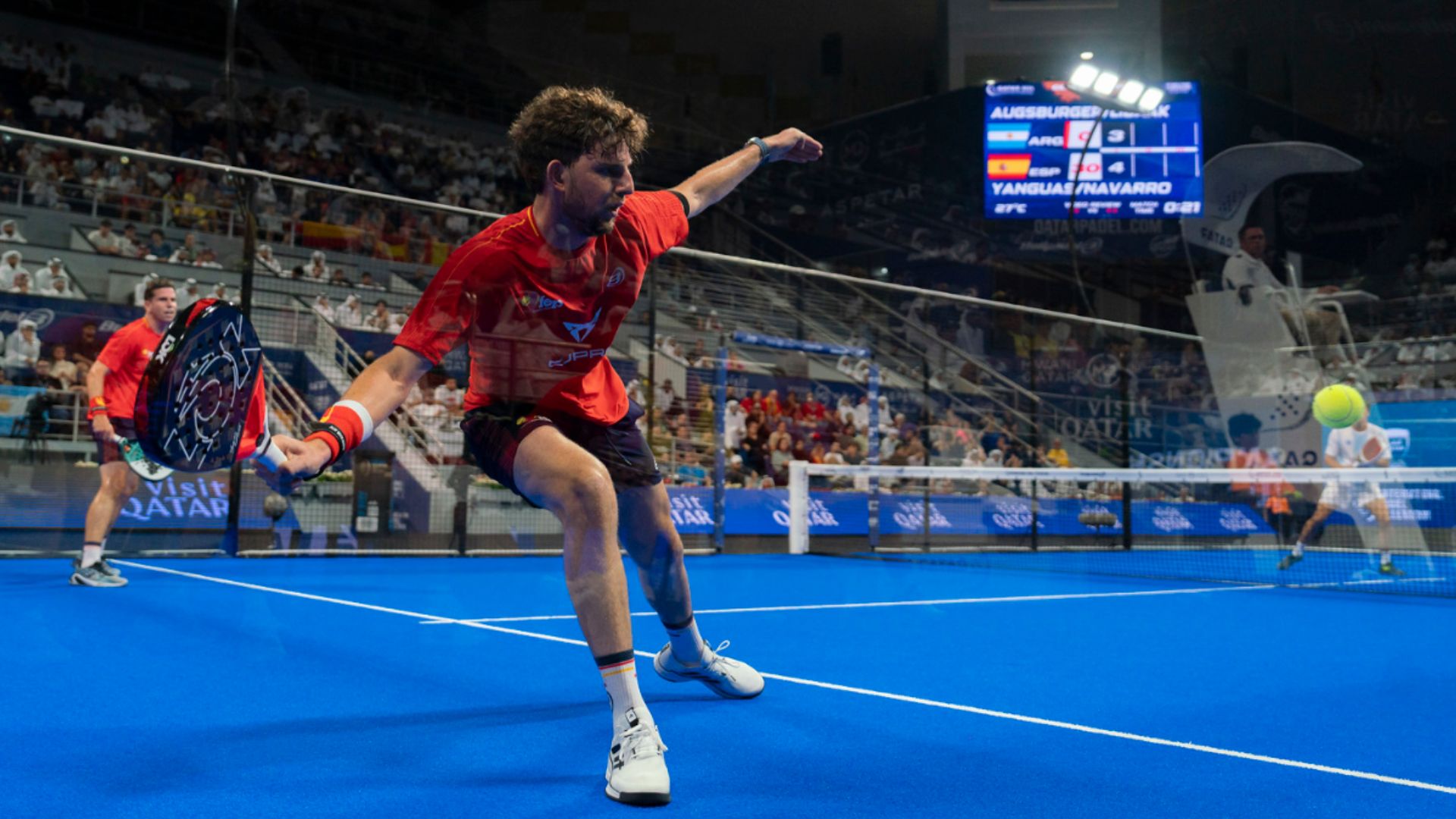 Why knowing how to play on the right and left can make all the difference
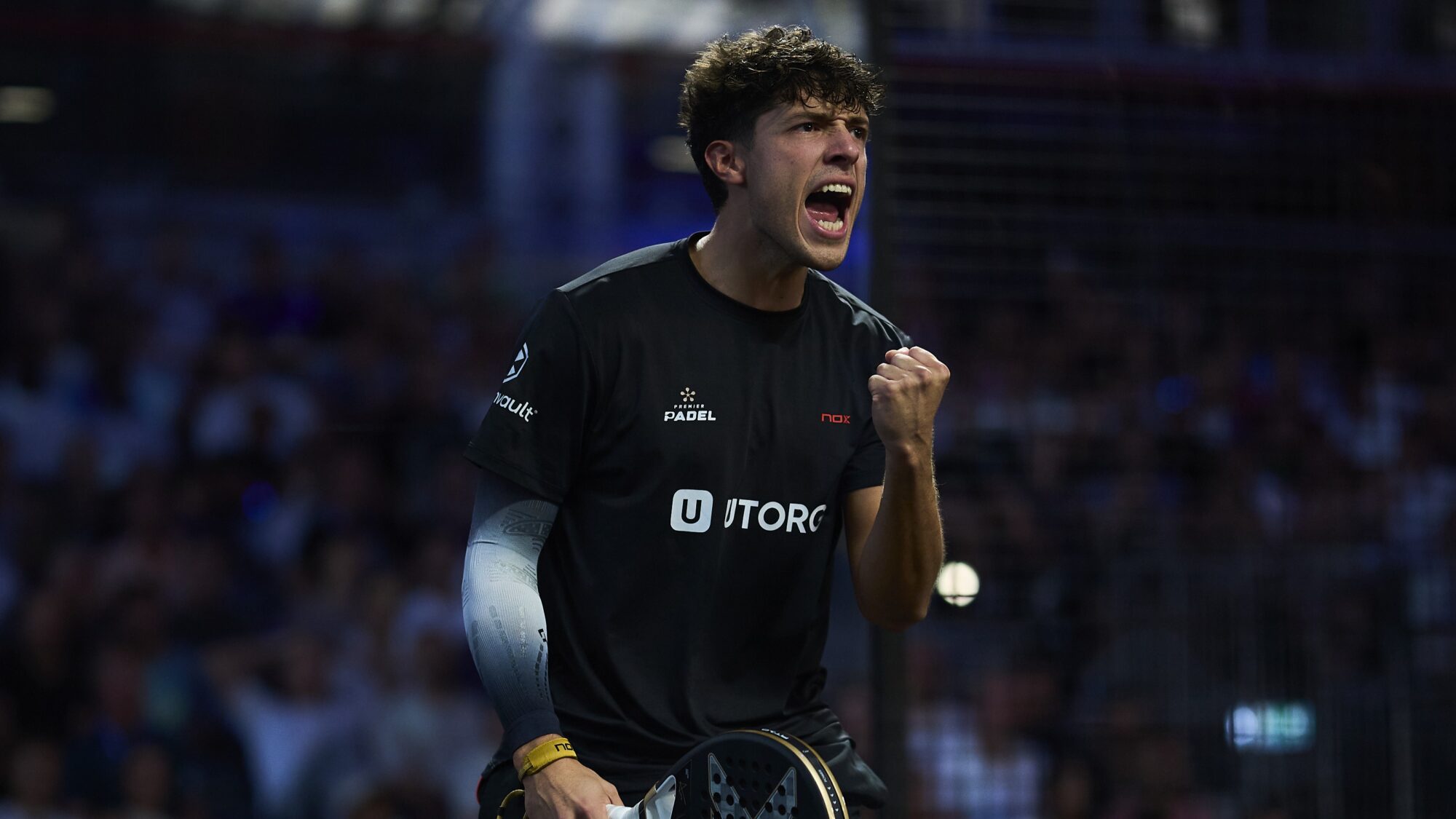 Tapia reveals his recipe for beating Coello / Tapia: "I would bet everything on myself"
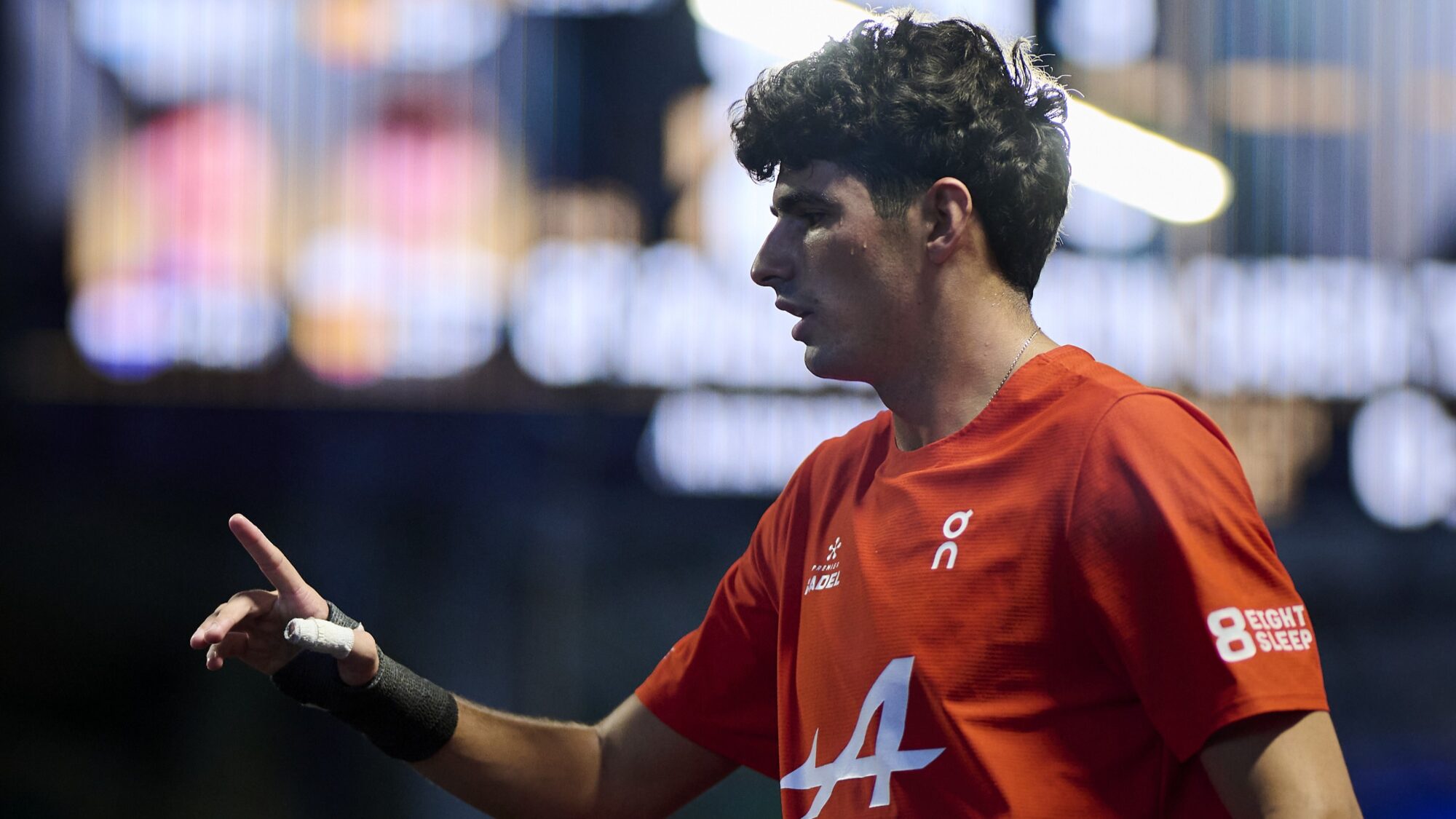 How Coello defused Chingotto's game plan
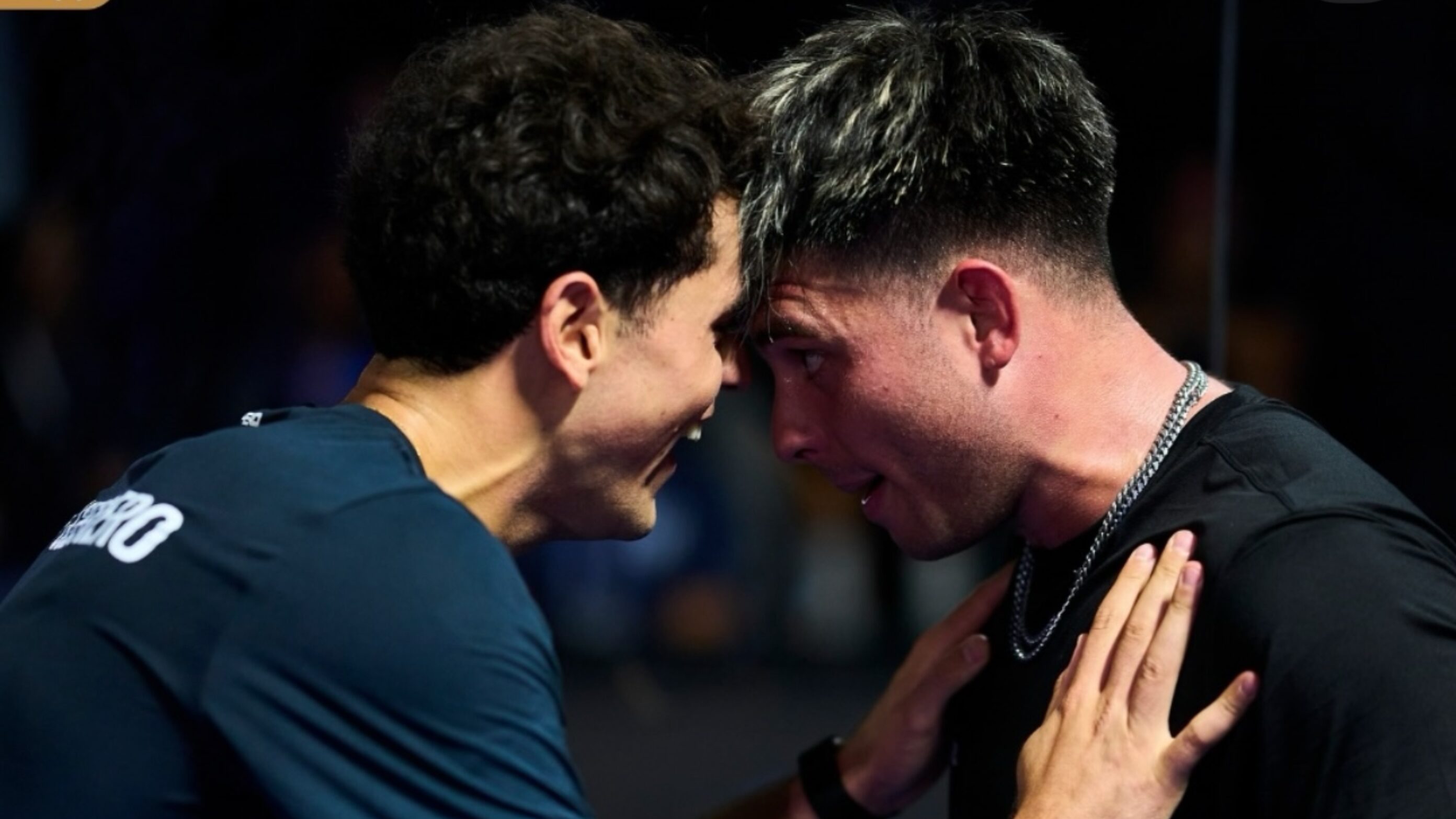 In padel, does the chemistry between a pair count as much as individual skill?
 Summer changes padel… but what if the real challenge wasn't hitting harder?
 Neither FIP Tour nor World Team Championship: the unique format of padel at the Mediterranean Games
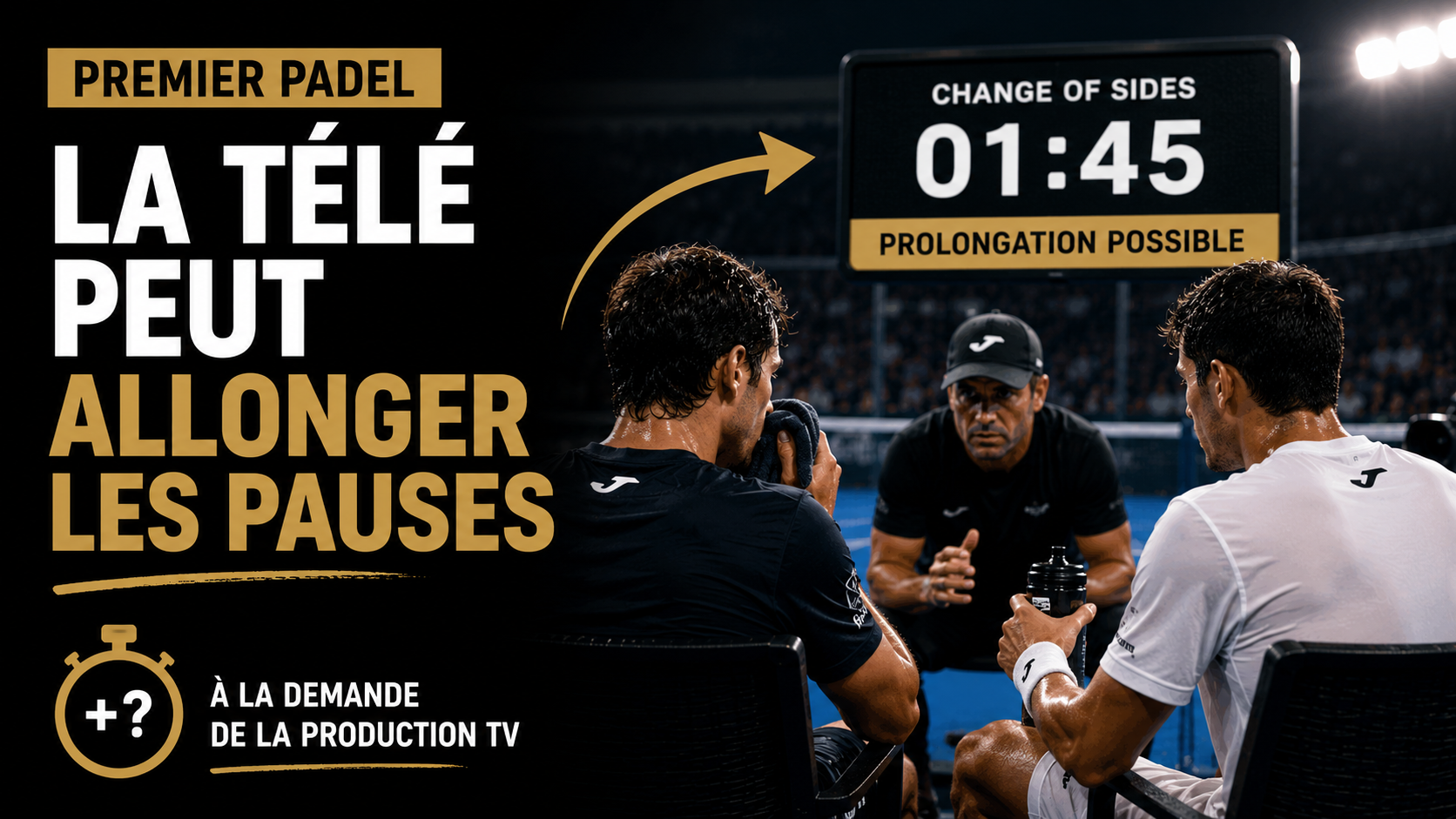 Premier Padel : when television can lengthen players' breaks
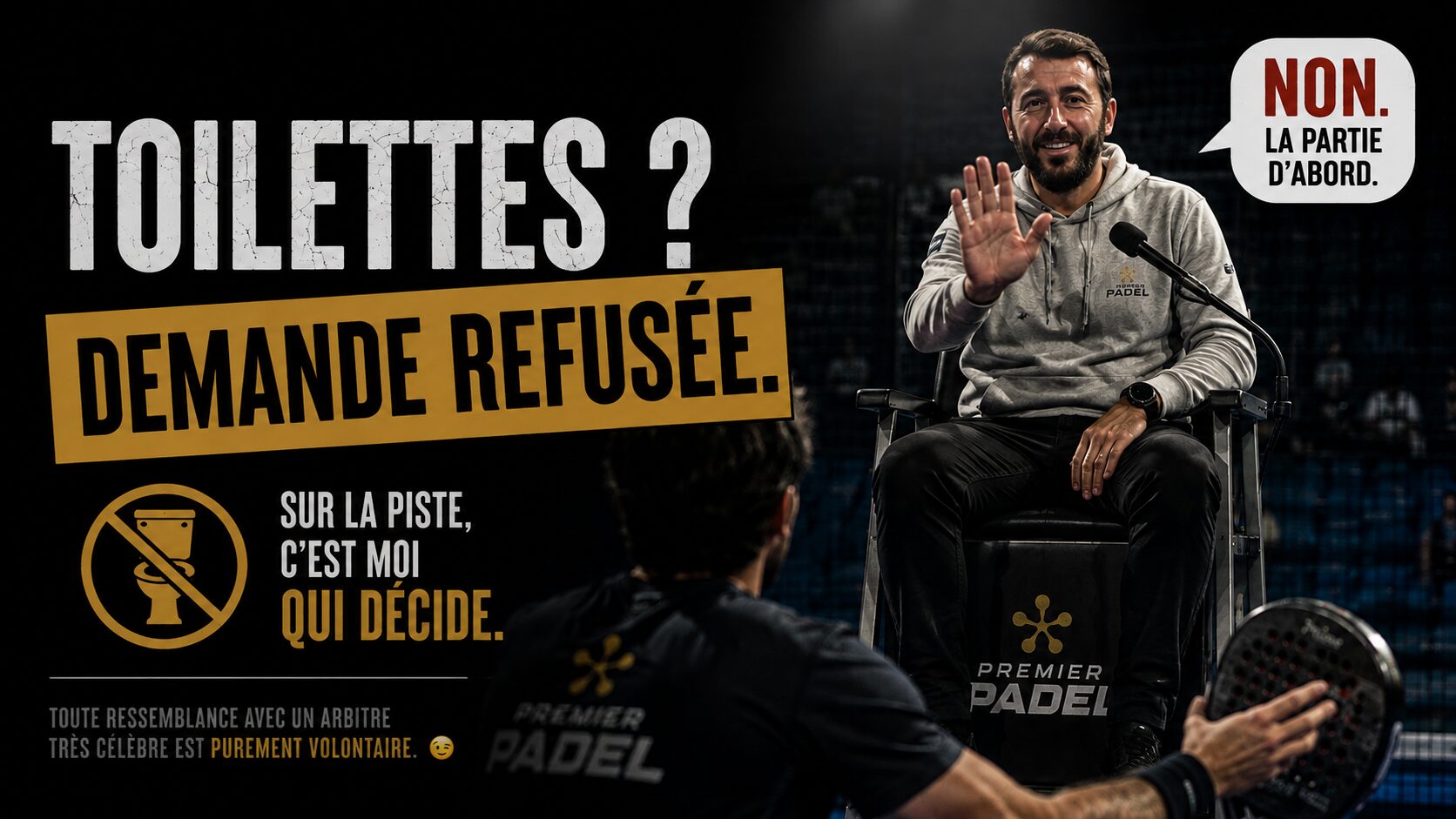 Premier Padel Yes, a referee can refuse a player permission to go to the toilet
 Julien Seurin opens up about his mental state: "There are far more doubts than moments of happiness."
 More than a year later, Thomas Leygue is back in the top 150: behind the scenes of a comeback that's still unfinished
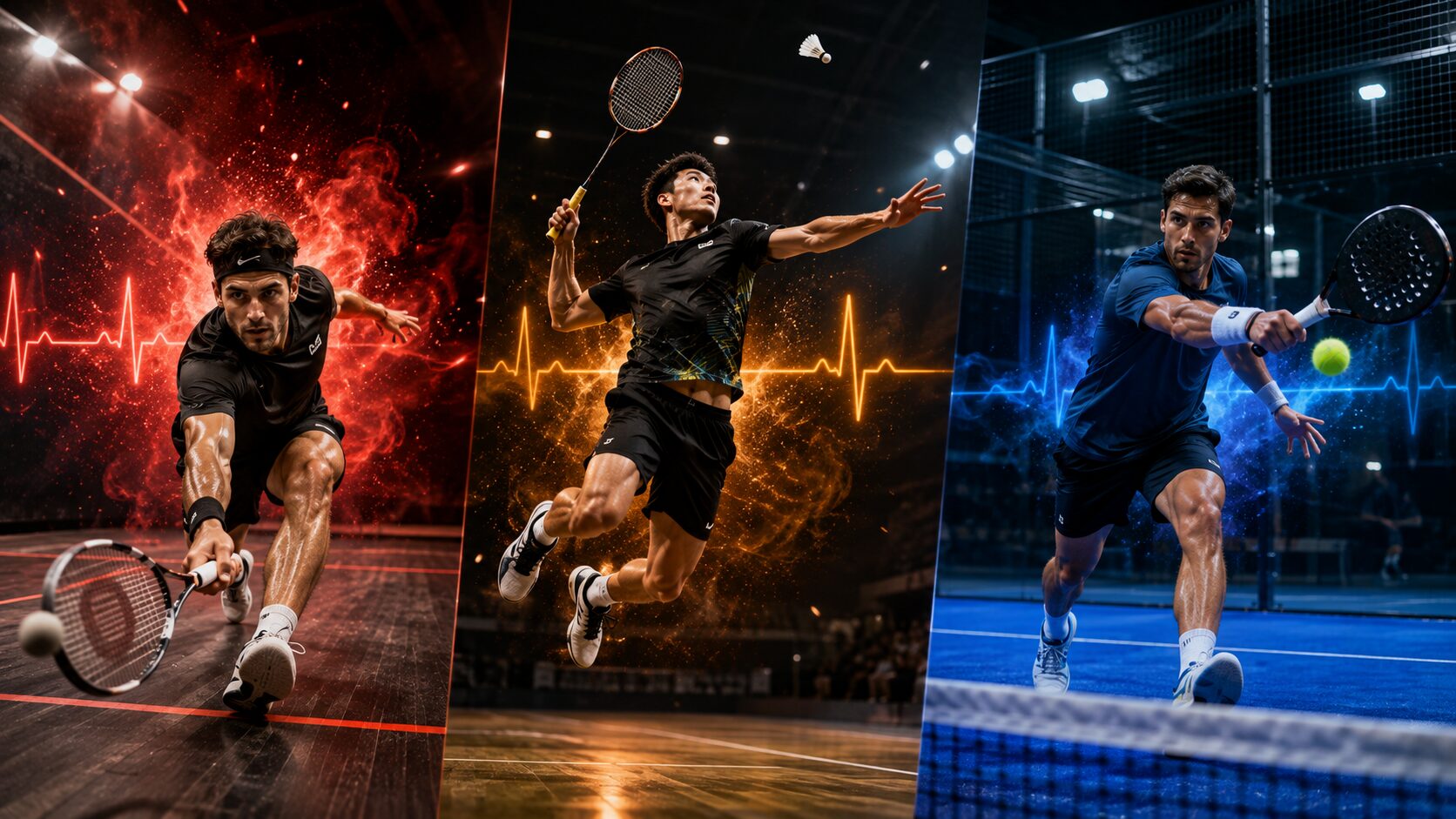 Padel vs squash vs badminton: the scientific ranking of cardio intensity
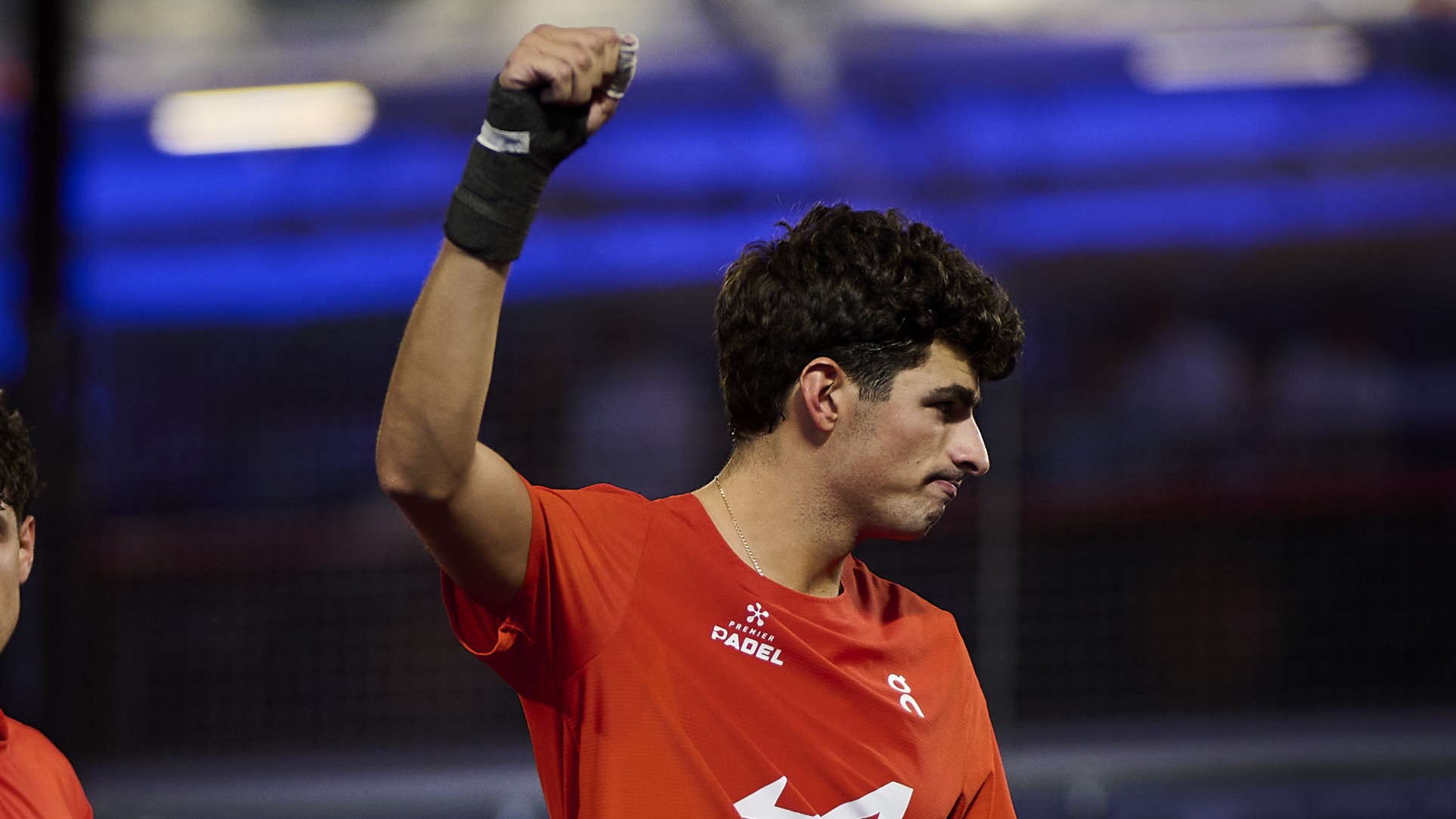 Why does Arturo Coello play with his right hand bandaged?
 What if your progress in padel depended on what nobody else is looking at?