
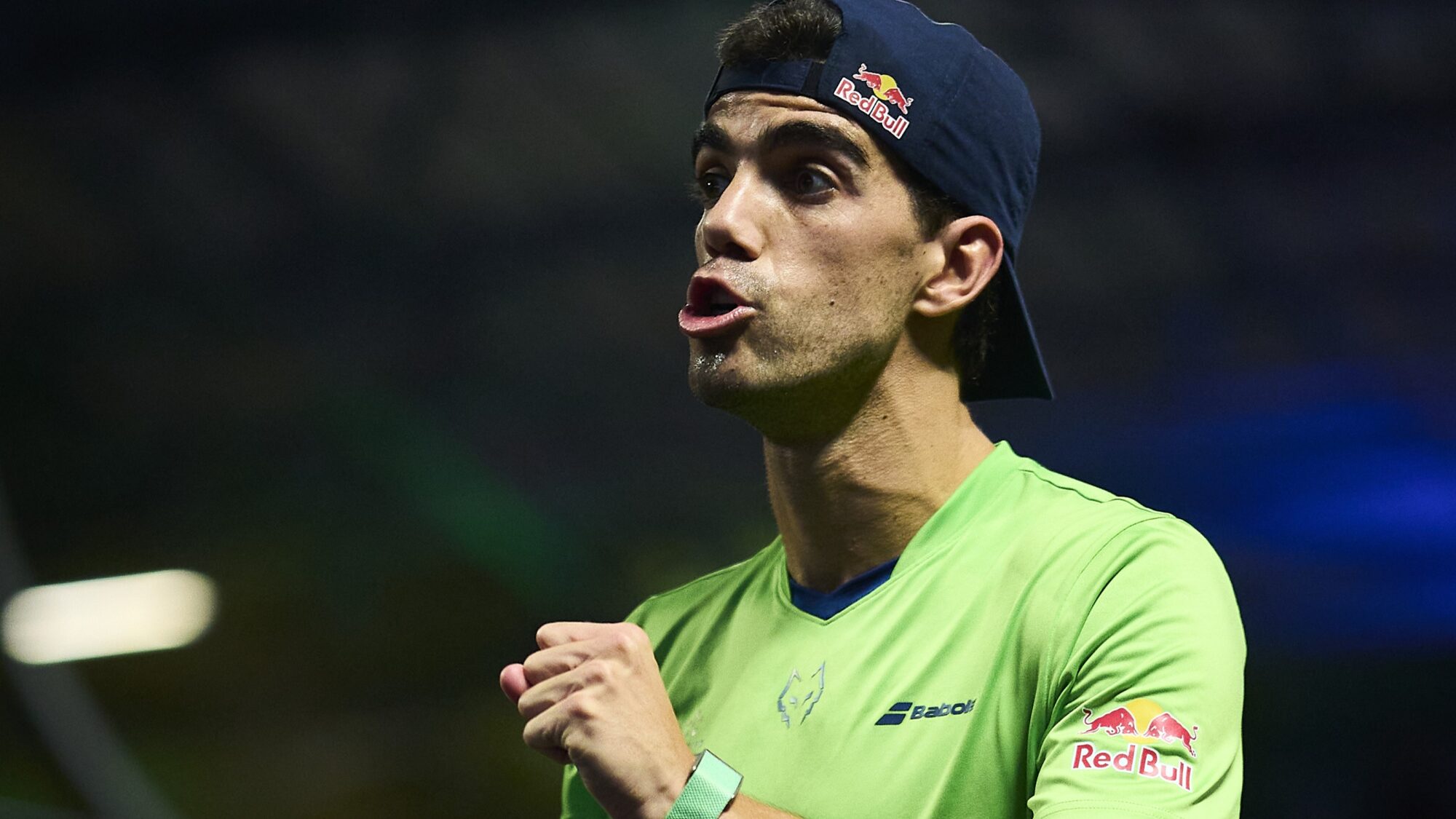







Juan Lebrón does not leave anyone indifferent. His strokes of genius thrill, his on-track reactions sometimes irritate, and his most tense episodes regularly fuel discussions. A personality that might seem difficult for a sponsor to manage. Yet, at Babolat The observation is different: despite his divisive nature, the Spaniard remains an ambassador with a very strong impact.
In the podcast EXTRA TIME , Jean-Christophe Verborg , Global Sports Marketing Director of BabolatThis perfectly sums up the reality:
"Lebrón, whether divisive or not, has a considerable impact."
A statement that raises an interesting question in a professional padel setting seeking strong figures: To attract brands, is it really necessary to be agreeable?
Lebrón, an ambassador who is making headlines
Babolat knows perfectly the different facets of Juan Lebrón .
When Jean-Christophe Verborg took over the management of the brand's padel players about four years ago, he arrived precisely at the time of a renegotiation with the former world number 1.
"It was right in the middle of renegotiations with Lebrón, which were complicated." he recounts. He even mentions moments "epic" in the discussions.
The brand is therefore not discovering the temperament of its ambassador today.
But Lebrón also possesses a quality that is particularly sought after in the sports business: an immediately recognizable identity .
His nickname, "El Lobo" His celebrations, spectacular play, and personality make him a unique figure on the circuit. One may or may not appreciate some of his attitudes, but it's difficult to mistake him for any other player.
And this ability to generate reactions has value.
For a brand, evoking emotion also matters.
The example of Lebrón reflects a logic that has long existed in sports marketing.
Nike, in fact, made this very clear when reflecting on fifty years of collaborations with its ambassadors. For the American brand, the challenge is to find athletes capable to win, but also to evoke emotion .
A philosophy that has accompanied very different personalities across generations.
This obviously does not mean that sponsors seek controversy or condone all the behavior of their players.
The border is important.
But between a perfectly unifying champion and a personality capable of immediately triggering a reaction from the public, The second profile can possess considerable marketing power. .
Provided, of course, that the brand's limits are not exceeded.
McEnroe, the obvious example
Jean-Christophe Verborg himself makes the connection with John McEnroe :
"He's perhaps a bit like the McEnroe of padel. You either love him or you hate him."
The comparison goes beyond mere temperament.
McEnroe was one of the best players of his generation, but also one of the most recognizable figures in tennis history. His outbursts of anger and confrontations with referees were part of his public persona. , without obviously summarizing his immense sporting qualities.
This did not prevent Nike from building an exceptional relationship with him.
In 2022, the brand indicated that McEnroe was its longest-standing athlete partner , with already 44 years of collaboration A building at Nike's headquarters in Beaverton even bears his name.
This proves that a difficult personality to smooth over is not necessarily incompatible with a business relationship built over the very long term.
Cantona: when character becomes identity
Eric Cantona offers another interesting parallel.
The Frenchman's career was marked by brilliant performances, strong statements, and controversial episodes. Yet, his character did not prevent Nike to make him one of the most memorable faces in its football history .
Better still: the brand did not try to erase its personality.
In the famous advertisement "Good vs Evil" Cantona appears with his collar turned up, scores the decisive goal, then lets out his famous " Bye " Nike now says that the campaign became a cultural phenomenon and that children were recreating the scene in courtyards and gardens.
Cantona would later appear in other major campaigns for the brand, eventually becoming the master of ceremonies for the "Secret Tournament" in 2002.
His character was part of the product.
Nike hadn't transformed Cantona into a bland ambassador: the brand had transformed its uniqueness into an advertising character .
Padel needs champions, but also characters
This is probably where the Lebrón case becomes particularly interesting for padel.
The circuit now boasts extraordinary players and an unprecedented level of competition. But to continue its media development, Padel also needs to develop figures who are recognizable beyond just the enthusiasts. .
This involves results, but not only that.
A rivalry, a personal history, a playing style, or a temperament can transform an excellent athlete into a character that the public wants to follow .
Obviously, not all players need to be provocative. Sport has also developed around extremely uncontroversial champions.
But the story of McEnroe or Cantona reminds us that there is several ways to become an icon .
Lebrón possesses something that cannot be manufactured
Babolat never said to seek out Juan Lebrón's controversies.
That would be going way too far in interpreting Jean-Christophe Verborg's remarks.
His observation is more subtle: Despite its divisive nature, Lebrón retains a considerable impact .
And in a sport where brands are investing more and more, this nuance matters.
Because performances can change, and so can rankings. A strong personality, an identity, and the ability to evoke emotion are much harder to manufacture artificially.
Juan Lebrón already possesses all of that.
It can inspire enthusiasm as well as annoyance. Make people smile as well as provoke. Be applauded one day and criticized the next.
Corn (Mais) he's making people talk .
For padel, it's sometimes uncomfortable. For a brand, as long as certain limits aren't crossed, This can also be a tremendous strength.

Franck Binisti discovered padel at the Club des Pyramides in 2009 in the Paris region. Since then, padel has been part of his life. You often see him touring France to cover major French padel events.






























 FIP Tour: Changes among the French national team: why are the French increasingly watching foreign football?
 FIP Tour: Seurin / Joris, Boronad, Bahurel… French artists are meeting up all over Europe
 Godallier / Touly: a title, confidences and announcements that change everything…
 Sébastien Husser-Walther and Tony Boval: "The French are on the verge of reaching the Spanish level"
 Forcin/Joris at the end of the suspense: "We win because we get along extremely well."
 Bahurel/Pothier in the final: "Tomorrow, there will be an extra step up"
 Eric Largeron: "In some places, there are too many tournaments and perhaps too many clubs..."
 French Championships 2026: The good deals and the disappointments compared to the starting ranking
 2026 French Padel Championships: Results and Standings
 Düsseldorf, a showcase of a Germany where padel is accelerating
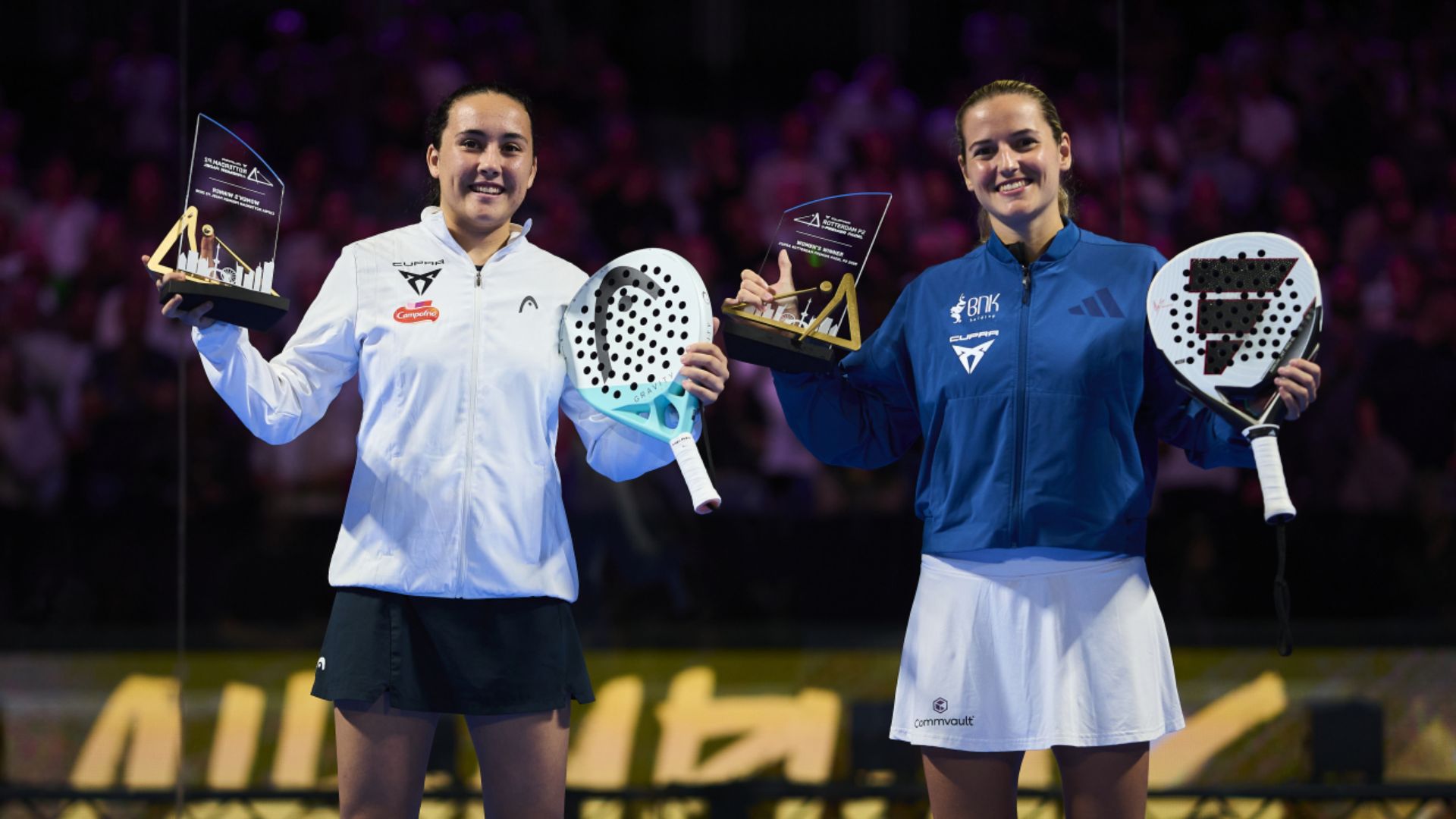 Sánchez/Ustero are only 160 points behind second place in the world: the end of the season could change everything
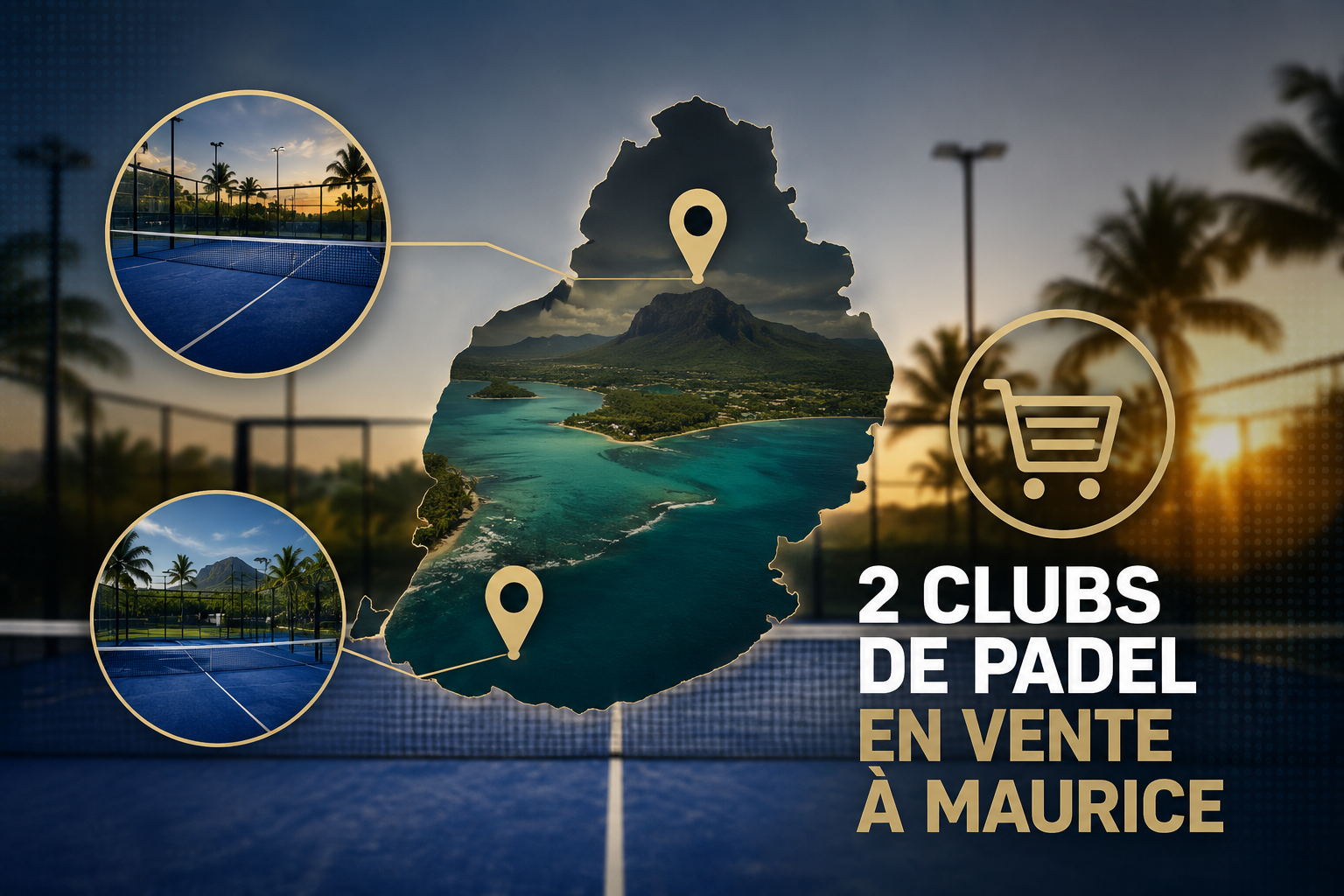 For sale: two padel clubs in Mauritius, starting from 330,000 euros
 How much does it actually cost to organize a FIP Bronze event?
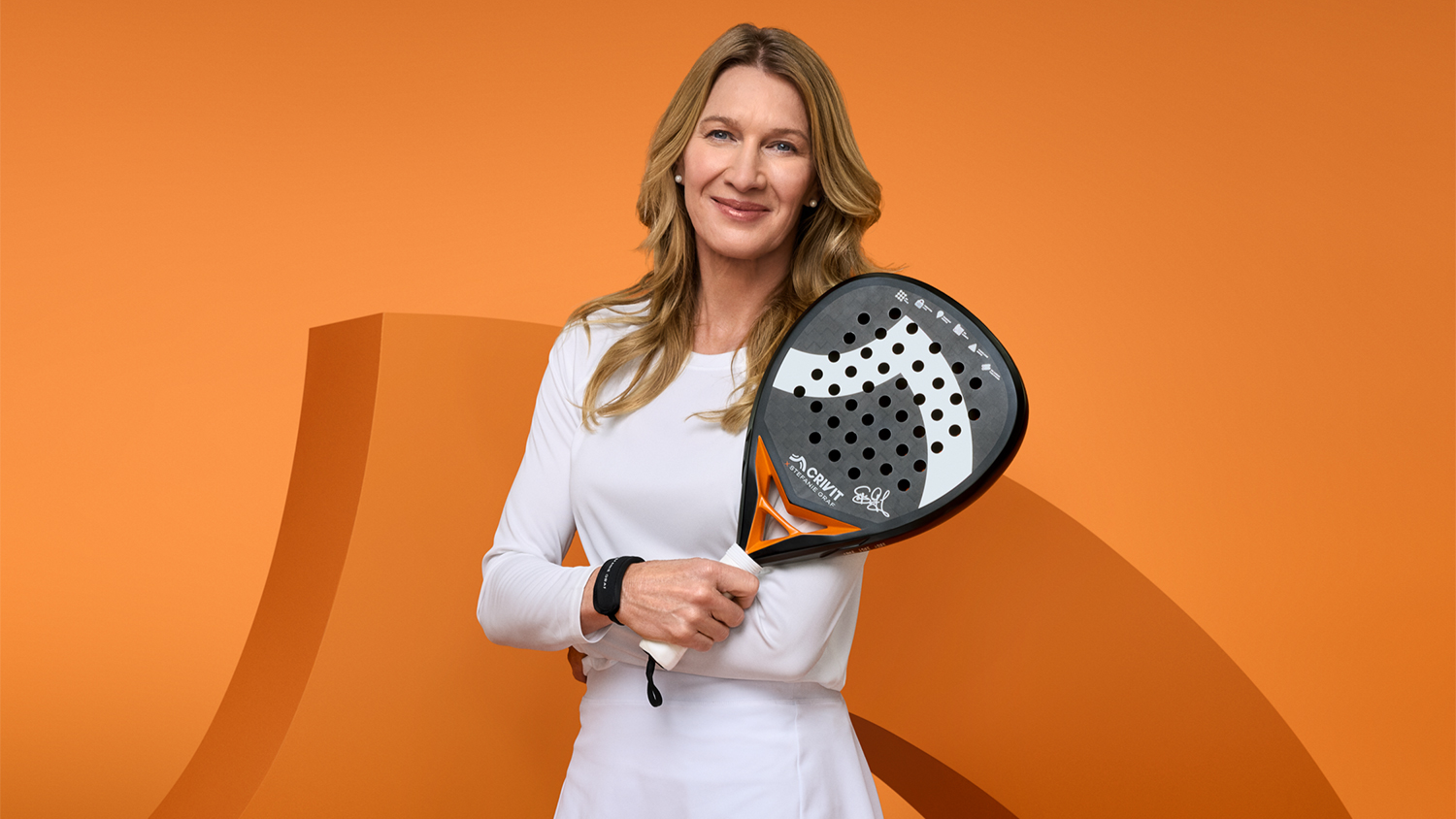 Padel How Lidl is transforming Crivit into a fully-fledged sports brand with Steffi Graf
 Compagnie des Alpes is accelerating its involvement in padel with PadelCity: a new step in its European strategy
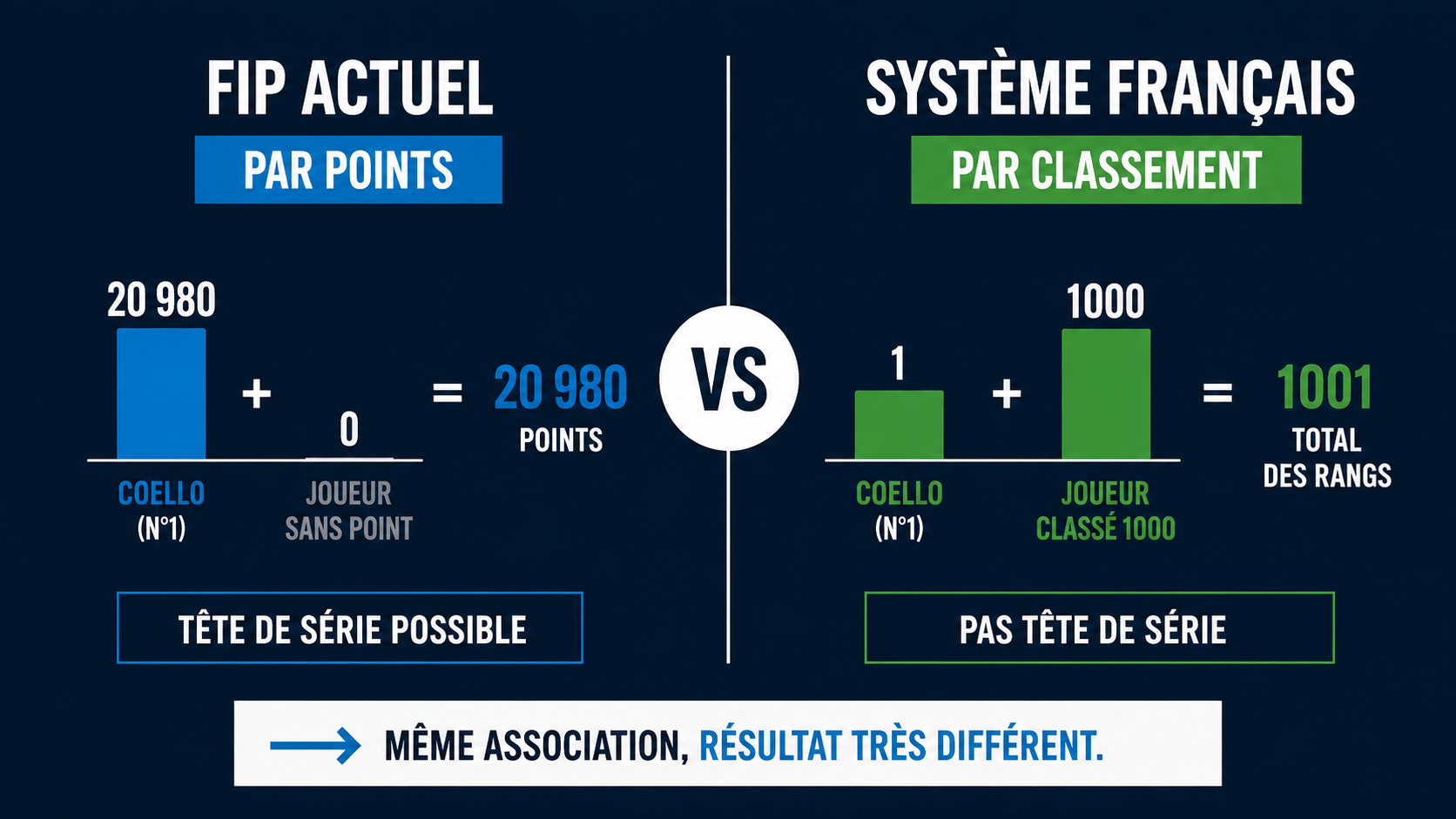 Coello with a player at 0 points ahead of two top 10 players: should the FIP ranking be reviewed?
 Les Pyramides: after 12 padel courts, the club is focusing on youth training
 Health Care Padel Tour 2026: What if your next padel tournament was played in Barcelona?
 FAST Padel Academy continues its development and establishes itself in Liège.
 What the analysis of the stroke reveals: tennis forehand vs. padel bandeja
 Has the bandeja disappeared from modern padel?
 Flat forehand in padel: 5 exercises from Cristian Álvarez to gain control and efficiency
 Why knowing how to play on the right and left can make all the difference
 Tapia reveals his recipe for beating Coello / Tapia: "I would bet everything on myself"
 How Coello defused Chingotto's game plan
 In padel, does the chemistry between a pair count as much as individual skill?
 Summer changes padel… but what if the real challenge wasn't hitting harder?
 Neither FIP Tour nor World Team Championship: the unique format of padel at the Mediterranean Games
 Premier Padel : when television can lengthen players' breaks
 Premier Padel Yes, a referee can refuse a player permission to go to the toilet
 Julien Seurin opens up about his mental state: "There are far more doubts than moments of happiness."
 More than a year later, Thomas Leygue is back in the top 150: behind the scenes of a comeback that's still unfinished
 Padel vs squash vs badminton: the scientific ranking of cardio intensity
 Why does Arturo Coello play with his right hand bandaged?
 What if your progress in padel depended on what nobody else is looking at?