

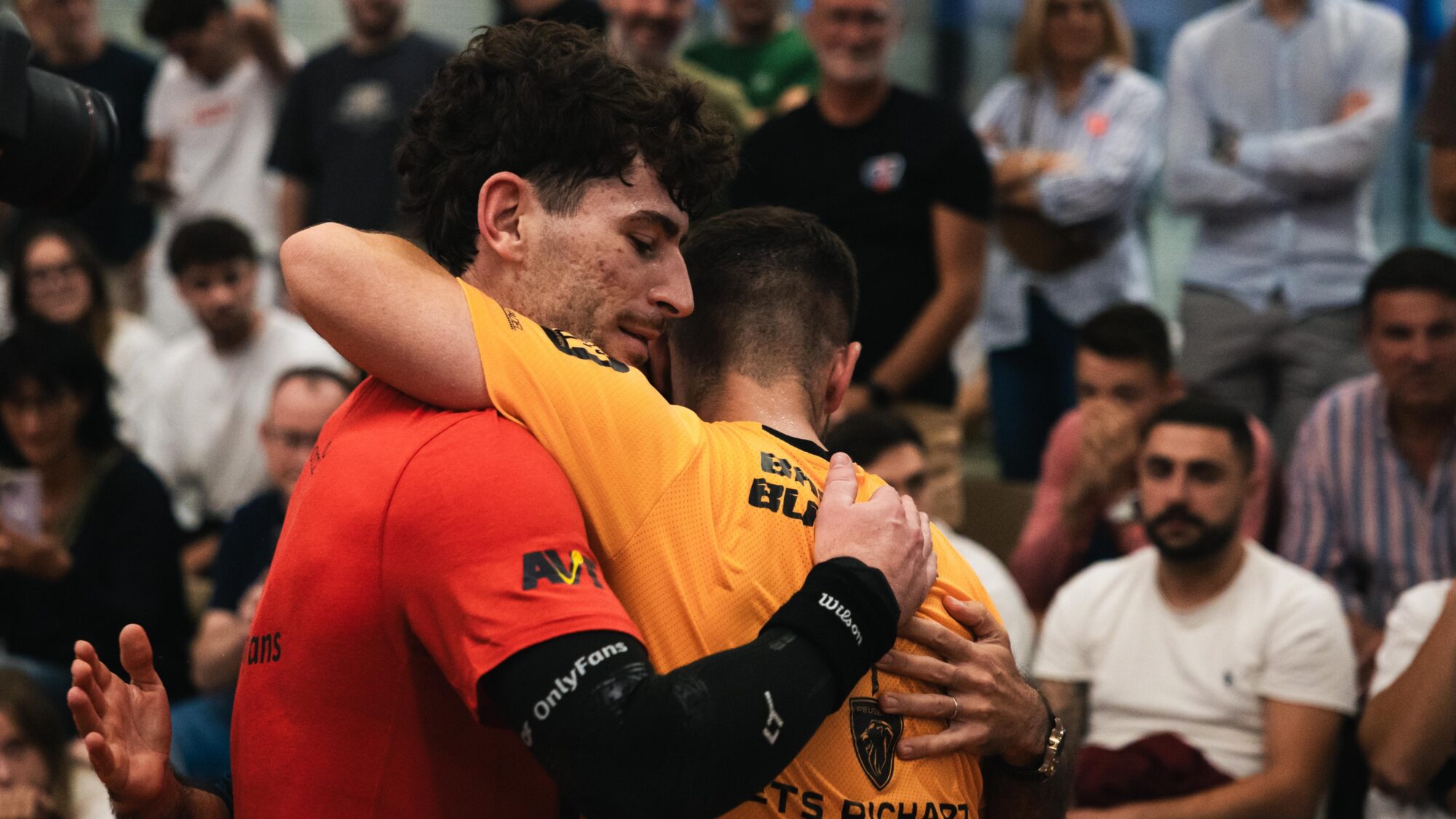








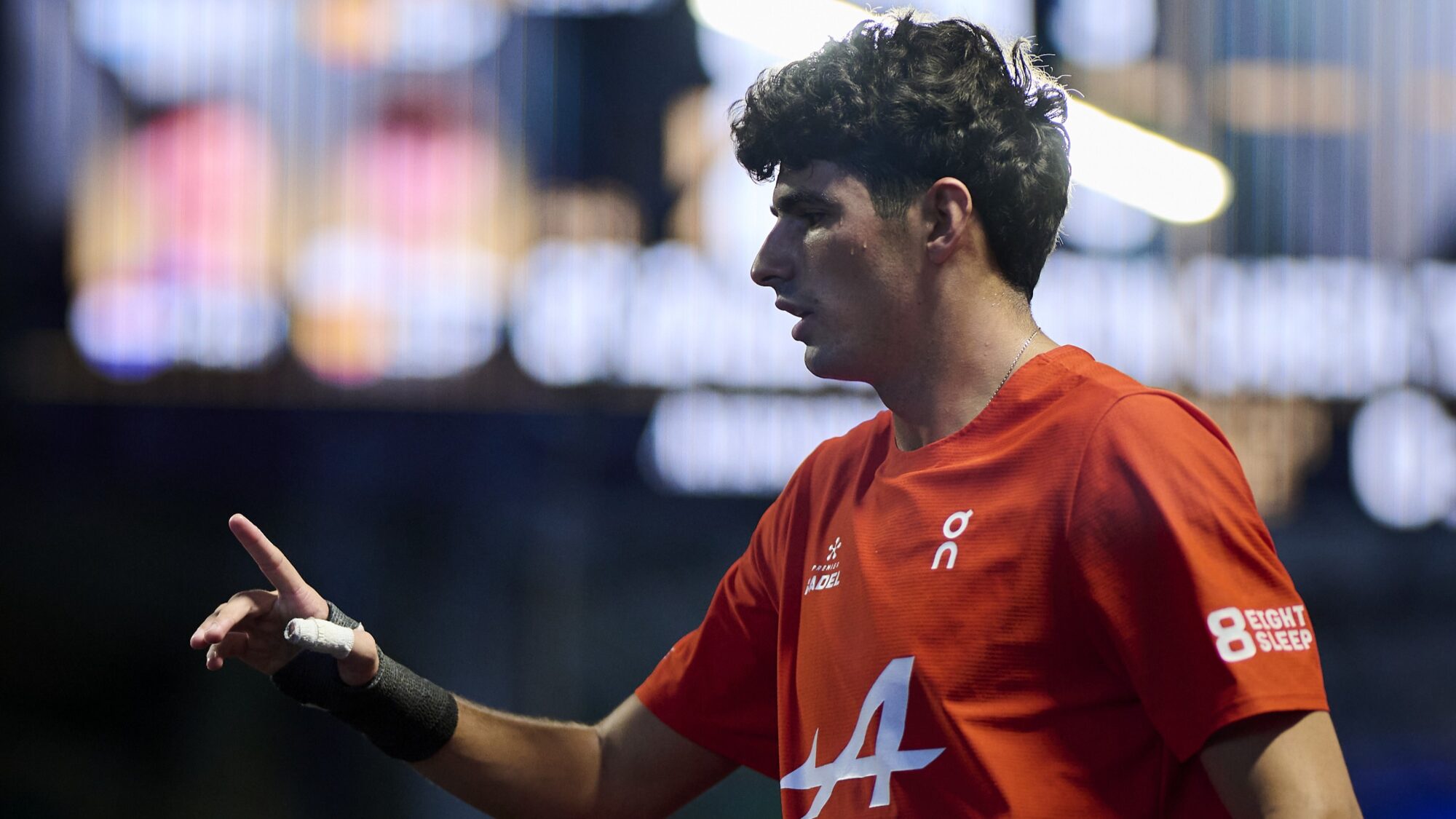
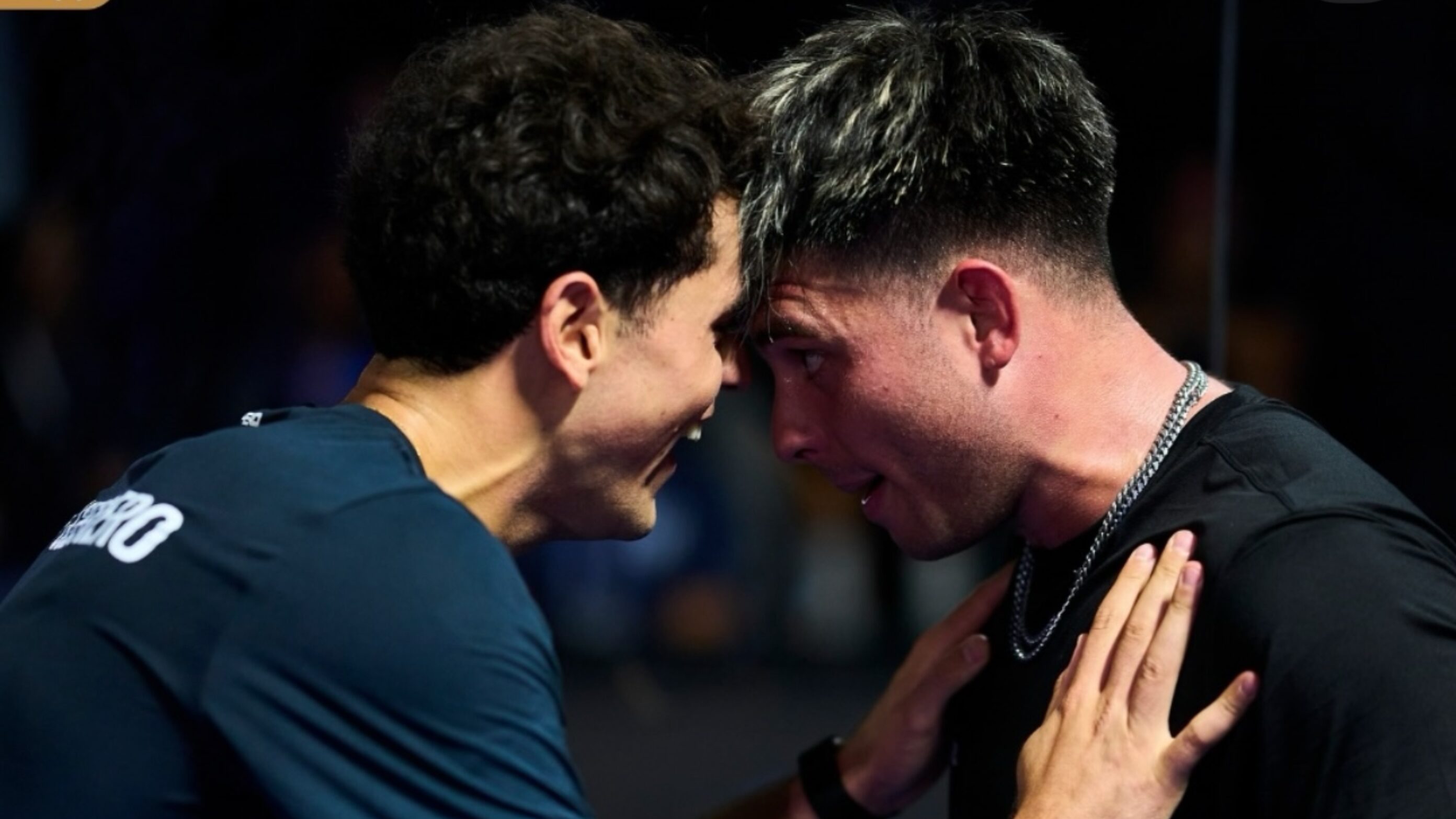
Thomas Leygue and Bastien Blanqué They took advantage of their post-French 2026 championship interview to address some comments they'd seen during the competition. Their way of encouraging each other, their celebrations, their sometimes visible frustration on the track: the two Frenchmen own up to it. And behind their response lies a broader debate about the sacrifices of professional sport, the relationship to success and a French culture which they sometimes consider too reserved.
Thomas Leygue: "Nothing affects me."
After discussing the final and their new title, Thomas Leygue wants to get a message across.
During the matches, the Frenchman saw some comments regarding his behavior on the track. His expressiveness, his encouragement, and even his frustration were sometimes criticized.
Leygue begins with a clarification:
"I have one great quality, and I'm not ashamed to say it: nothing affects me."
The comments don't stop him from playing. But above all, he wants to explain what the public doesn't necessarily see behind a few seconds of annoyance or a particularly demonstrative celebration.
"Try to come back from an injury and work every day."
Thomas Leygue invites those who criticize him to look beyond the match.
"I wish you the day you'll get up in the morning, go to training, get injured, try to come back, and work every day to try to be at your best."
A statement that inevitably resonates with his own journey. After a serious Achilles tendon injury, the Frenchman had to go through a long period of rehabilitation before gradually returning to competition and then his best level.
And according to him, it is also this accumulation of work that explains the intensity with which he experiences each encounter.
"Understanding why we encourage each other, why we get frustrated, and why there's so much at stake when it's our profession."
"We put all our money, all our time, all our doubts into it."
Leygue goes on to discuss a less visible reality of the professional circuit.
Behind the tournaments lie the training, the travel, the fatigue, the injuries, but also the financial investments and the periods of doubt.
"We're giving it our all, we're putting all our money into it, we're putting all our time into it, all our doubts into it."
Then he adds:
"There's a lot of travel, a lot of fatigue, a lot of doubt, a lot of changes. It's very complicated being a professional player."
However, there is no question of presenting herself as a victim.
"I'm not complaining because this is still the life I've always wanted."
His message is primarily intended to put certain reactions observed on the track into context.
When he encourages or celebrates with Blanqué, it's not simply about overdoing it.
"We encourage each other because it's our life and we live for it." We live for these moments. »
Blanqué: "It's not in the French culture to encourage one another."
Bastien Blanqué then takes over and broadens the debate.
For the Toulousain, some criticisms also stem from a cultural difference.
Having himself lived and played in Spain for a long time, he believes that the expression of confidence and emotions is not perceived in the same way everywhere.
"Unfortunately, it's not part of French culture to encourage one another, to be proud, as Thomas said, to be proud of one's qualities, to have a little bit of ego."
Blanqué notably compares France with Spain, South America, and the United States.
"We don't have the same cultures. In France, you always have to be a bit discreet, not show your emotions too much."
He considers this restraint to be difficult to reconcile with certain situations in high-level sport.
"When you're in a tough spot and when you're in a bad one, it can't work."
Blanqué discusses Leygue's injury
To support his point, Bastien Blanqué goes back to a much more personal episode.
He was present when Thomas Leygue suffered a serious Achilles tendon injury.
"I was there the day he was injured; he was crying in my arms."
A few months later, Blanqué saw his partner gradually return to the forefront.
"He's back to his best today. He's been playing extremely well for the last three months."
For him, it was impossible to separate the encouragement and celebrations from the entire journey undertaken.
Blanqué also draws a parallel with his own season, marked by more difficult results on the international circuit.
"I struggled all season this year too. We tried to come back and then we won the French Championship."
So naturally, they celebrate.
Leygue: "There's no shame in winning."
Thomas Leygue then spoke again with a sentence that summed up their position:
"There's no shame in winning."
For him, humility and celebration are absolutely not incompatible.
"When we win, we remain very humble, but we have every reason to celebrate, to congratulate ourselves on all the work we've done."
Leygue notably cites the example of Rafael Nadal known for his intensity and his way of encouraging himself on the court.
The goal is obviously not to compare oneself to the Spaniard in terms of sporting performance, but to remind everyone that at the highest level, Expressing emotions is also part of the competition .
"We aspire, we want to be like the best in the world. We get up every morning trying to be better."
Before concluding :
"There's nothing wrong with encouraging each other."

Franck Binisti discovered padel at the Club des Pyramides in 2009 in the Paris region. Since then, padel has been part of his life. You often see him touring France to cover major French padel events.



















































 P3000 Break Padel Club – End of qualifying rounds, now for the main draw with the round of 16
 Where to watch the Dubai P1 semi-finals? Schedule, fixtures and times
 De Pascual/Garrido: nothing can stop them at Dubai P1! They eliminate Stupaczuk/Sanz and reach the semi-finals
 "We're not a tournament club": the gamble taken by the two Henry sisters who are hosting a P3000 at The Break Padel Club
 Gonzalo Alfonso on his split with Tolito Aguirre: "It was painful, sad"
 2026 World Championships – Ustero in tears, Triay facing Brea: the world champions' confessions
 Paquito Navarro: "This is probably my last match with Spain."
 JAP1, JAP2: How to become a padel referee and what are the prospects?
 P2000: Scatena / Sescun, Courrin / Basso, Mansart / Bognard… the first pairs entered for the December events
 4PADEL Football Cup: Lille kicks off season 2 with a victory for Cheyrou/Cygan against Mandanda/Danic
 P3000 Bouillargues – Results / Live / Schedule
 FIP Silver Côme – Boronad / Robert have a scare but advance to the quarter-finals, Potel / Étienne exit with honors
 Dubai P1 – Dal Bianco / Abbate cause a sensation, Lebrón / Augsburger deliver: an unexpected semi-final!
 Dubai P1 – Shocking upset: Triay / Brea eliminated in the quarter-finals, the race for world number 1 is totally reignited!
 Padel, weight training, and even HYROX: clubs are changing their model
 Padel court rentals: a global market estimated at 4,6 billion euros
 FIP Beyond: the new global padel circuit for amateurs and seniors
 More than 6,300 FIP-ranked players: professional padel is becoming international, but Spain dominates
 OSS Barcelona – Why Spain and France aren't yet playing in the same league
 Cancer and rehabilitation: could padel become a therapeutic tool?
 Padel injuries: ankle, knee, elbow, eye… what the latest figures reveal
 Shocking turn of events at Dubai P1: Coello and Tapia have also withdrawn!
 Padel serve: a good serve is especially good preparation for the third shot.
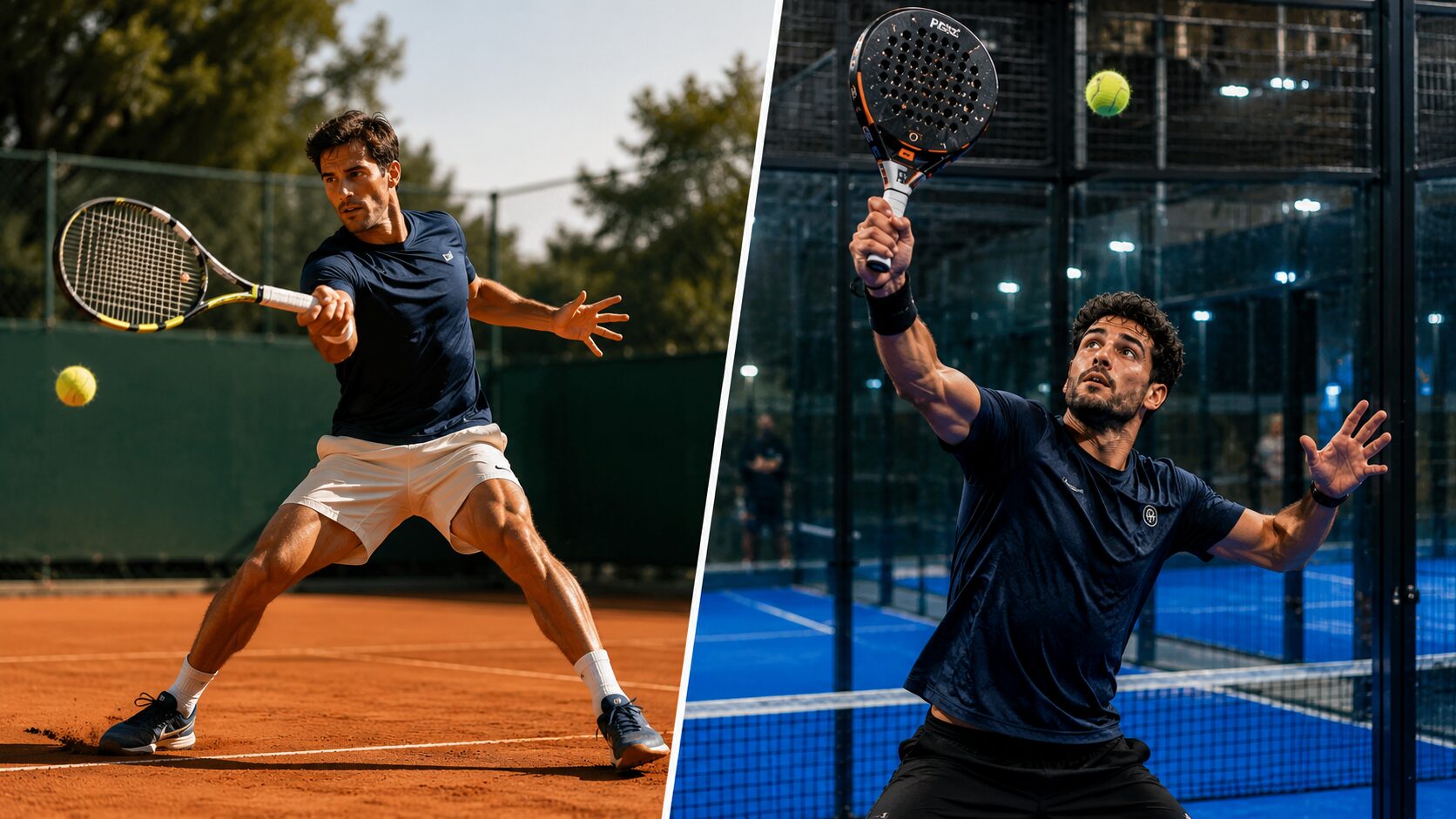 What the analysis of the stroke reveals: tennis forehand vs. padel bandeja
 Has the bandeja disappeared from modern padel?
 Flat forehand in padel: 5 exercises from Cristian Álvarez to gain control and efficiency
 Why can Libaak/Alfonso beat almost everyone… except Coello/Tapia?
 Tapia reveals his recipe for beating Coello / Tapia: "I would bet everything on myself"
 How Coello defused Chingotto's game plan
 In padel, does the chemistry between a pair count as much as individual skill?
 Organising a national padel competition: what are the FFT's requirements for clubs?
 Organising a P2000 or a P3000: how much does it really cost clubs?
 P2000 or P3000: what are the differences in prize money, format and organization in 2028?
 Do you lose your ranking? Padel FFT after more than a year without a license / without competition?
 Memory, reflexes, concentration: what happens in our brain when we play padel?
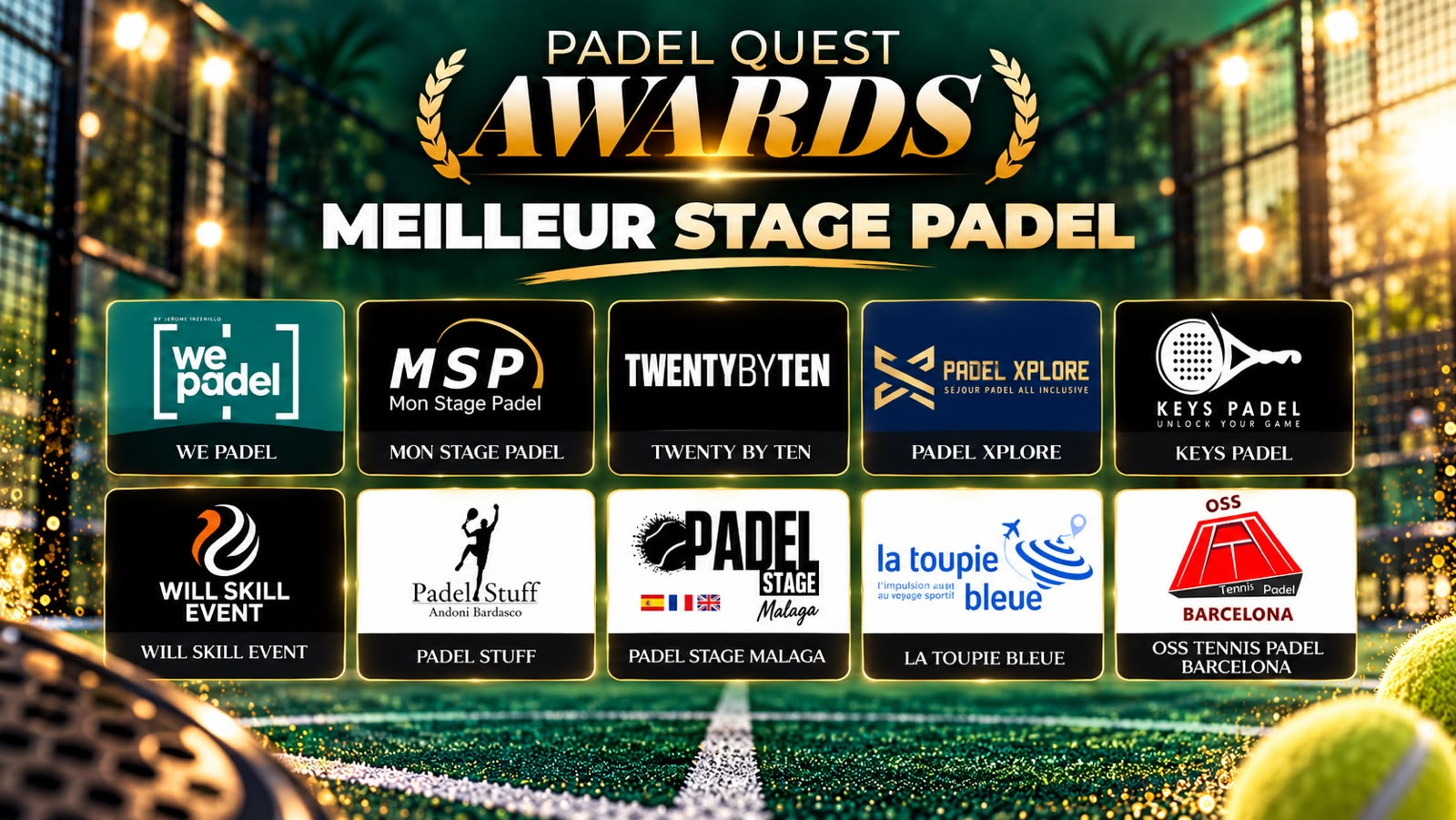 Padel Quest Awards: Ten specialists in the running for the title of best padel training camp of the year
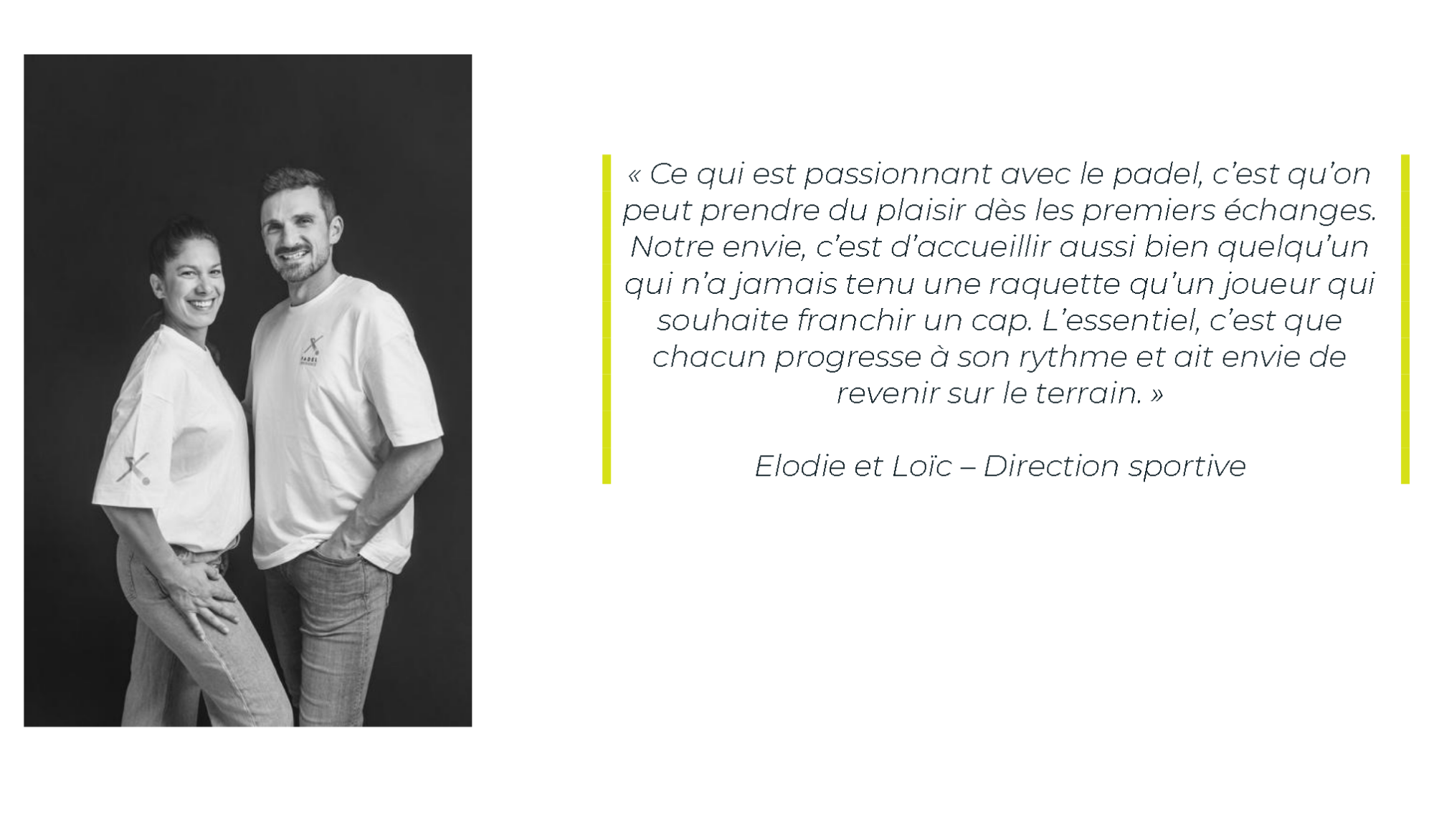 Padel Xperience: The Academy opens on November 2nd in Marcheprime, ahead of the complex's inauguration in 2027
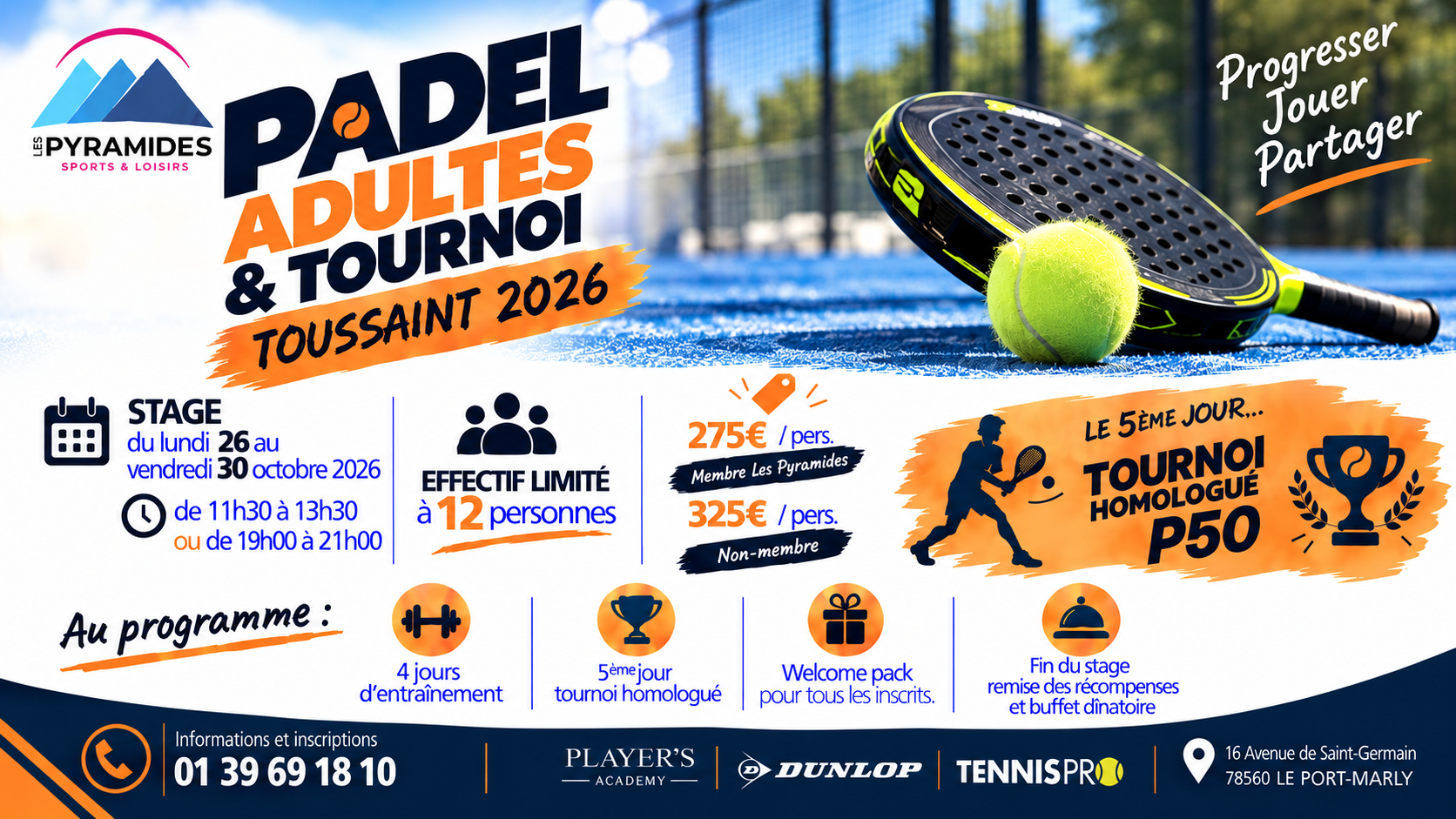 All Saints' Day – Les Pyramides are organizing a padel training camp for adults with a P50 tournament to close out the week