

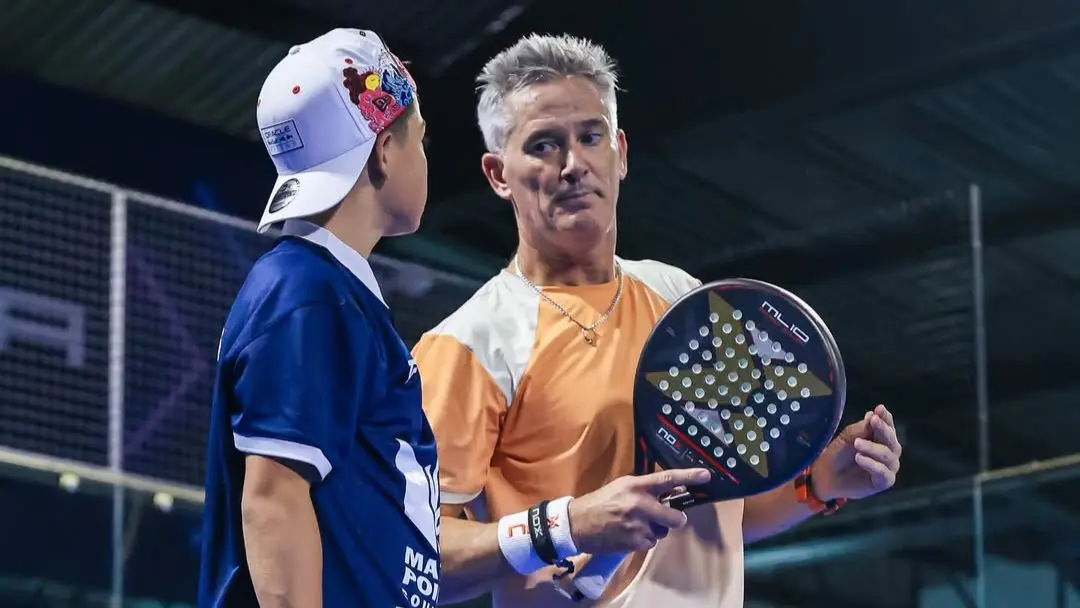








More and more scientific studies show that the regular practice of certain racket sports is associated with a higher life expectancy . Among them, the paddle occupies a special place: a complete, stimulating and social activity, it could well be one of the secrets to living longer and healthier.
When padel also stimulates the brain
Dr. Daniel Amen , a world-renowned specialist in neuroscience applied to brain health, emphasizes the particular impact of padel on the brain. According to him, this sport activates essential areas such as the cerebellum , which only represents 10% of brain mass but shelters almost half of the neurons .
"If you activate the cerebellum, you turn on the rest of the brain," he explains.
Padel, combining hand-eye-foot coordination et permanent anticipation , thus transforms into a real "aerobic chess" , combining reflection and physical effort.
Studies that confirm the trend
A vast research work carried out by the University of Glasgow On nearly 90 participants , showed that racket sports practitioners benefit from a significantly higher life expectancy to those who favor other disciplines. To be even more specific, this research also mentions the positive impact on cardiovascular diseases in particular.
Unlike sports where strength or endurance dominate, padel requires a mixture of strategy, agility and constant coordination . This intense cognitive stimulation could contribute to slow down brain aging and promote a longer and better quality life .
The American Dan Buettner , a specialist in longevity and the famous “blue zones”, agrees: “ People who live the longest are those who play racket sports " For him, the effect is even more powerful when accompanied by a strong social dimension , as is the case in padel.
The importance of the social factor
Padel has a strength that few sports can claim: its collective dimension . Played in pairs, it encourages the communication, cooperation and sharing Unlike tennis, where one can feel the player's loneliness, here human interaction is at the heart of the experience.
Many experts believe that this social link , associated with physical effort, improves the Mental Health , fight the solitude and strengthens the general well-being . So many essential elements that contribute to the longevity equation.
Simple practice and rapid progression
Padel also has a definite advantage over other racket sports: its steep learning curve . This allows people to all ages and levels to get started and enjoy the game from their first games, thus strengthening adherence and regularity in practice. However, in the long term, it is precisely this Constance which multiplies the physical and cognitive benefits.
Thus, through the demands it places on the body and the stimulation it provides to the mind, padel stands out as one of the most comprehensive activities for living longer and healthier lives . It associates physical effort, brain activation, social interaction and pleasure . It is therefore not surprising that this sport has gone from being a confidential practice to global phenomenon . And with such arguments, the padel fever could well be also a bet on longevity .
He discovered padel in 2016 in Nantes and quickly became attached to the game, even climbing to 474th place in France. Commentator on Padel Mag TV, he covers the various tournaments on the French circuit as well as international tournaments organized in France!









































 Blanqué / Joris: a mastered P3000, a first title and a delightful anecdote with Chingotto
 Claudia Fernández: at 20, much more than a playmaker
 Lebrón joins Sanyo with 42 titles, Claudia Fernández continues her climb: the ranking of the most decorated players in history
 P1000 A PADEL: €1,500 prize money and a One Point Match in Thuir from November 27th to 29th
 Libaak / Alfonso: why they want to continue together in 2027
 “My vision was blurry”: Clara Mansart recounts her eventful P3000 final – Lucile Pothier will tackle the FIP in France in 2027
 Dubai P1 – Fernández / Calvo: “Any of the three best pairs could be world number 1”
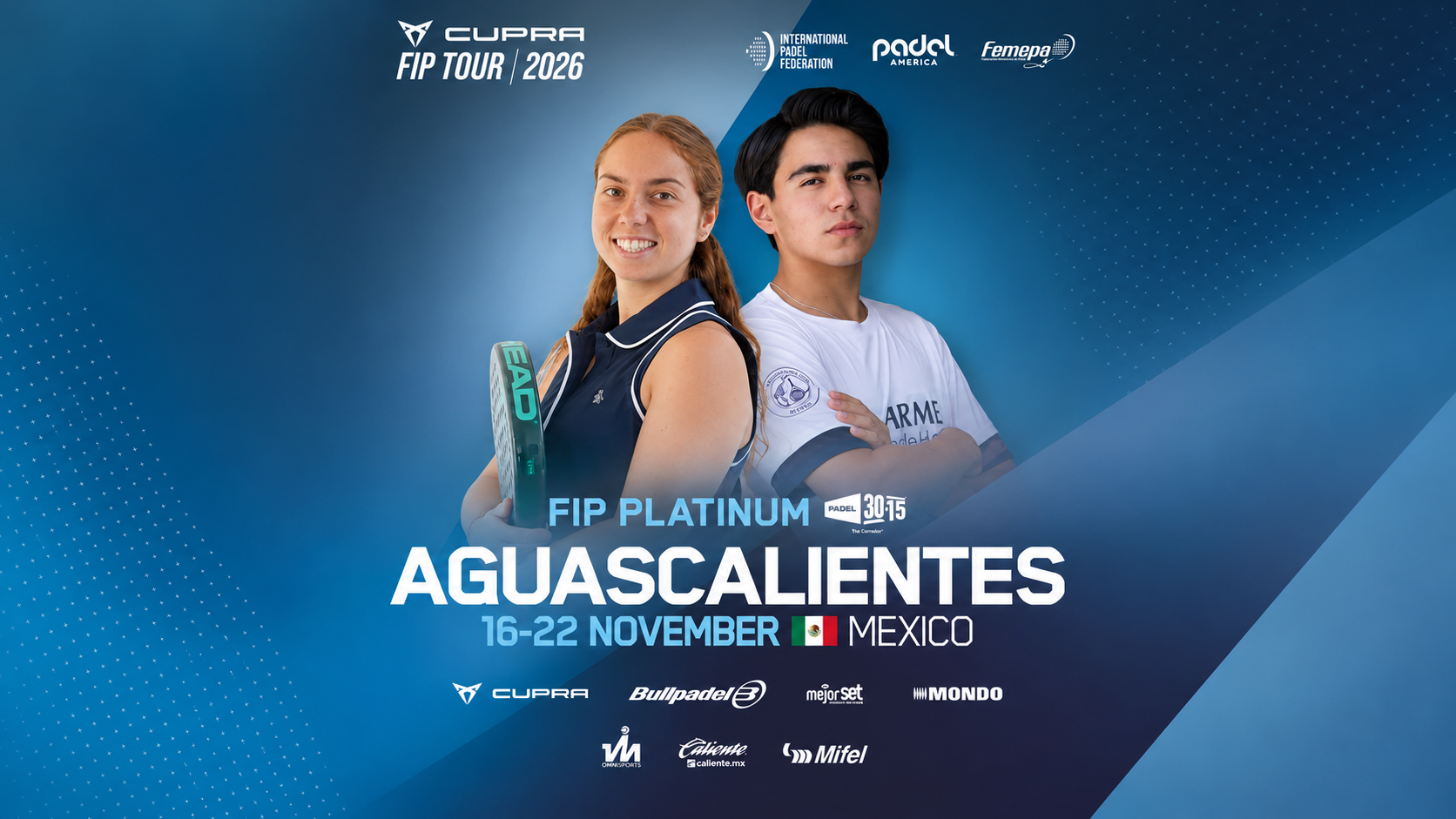 Guichard faces a major challenge, Fonteny and Bahurel have opportunities in the first round of the FIP Platinum Aguascalientes
 Claudia Fernández: at 20, much more than a playmaker
 Alfonso, Nieto, Libaak, Salazar… Who will snag the last tickets for the Premier Padel Finals?
 FIP Rankings – Alfonso enters the world's top 16, De Pascual and Abbate make a leap in the rankings
 Padel, weight training, and even HYROX: clubs are changing their model
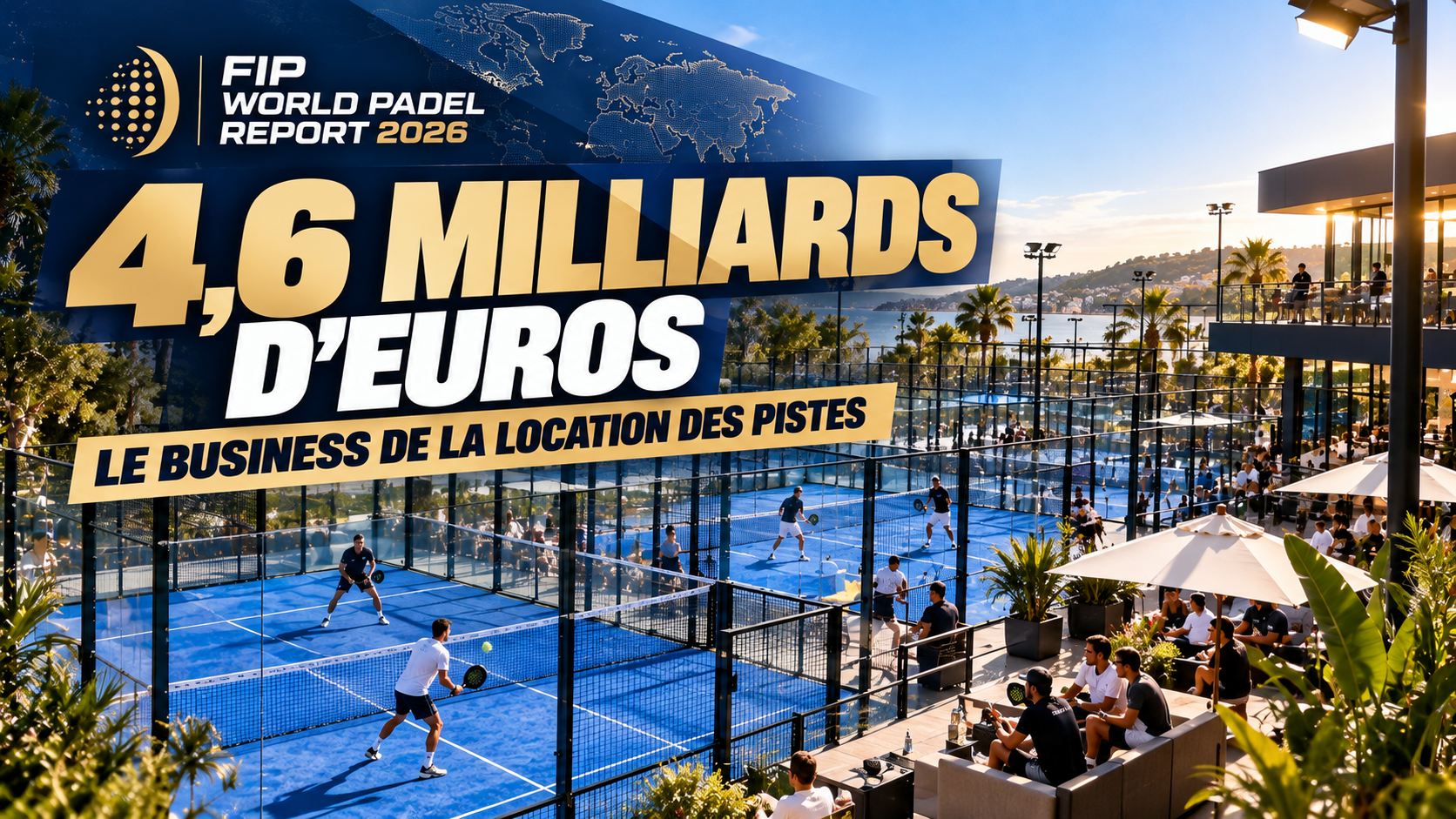 Padel court rentals: a global market estimated at 4,6 billion euros
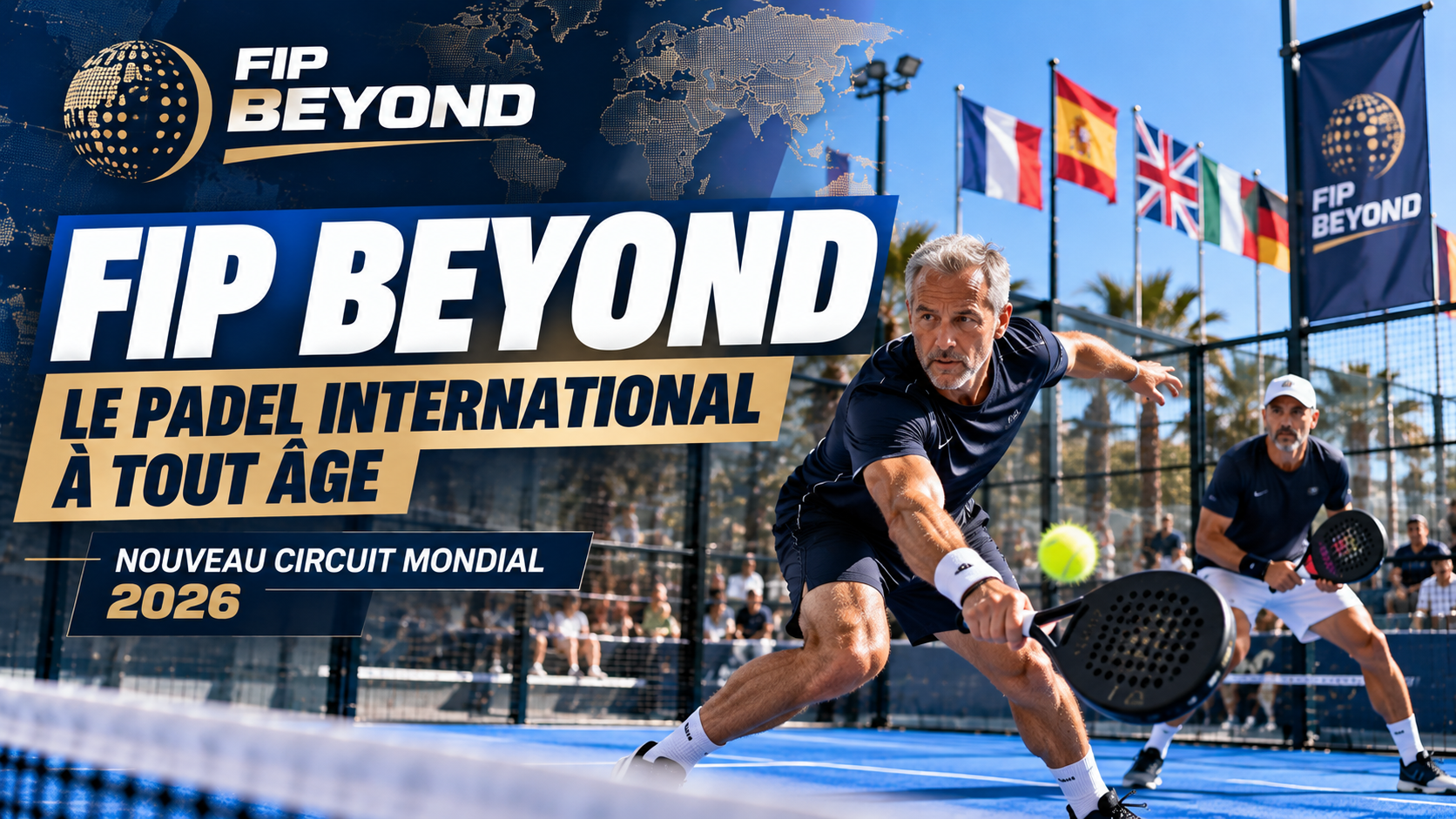 FIP Beyond: the new global padel circuit for amateurs and seniors
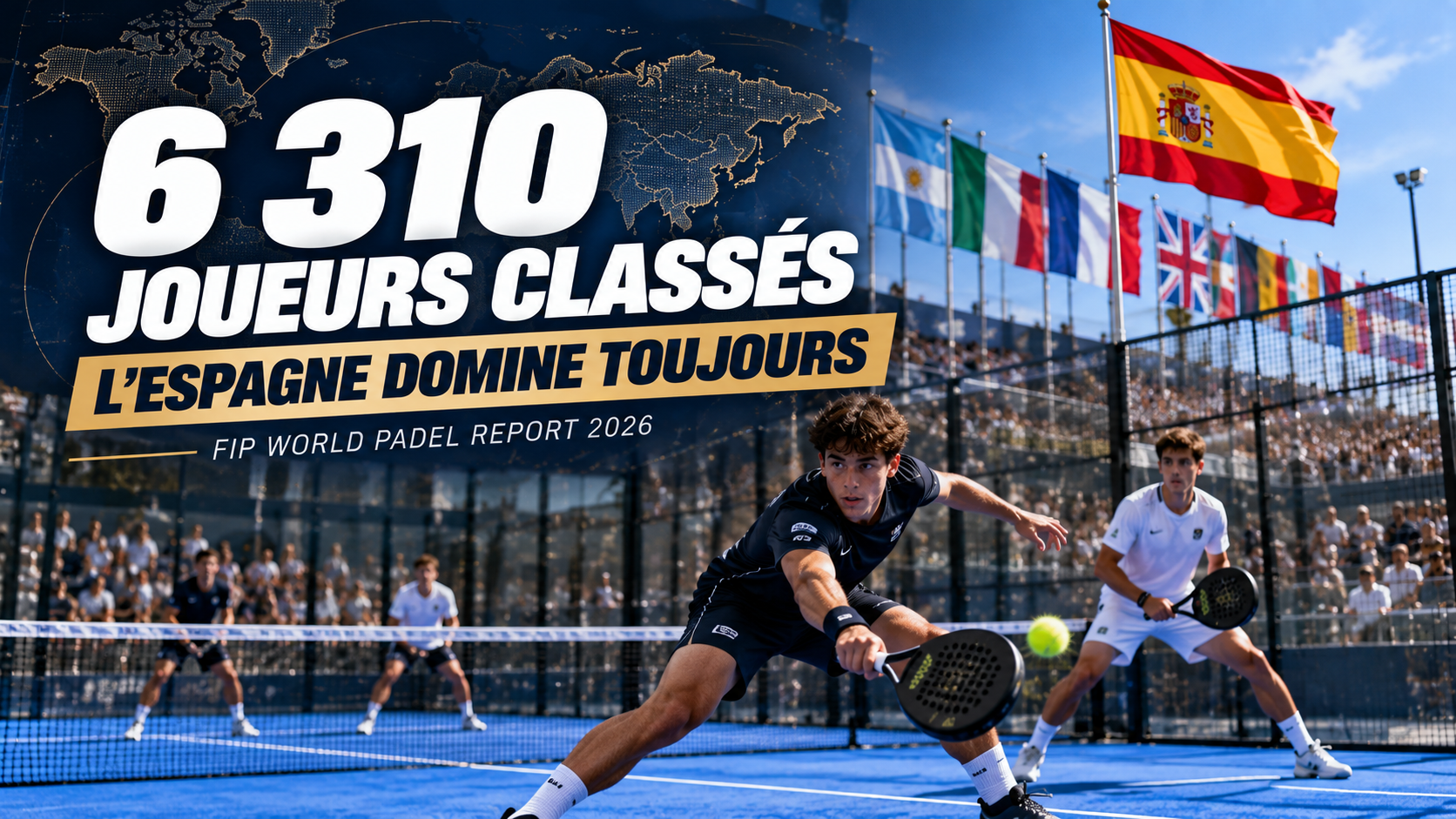 More than 6,300 FIP-ranked players: professional padel is becoming international, but Spain dominates
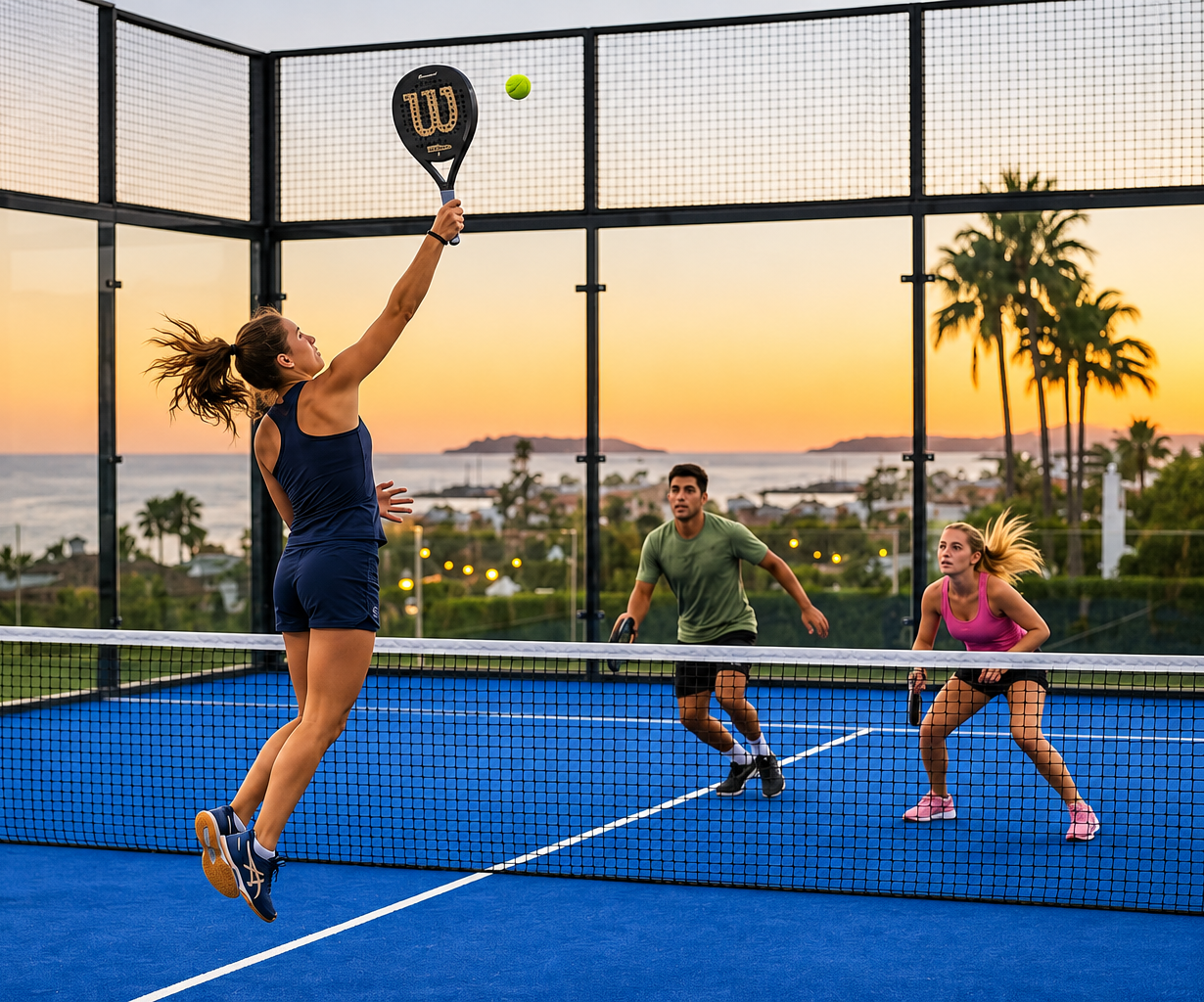 OSS Barcelona – Why Spain and France aren't yet playing in the same league
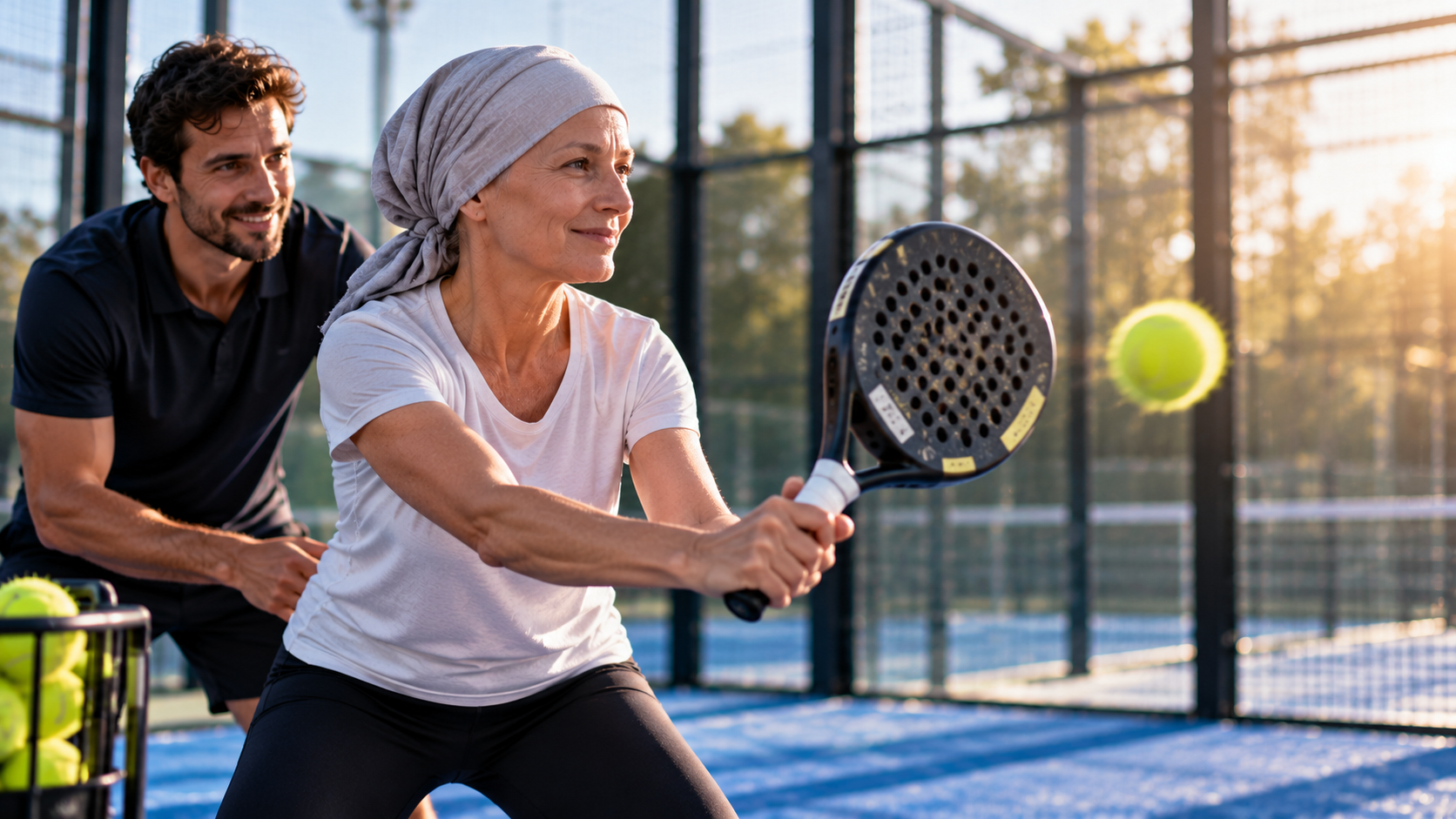 Cancer and rehabilitation: could padel become a therapeutic tool?
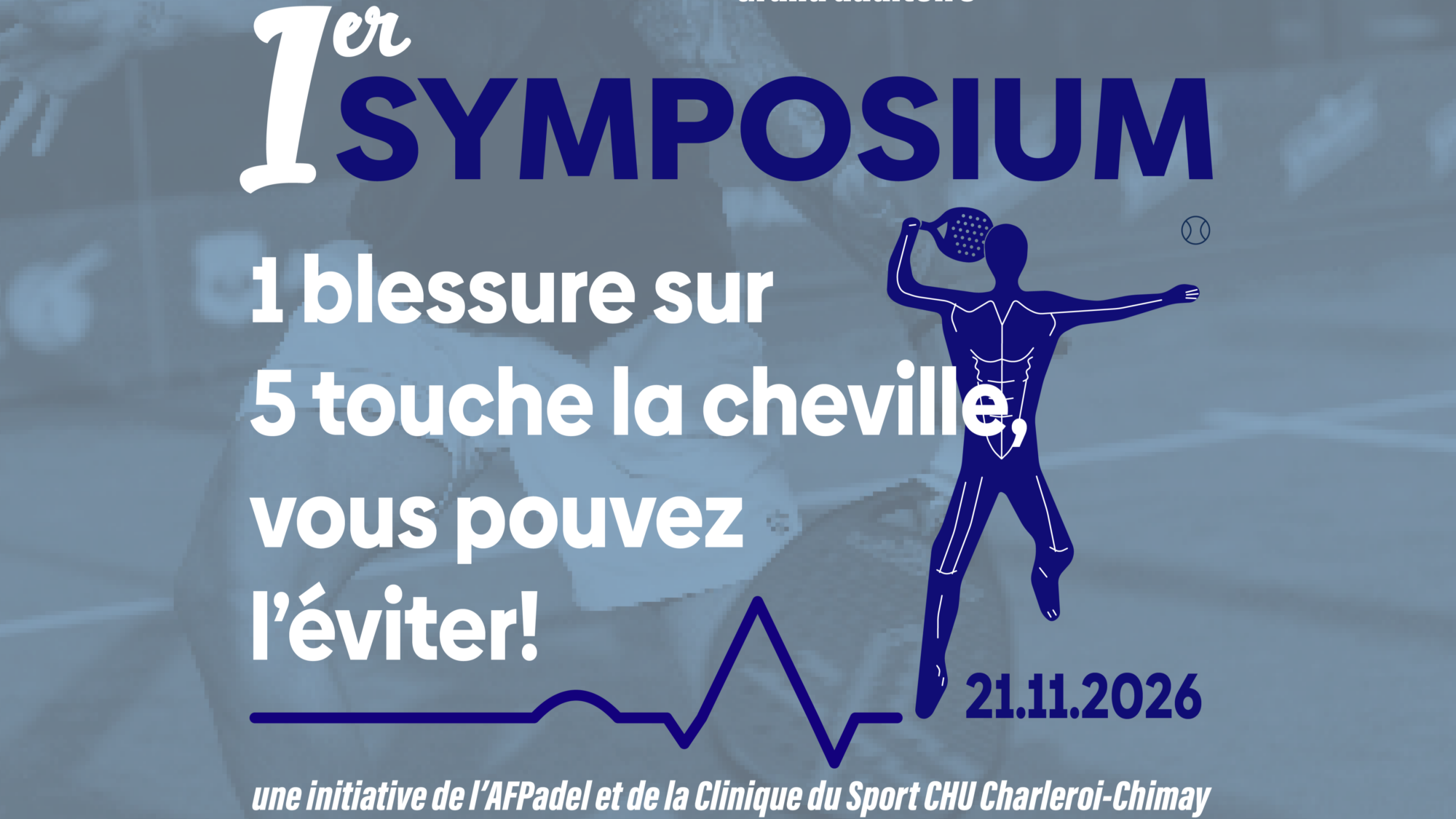 Padel injuries: ankle, knee, elbow, eye… what the latest figures reveal
 Shocking turn of events at Dubai P1: Coello and Tapia have also withdrawn!
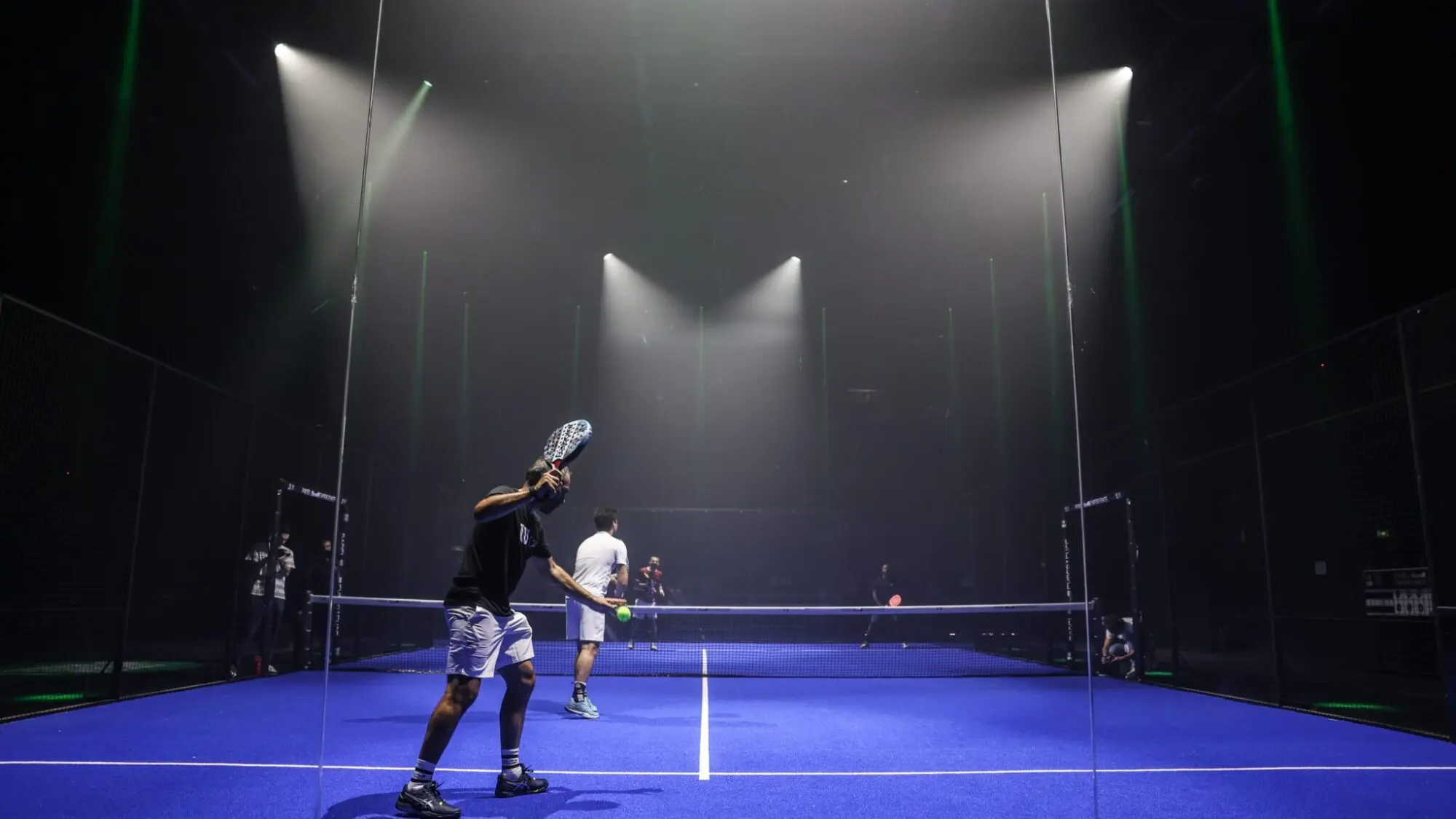 Padel serve: a good serve is especially good preparation for the third shot.
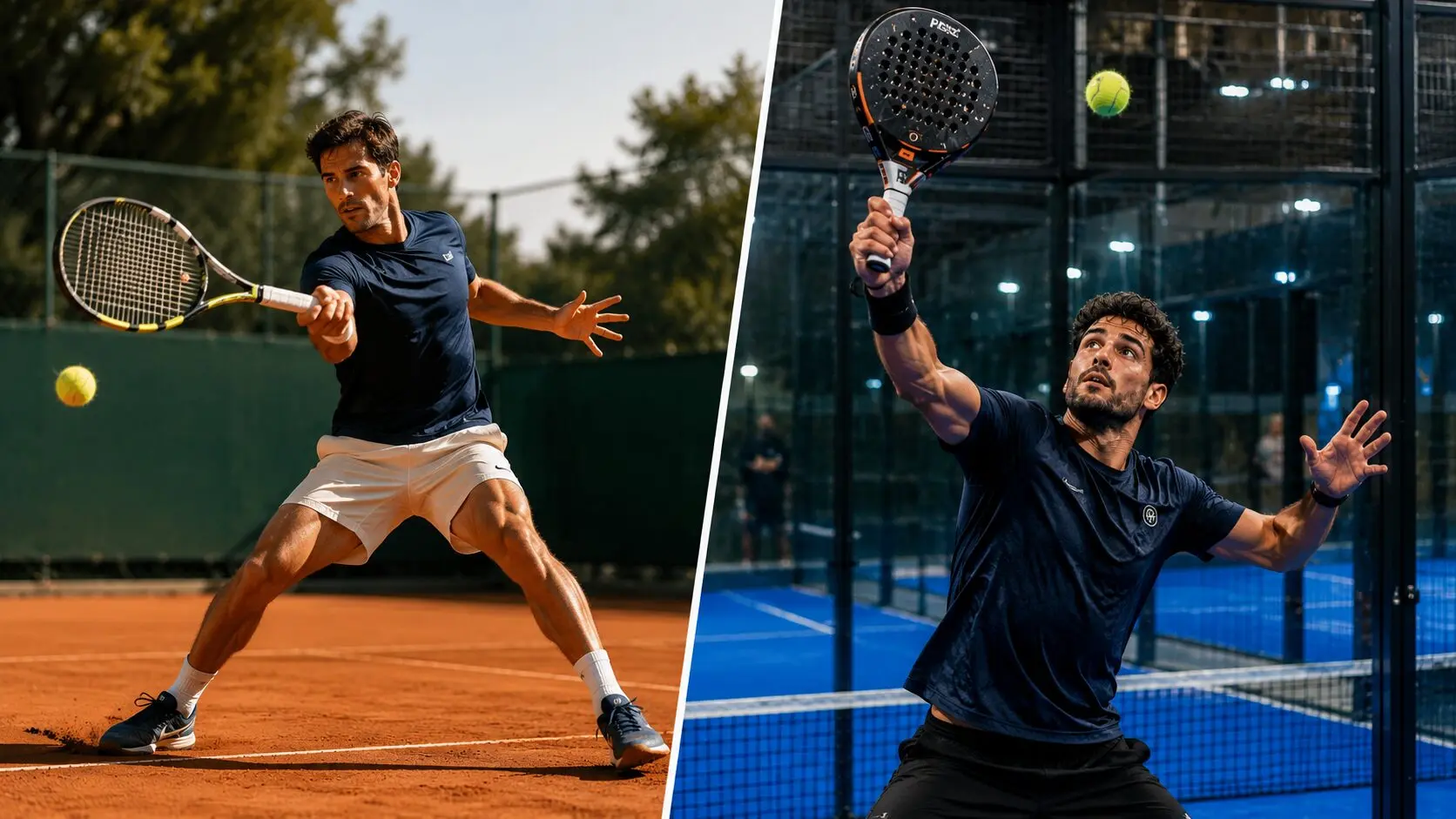 What the analysis of the stroke reveals: tennis forehand vs. padel bandeja
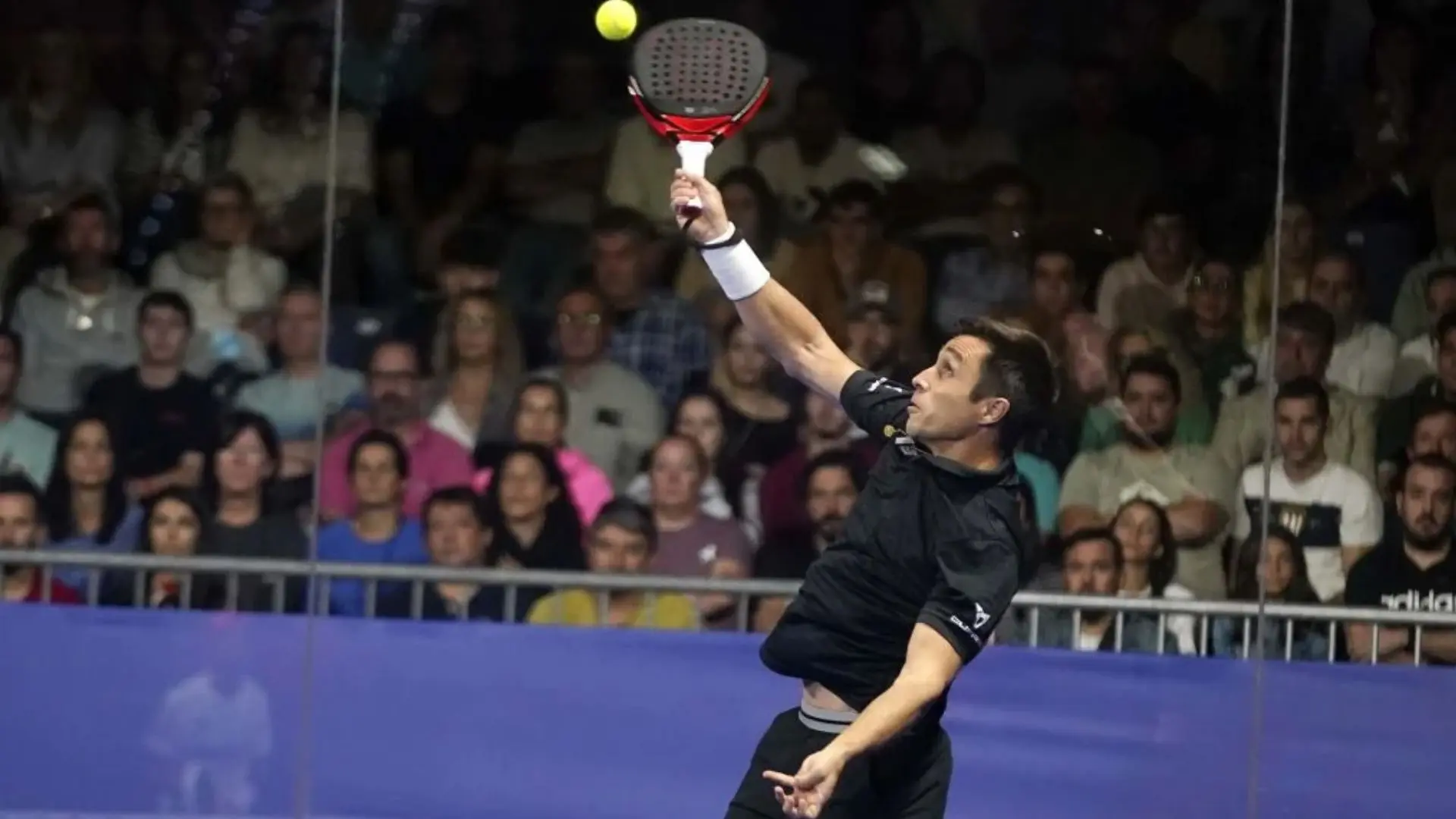 Has the bandeja disappeared from modern padel?
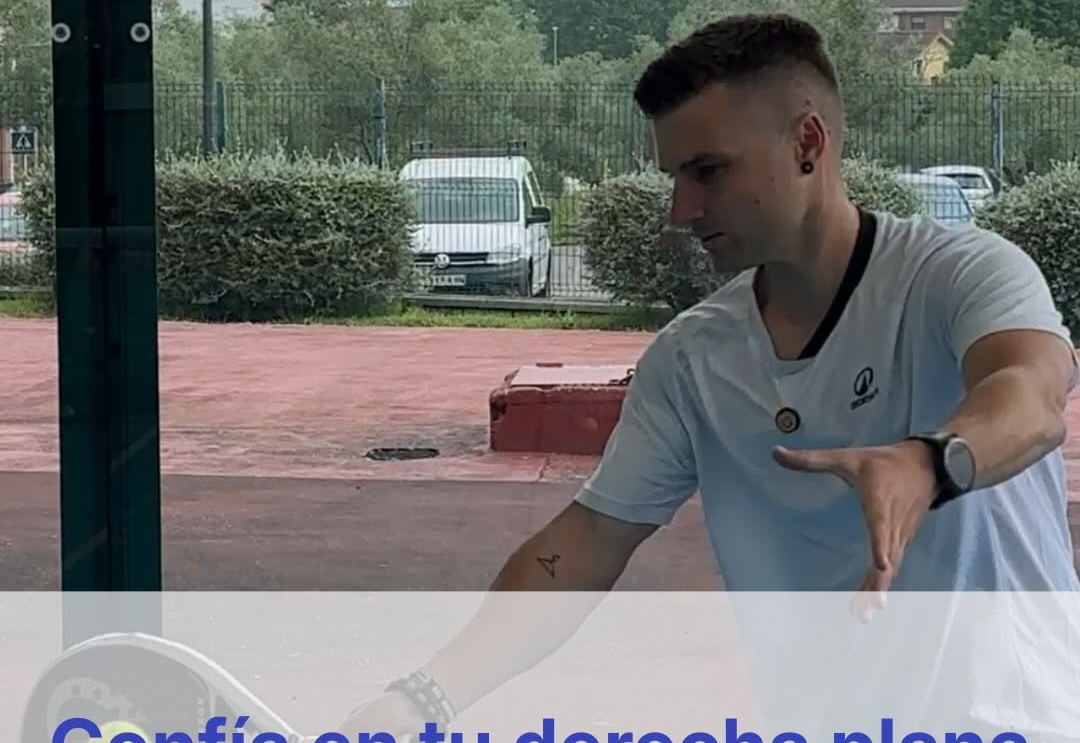 Flat forehand in padel: 5 exercises from Cristian Álvarez to gain control and efficiency
 Why can Libaak/Alfonso beat almost everyone… except Coello/Tapia?
 Tapia reveals his recipe for beating Coello / Tapia: "I would bet everything on myself"
 How Coello defused Chingotto's game plan
 In padel, does the chemistry between a pair count as much as individual skill?
 Organising a national padel competition: what are the FFT's requirements for clubs?
 Organising a P2000 or a P3000: how much does it really cost clubs?
 P2000 or P3000: what are the differences in prize money, format and organization in 2028?
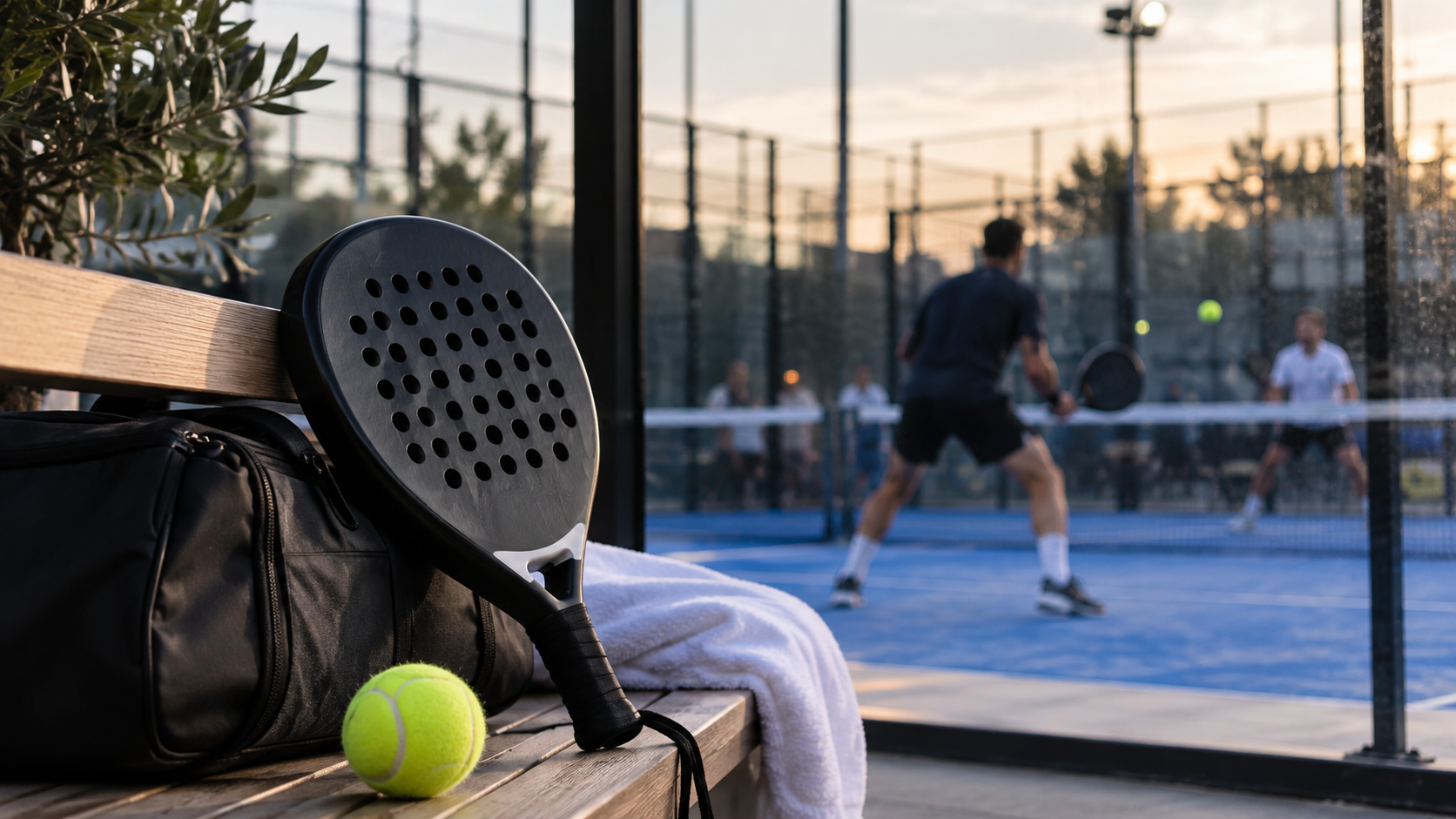 Do you lose your ranking? Padel FFT after more than a year without a license / without competition?
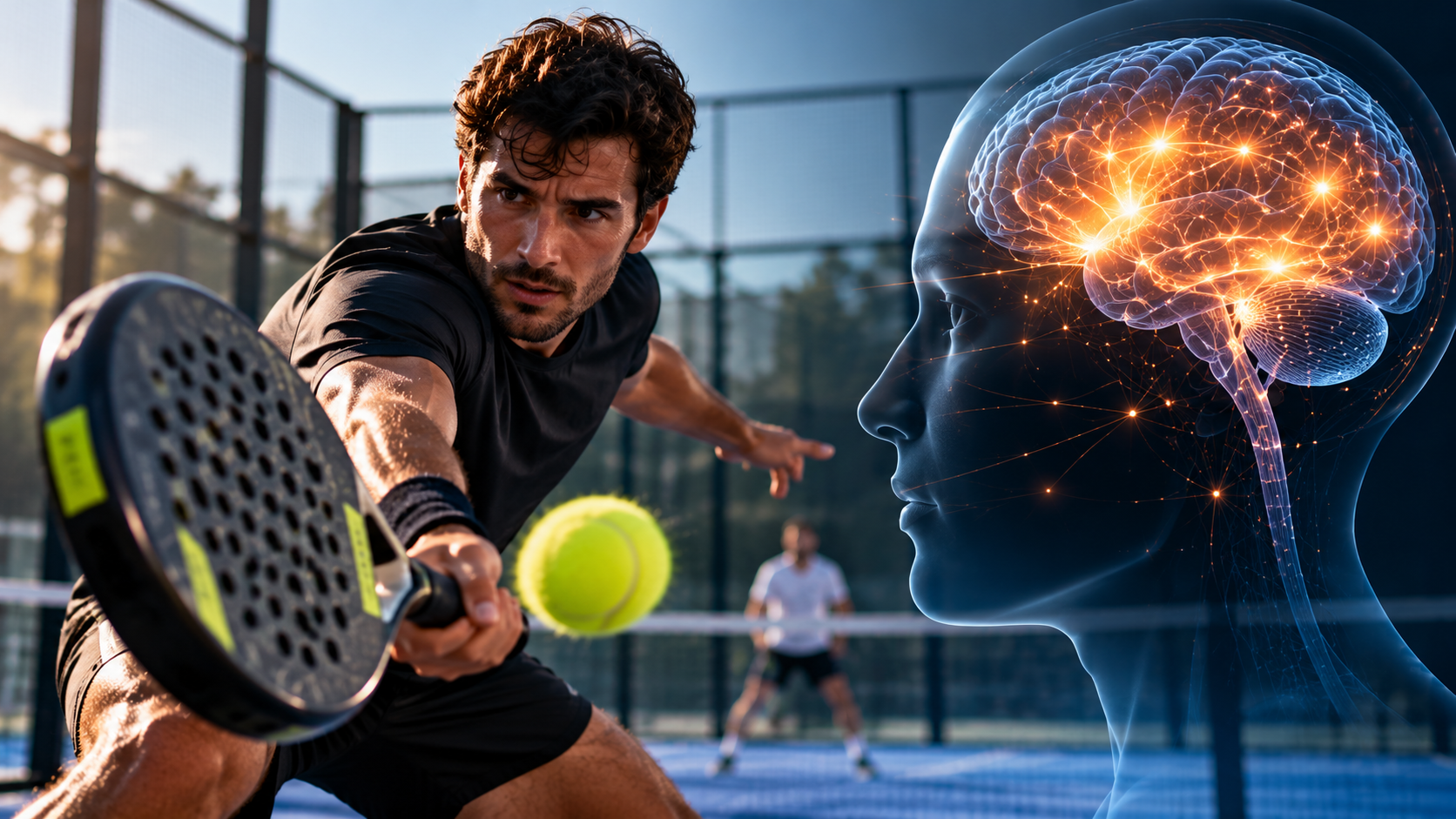 Memory, reflexes, concentration: what happens in our brain when we play padel?
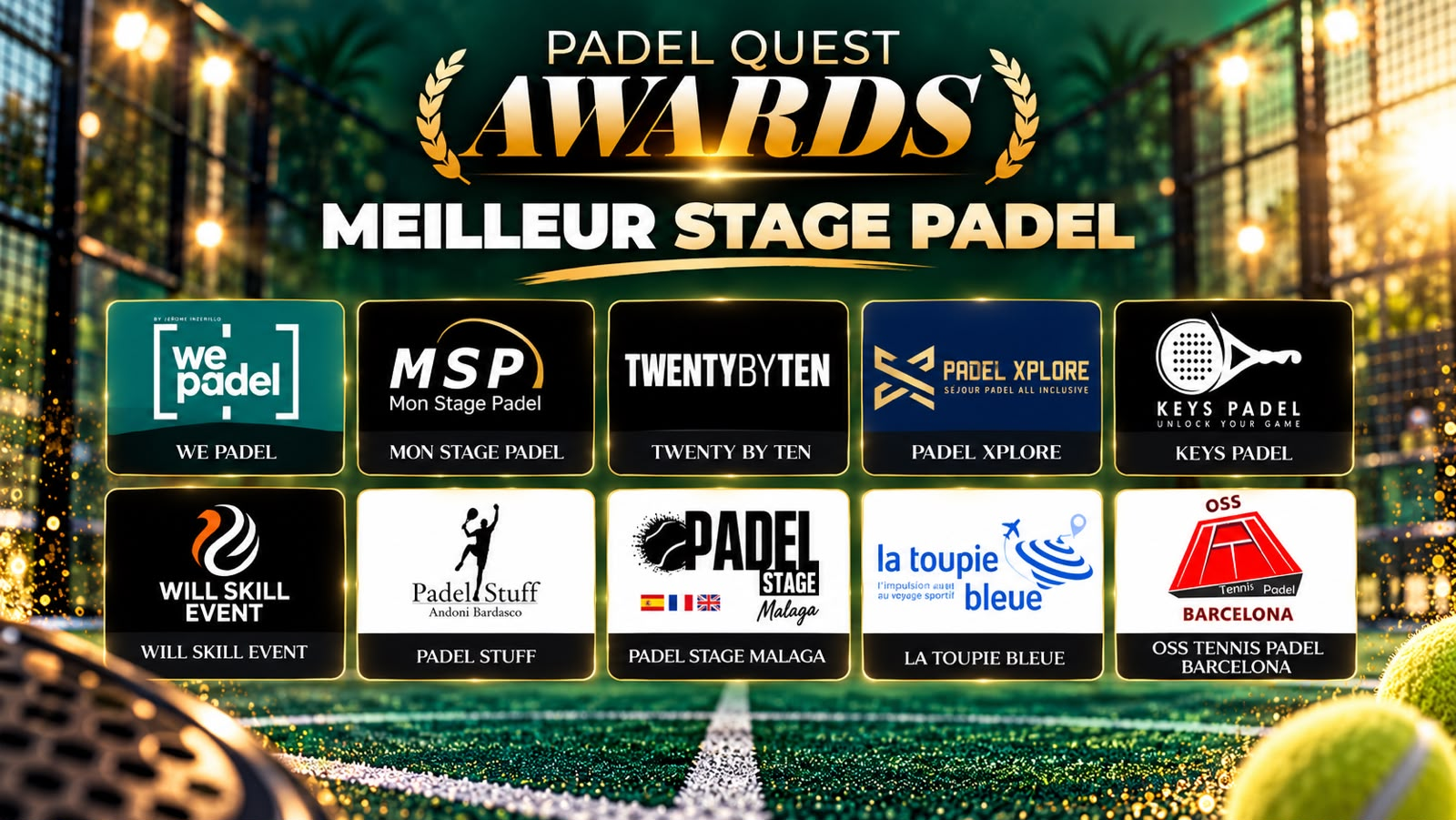 Padel Quest Awards: Ten specialists in the running for the title of best padel training camp of the year
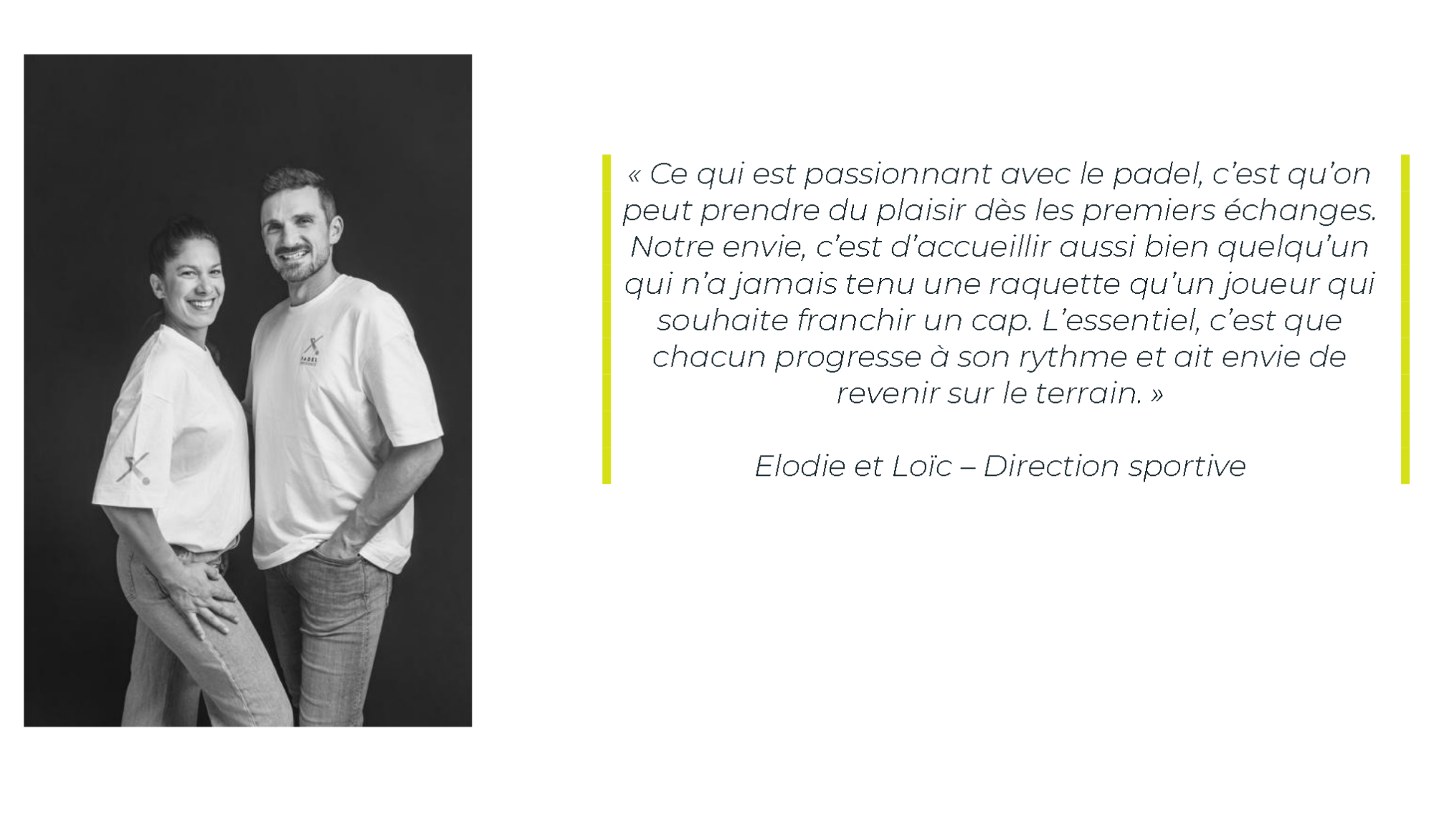 Padel Xperience: The Academy opens on November 2nd in Marcheprime, ahead of the complex's inauguration in 2027
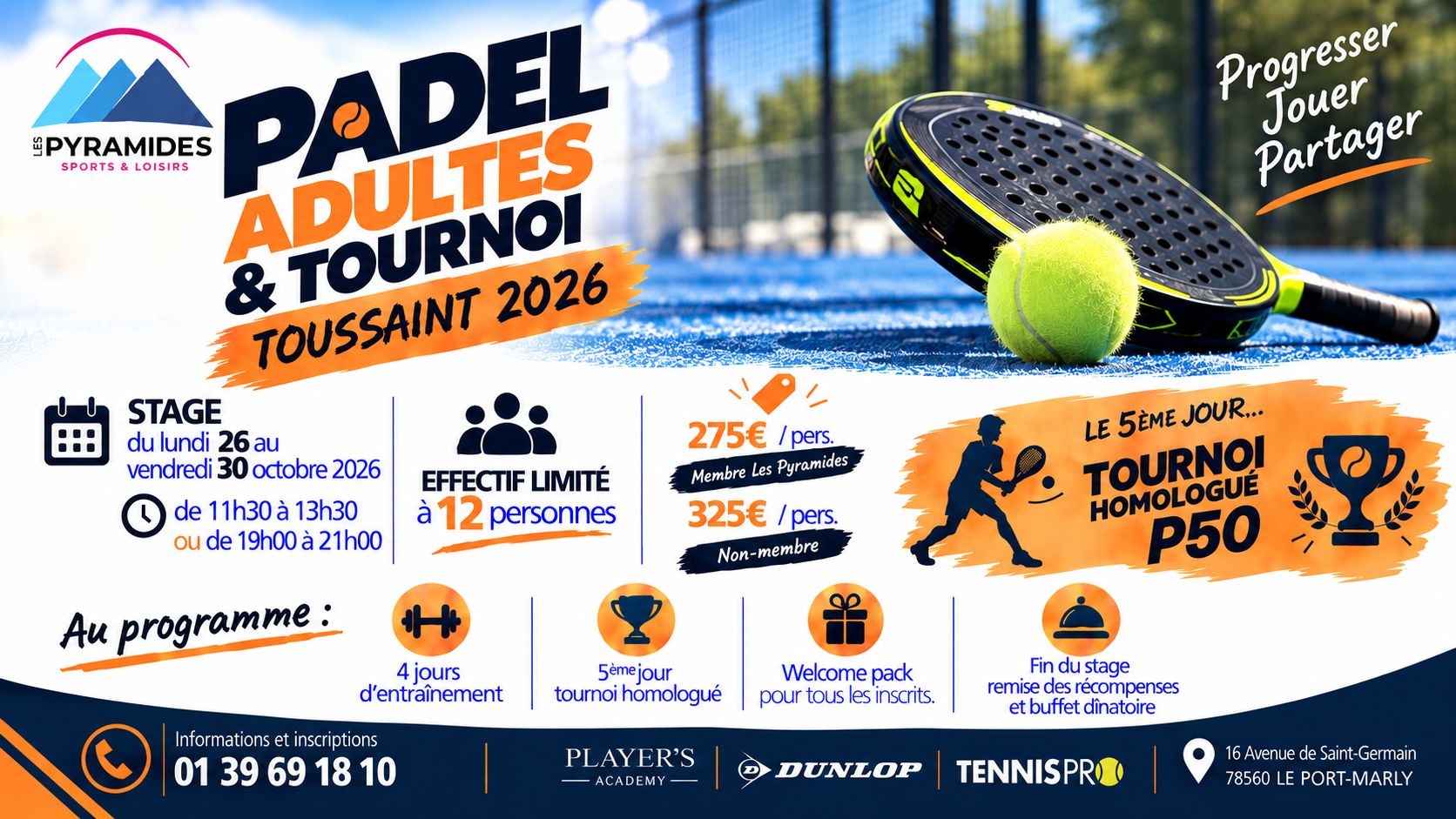 All Saints' Day – Les Pyramides are organizing a padel training camp for adults with a P50 tournament to close out the week