81,000 spectators, a packed Philippe-Chatrier stadium for the finals weekend, a historic run by Thomas Leygue, and a men's final decided by a third-set tiebreak: the Alpine Paris Major 2026 has reached a new milestone. A few minutes after the final, tournament director Arnaud Di Pasquale outlined his thoughts. Padel Magazine The results of this fifth edition. Profitability, development of the Padel Festival, weekday attendance, the place of the French, or even possible evolution of the finals format: he is already looking ahead.
"We're in the finals of Grand Chelem »
The final image of this 2026 edition will undoubtedly have been very important. Agustín Tapia and Arturo Coello have won their fourth consecutive Paris Major by dominating Federico Chingotto and Alejandro Galán 6/3 4/6 7/6(1) , after trailing 5-2 in the deciding set. A suspenseful scenario that gave the tournament the hoped-for conclusion.
For Arnaud Di Pasquale, this final illustrates the dimension now taken on by the Parisian event.
"We're in the finals of Grand Chelem »
The tournament director particularly emphasizes the image of a Philippe-Chatrier full and on a demand that arose earlier than in previous editions.
"We knew we were at a turning point. Now we've turned it around. It's fantastic to see this. This appeal, whether in terms of spectators or partners, is felt more and more each year."
This observation is based on a now official figure: 81,000 spectators attended the Alpine Paris Major 2026 , a record for the event. Premier Padel confirmed this attendance at the end of the tournament.
Beyond the number of visitors, Arnaud Di Pasquale confirms above all a significant development on the economic level.
When asked about the tournament's ability to break even after several years of investment, he replied:
"We can say that. [...] Getting out of the red zone is important."
A symbolic step for a tournament launched in 2022 , at a time when installing padel at Roland-Garros was still a gamble.
“When we decided to embark on this completely crazy adventure […] there were only a few of us, but we believed in it very strongly. And five years later, the journey we’ve made is incredible.”
For Di Pasquale, the progress isn't solely due to the increase in spectator numbers. The tournament has gradually built his own identity , around the Philippe-Chatrier stadium but also with activities, from the Garden Padel and now from Padel Festival.
"I think it also took us some time to find the right formula. Today, I feel like we've got it."
The next challenge: to fill Roland-Garros more on Thursday and Friday
The weekend is therefore no longer the main problem. The objective now is to increase attendance earlier in the week .
"Now, we're going to set goals to go even further, to have more people on Fridays, more people on Thursdays, more people on Wednesdays. It needs to have a ripple effect."
Arnaud Di Pasquale even sets a first course:
"The next step is to fill the venue on Friday, and to have more than 10,000 people on Thursday."
To achieve this, the organization plans, in particular, to further develop the logic after work The observation is pragmatic: French padel has not yet reached a level of maturity that would allow it to fill Roland-Garros in the middle of the day at the beginning of the week.
“Today, I don’t think we’re mature enough in France to take a day off and come watch padel at Roland Garros. […] Maybe in 5, 10, 15 years.”
Le Padel The festival should return
Another identified project: the Padel Festival , launched for the first time at the opening of the tournament.
For Di Pasquale, this day goes beyond the mere event itself. It should serve as a gateway to padel for a wider audience.
"This day is designed for that. It's even a day with an almost federal dimension, meaning development. We really want to promote padel through this day."
With prices announced at 20 euros for adults and 10 euros for children with activities and courts also allowing practice, the principle is to attract spectators who are not necessarily regular padel consumers.
A second edition already seems very likely. When asked directly about its return in 2027, the tournament director replied that there is "very good chances" .
But the format still needs to improve: Garden animations Padel, flow management, queues or even organization of the different key moments.
"Padel is a kind of laboratory. We try lots of things, we do a lot of things, we experiment. Sometimes we succeed, sometimes we fall flat on our face, we get back up, but we learn every time."
Thomas Leygue, proof of the importance of a Frenchman in the painting
This edition also provided an important sporting lesson for the organization: The presence of a Frenchman capable of going far immediately changes the atmosphere of the tournament .
Having come through the qualifiers with Jesús Moya, Thomas Leygue became the first Frenchman to reach the round of 16 of a Major in the men's category. After four victories in the tournament, his run ended against Franco Stupaczuk and Jon Sanz, the No. 4 seeds. 7 / 5 6 / 3 .
Di Pasquale especially remembered the connection created between the French player and the Philippe-Chatrier crowd.
"Thomas, he went for it. He's someone who connects with the public. So he brought people together, he united them around him. It was fantastic."
According to him, the performance probably did not directly lead to an increase in ticket sales, but its impact on the atmosphere was evident.
"The atmosphere, the ambiance, it was crazy. It was electric on the Philippe-Chatrier pitch when he played."
And the tournament director is already imagining what Roland-Garros could become if a Frenchman were to establish himself permanently in the later rounds:
"If we have French players reaching this level of competition, the Chatrier arena will be buzzing."
Finals played as best-of-three sets? Di Pasquale isn't convinced.
The possibility of Major finals being played in a longer format was also mentioned during the interview.
Arnaud Di Pasquale is not completely closing the discussion.
"We can open up the discussions. Why not discuss them? Why not talk about them?"
But in the current configuration of the Paris Major, with the two finals scheduled for the same day He does not consider this development a priority.
His reasoning is that of a spectator: even when a first final is quick, the ticket gives access to both matches and already represents several hours spent in the stadium.
"We're still spending from 14 p.m. to over 19 p.m. in a stadium. That's already a lot. So in that situation, I'm not sure."
The thinking might be different, however, if the women's and men's finals were ever separated, as in the tournaments of the Grand Chelem tennis.
Di Pasquale defends women's padel after a one-sided final
The difference between the two finals on Sunday finally fueled the debate. Ariana Sánchez and Andrea Ustero dominated Claudia Fernández and Martina Calvo 6/2 6/0 in just 1h11 , before the men's final offered a much more unpredictable scenario.
For Arnaud Di Pasquale, drawing a conclusion about the attractiveness of women's padel from this single match would be a mistake.
“This week, I saw some absolutely crazy women’s matches. […] Yes, there was a disappointing final, missed by one pair mainly. But otherwise, it’s a match, there’s pressure, it’s very important, and we know what that’s like.”
He mainly points out that a one-sided final can happen in both women's and men's competitions.
"You can't judge based on one match. Yes, it's a final, and it's a shame because it's ultimately the most visible part."
The challenge for the Paris Major therefore seems to have changed in nature. It is no longer simply a matter of demonstrating that Padel can fill Roland-Garros during major events. The 81,000 spectators at the 2026 edition and a sold-out finals weekend have already provided part of the answer.
Franck Binisti discovered padel at the Club des Pyramides in 2009 in the Paris region. Since then, padel has been part of his life. You often see him touring France to cover major French padel events.

























































 FIP Tour: Changes among the French national team: why are the French increasingly watching foreign football?
 FIP Tour: Seurin / Joris, Boronad, Bahurel… French artists are meeting up all over Europe
 Godallier / Touly: a title, confidences and announcements that change everything…
 Sébastien Husser-Walther and Tony Boval: "The French are on the verge of reaching the Spanish level"
 Forcin/Joris at the end of the suspense: "We win because we get along extremely well."
 Bahurel/Pothier in the final: "Tomorrow, there will be an extra step up"
 Eric Largeron: "In some places, there are too many tournaments and perhaps too many clubs..."
 French Championships 2026: The good deals and the disappointments compared to the starting ranking
 2026 French Padel Championships: Results and Standings
 Düsseldorf, a showcase of a Germany where padel is accelerating
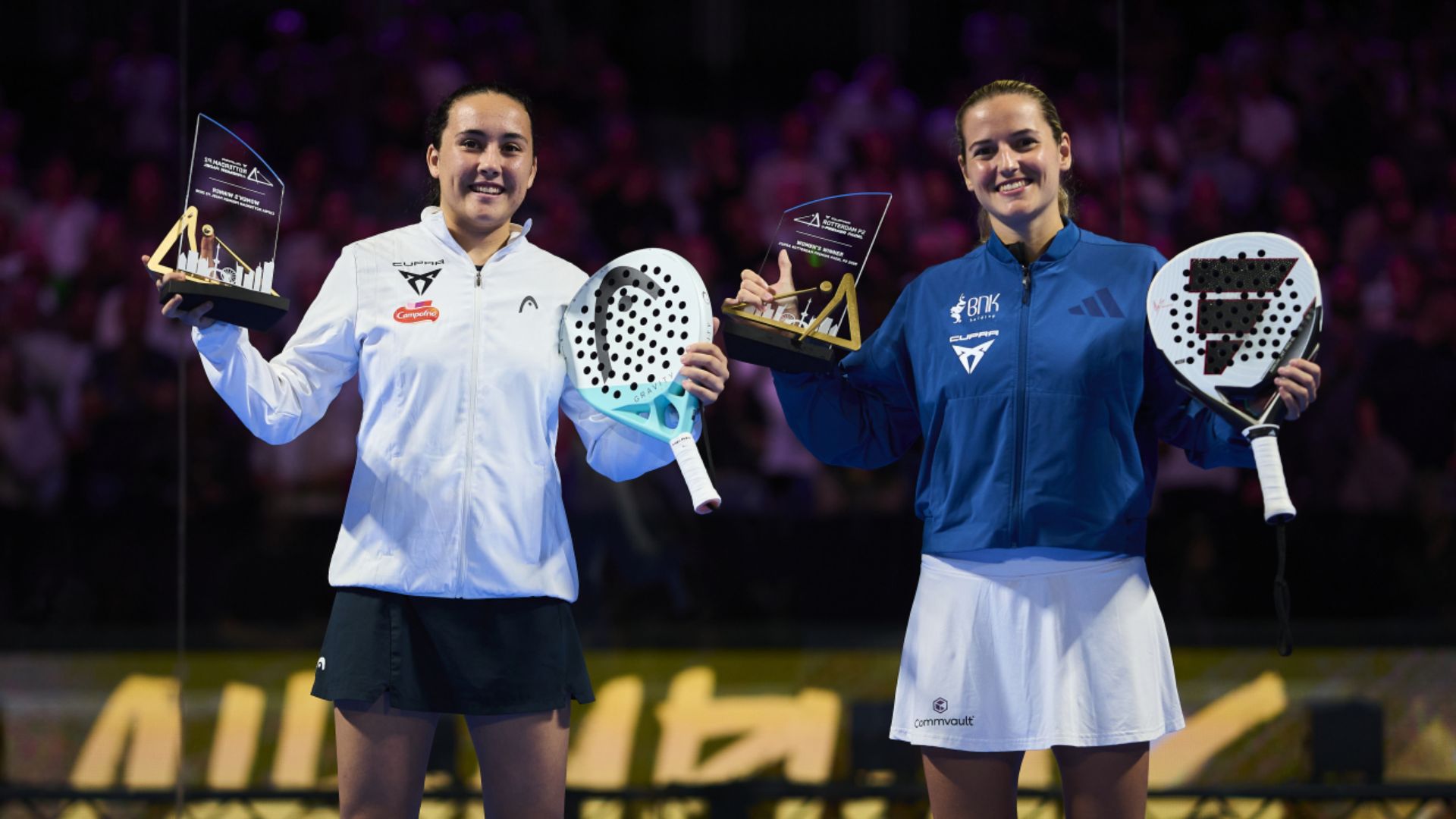 Sánchez/Ustero are only 160 points behind second place in the world: the end of the season could change everything
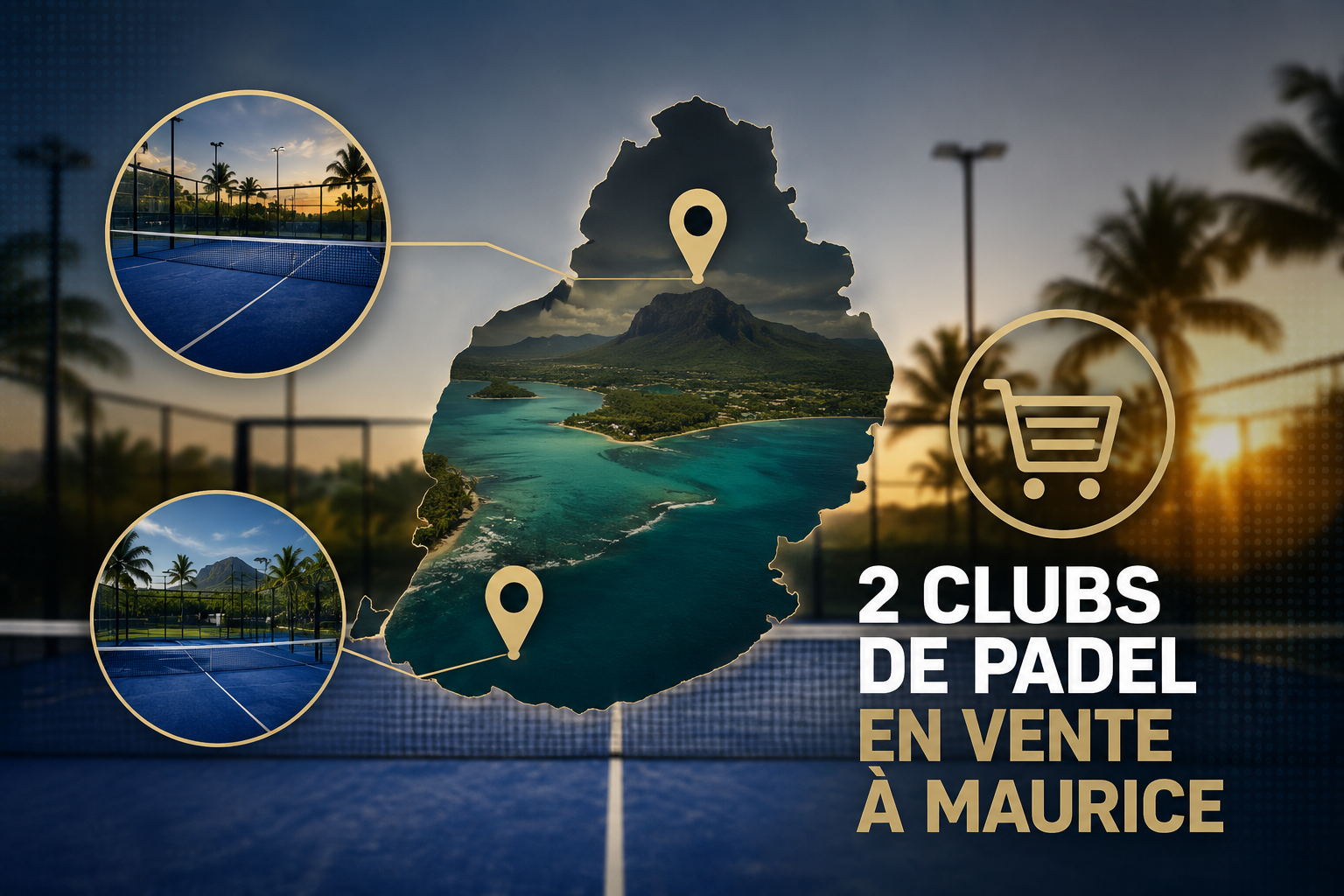 For sale: two padel clubs in Mauritius, starting from 330,000 euros
 How much does it actually cost to organize a FIP Bronze event?
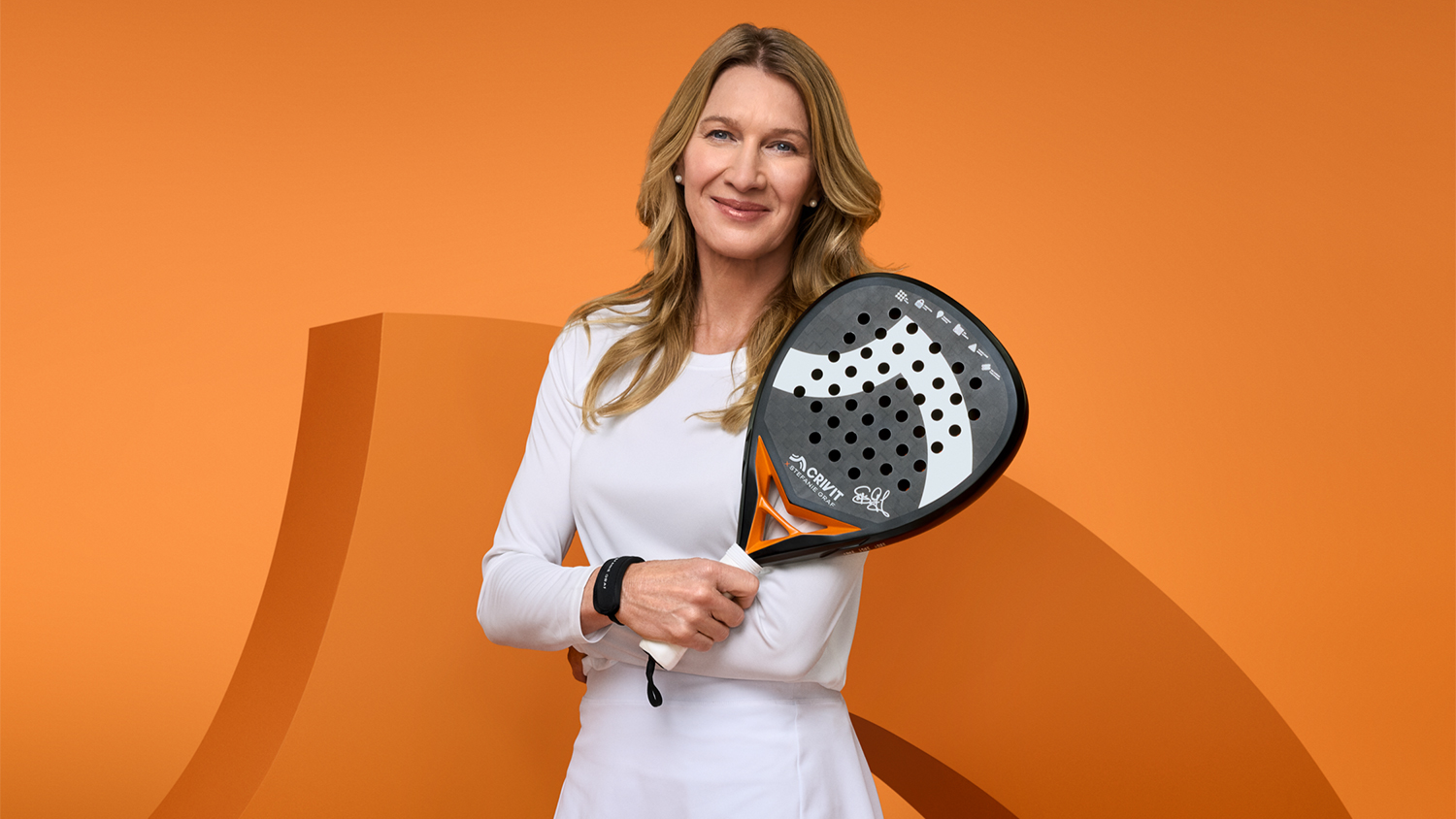 Padel How Lidl is transforming Crivit into a fully-fledged sports brand with Steffi Graf
 Compagnie des Alpes is accelerating its involvement in padel with PadelCity: a new step in its European strategy
 Coello with a player at 0 points ahead of two top 10 players: should the FIP ranking be reviewed?
 Les Pyramides: after 12 padel courts, the club is focusing on youth training
 Health Care Padel Tour 2026: What if your next padel tournament was played in Barcelona?
 FAST Padel Academy continues its development and establishes itself in Liège.
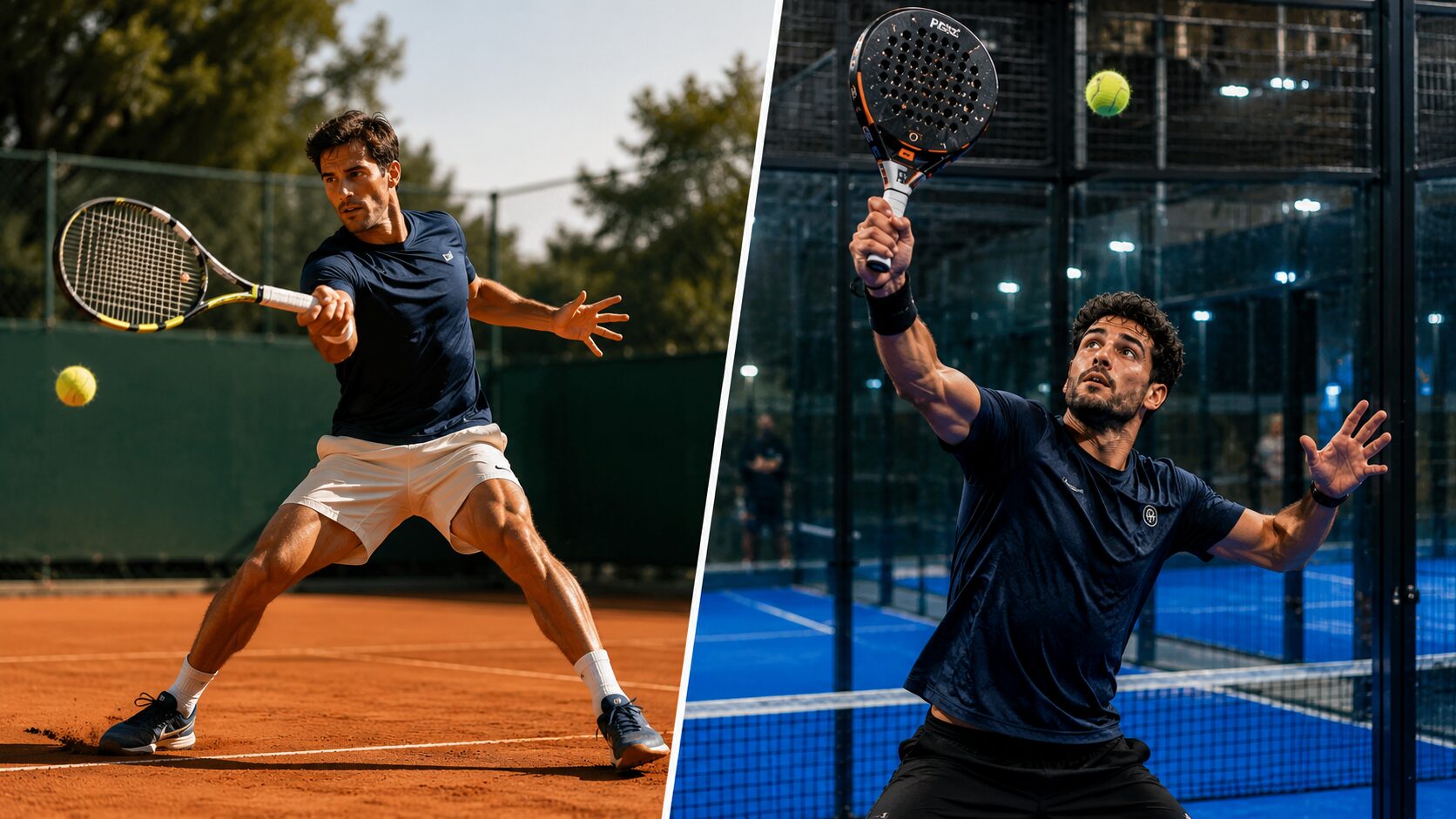 What the analysis of the stroke reveals: tennis forehand vs. padel bandeja
 Has the bandeja disappeared from modern padel?
 Flat forehand in padel: 5 exercises from Cristian Álvarez to gain control and efficiency
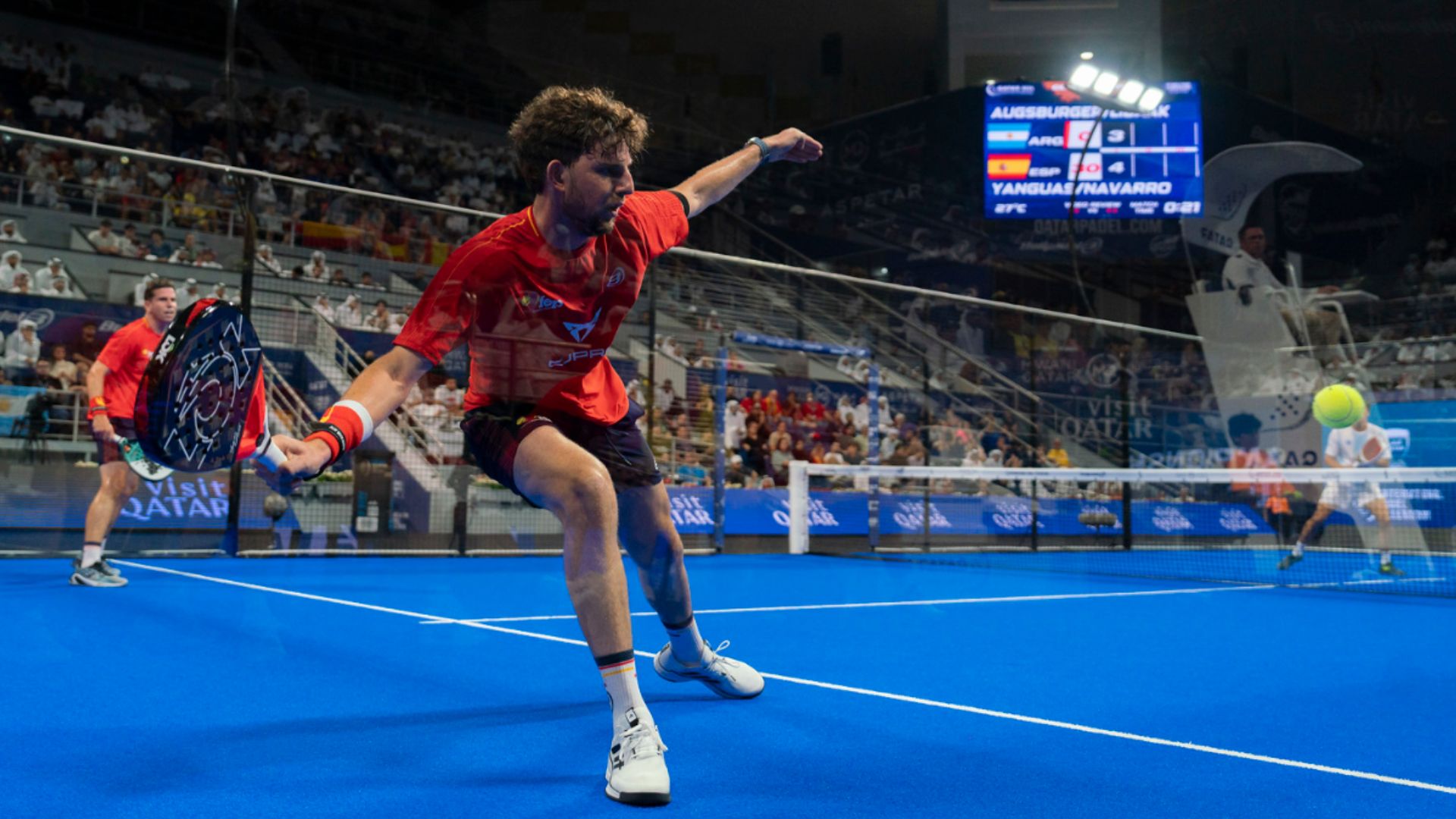 Why knowing how to play on the right and left can make all the difference
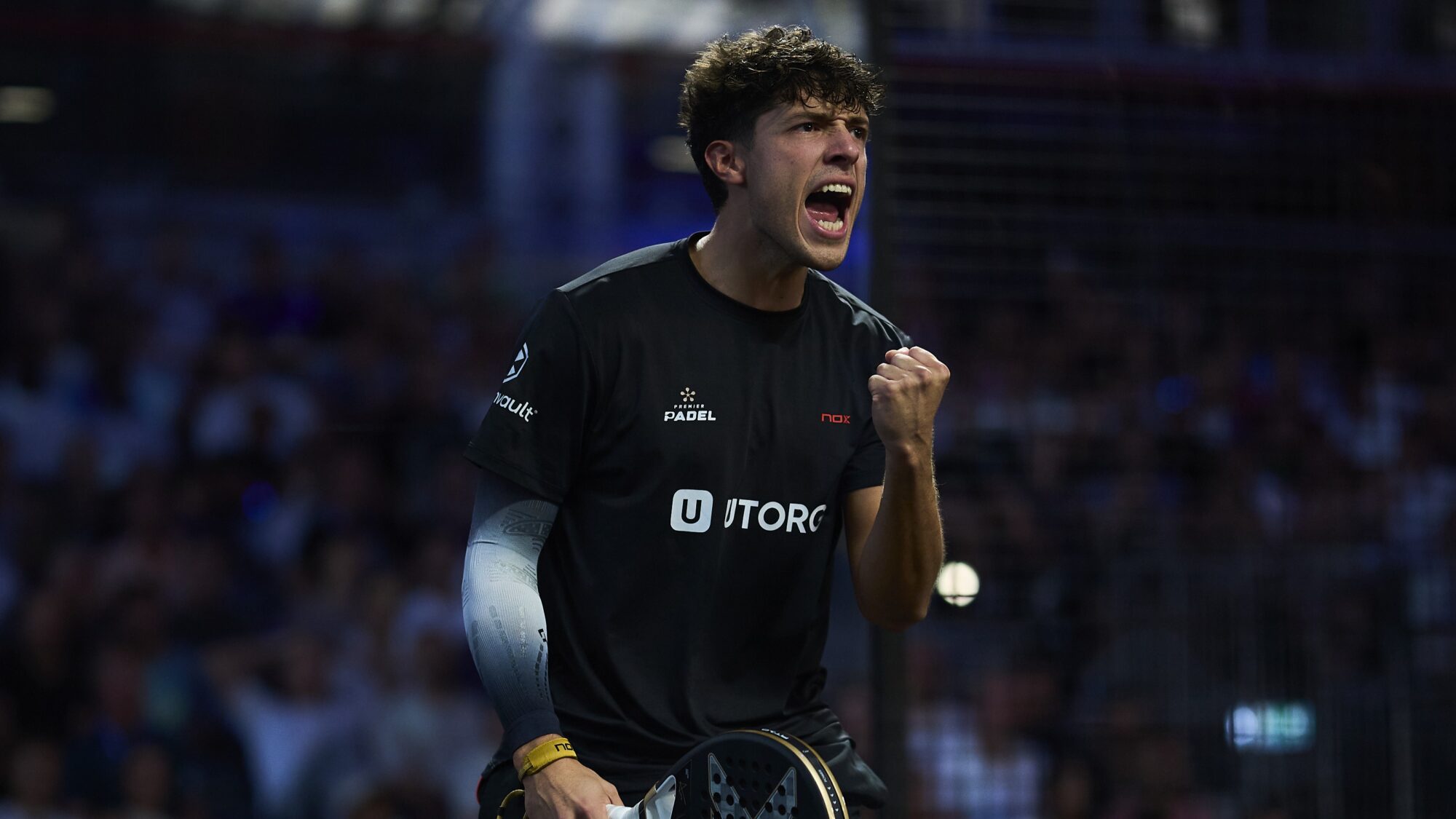 Tapia reveals his recipe for beating Coello / Tapia: "I would bet everything on myself"
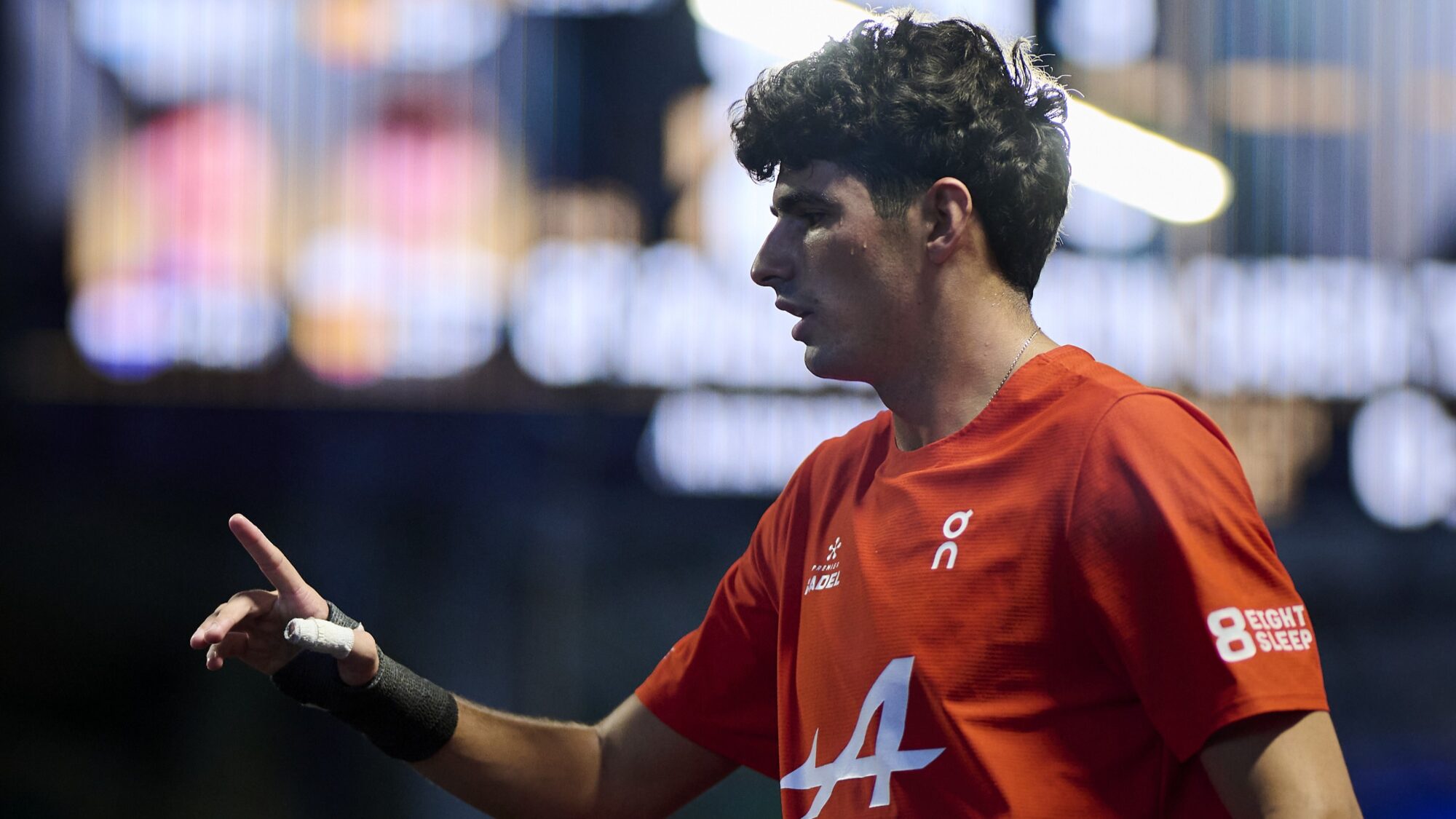 How Coello defused Chingotto's game plan
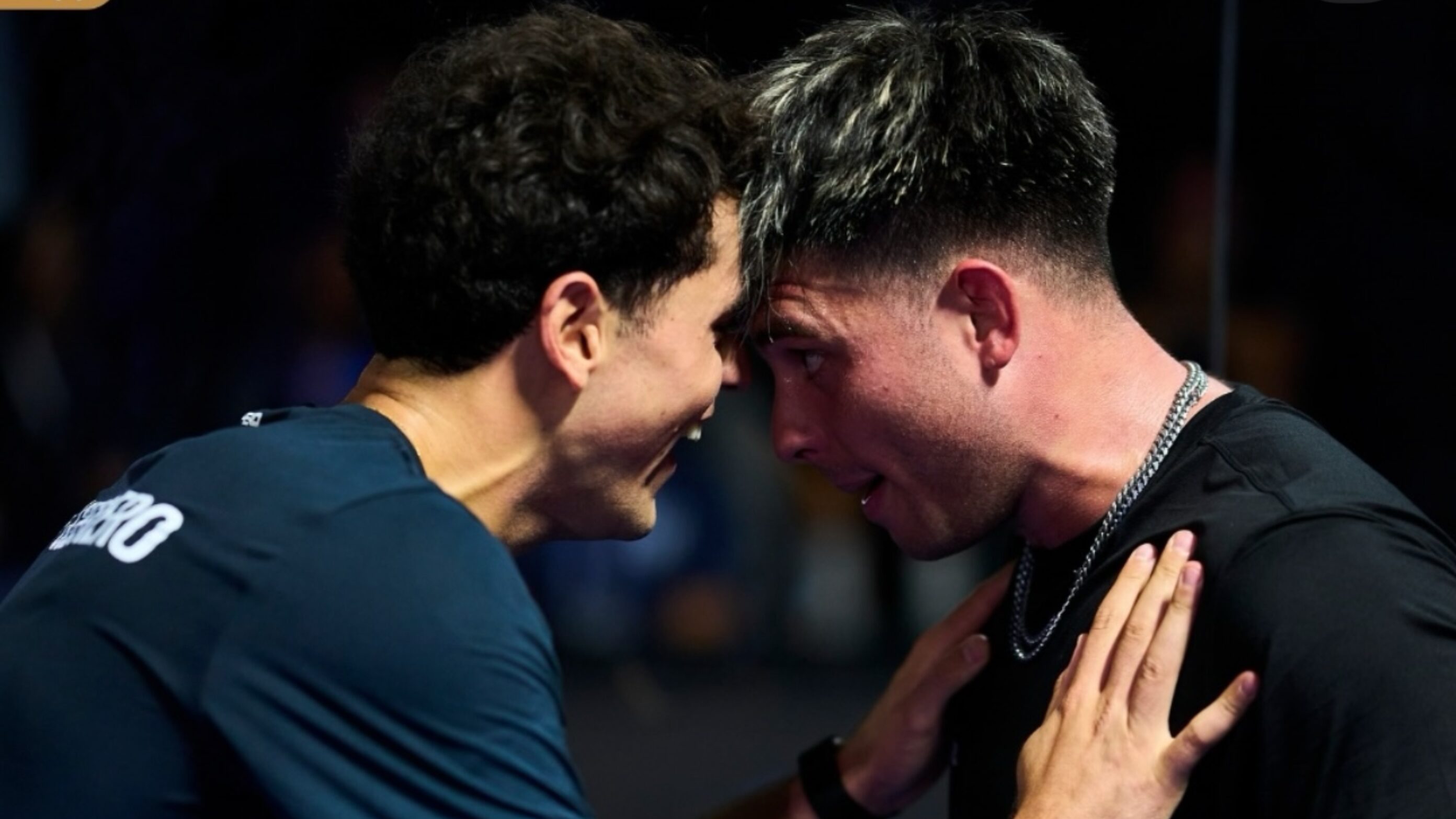 In padel, does the chemistry between a pair count as much as individual skill?
 Summer changes padel… but what if the real challenge wasn't hitting harder?
 Neither FIP Tour nor World Team Championship: the unique format of padel at the Mediterranean Games
 Premier Padel : when television can lengthen players' breaks
 Premier Padel Yes, a referee can refuse a player permission to go to the toilet
 Julien Seurin opens up about his mental state: "There are far more doubts than moments of happiness."
 More than a year later, Thomas Leygue is back in the top 150: behind the scenes of a comeback that's still unfinished
 Padel vs squash vs badminton: the scientific ranking of cardio intensity
 Why does Arturo Coello play with his right hand bandaged?
 What if your progress in padel depended on what nobody else is looking at?